
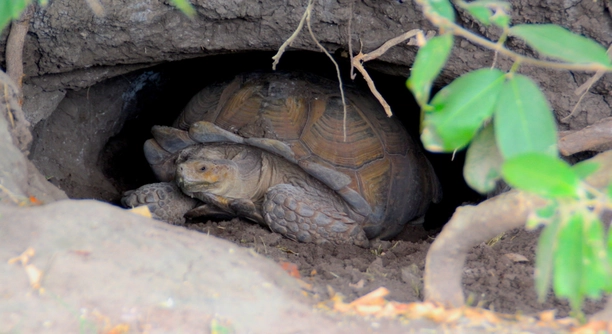
Is your Sulcata tortoise struggling with the heat? These large tortoises thrive in warm climates, but extreme temperatures can put them at risk. Keeping them cool is essential for their well-being, especially during hot summer months.
The best way to keep a Sulcata tortoise cool in hot weather is by providing shaded areas, using water sources like shallow pools, misting their enclosure, and ensuring proper ventilation. These methods help prevent overheating and keep your tortoise comfortable.
From offering the right shelter to using cooling techniques, there are several ways to protect your tortoise from extreme heat. Let’s explore the most effective ways to keep them safe and comfortable.
Provide Plenty of Shade
Creating shaded areas is important for keeping your Sulcata tortoise cool. Direct sunlight can quickly overheat them, so offering natural or artificial shade is essential. Trees, bushes, or large rocks can provide natural shade, while shelters like wooden hides or tortoise houses offer extra protection. Make sure the shaded area is spacious enough for your tortoise to move around comfortably. A well-ventilated shelter with good airflow is ideal. If you use tarps or shade cloth, ensure they are securely placed and allow some airflow. A cool, shaded spot will help your tortoise regulate its body temperature.
A shaded area alone is not always enough in extreme heat. It is best to combine shade with other cooling methods to ensure your tortoise stays comfortable. Monitor the temperature in shaded spots throughout the day to make sure they remain cool.
Shade is one of the simplest ways to protect your tortoise from overheating. Pairing it with water sources and proper ventilation will keep them even more comfortable.
Provide a Shallow Water Source
A shallow water dish helps your tortoise stay cool. They may soak in it to lower their body temperature, so the water should be easy to access and large enough for them to fit.
Change the water frequently to keep it fresh and clean. Shallow pools or large trays work well, as long as the sides are low enough for your tortoise to climb in and out safely. If your tortoise is not using the water dish, try placing it in a shaded area to keep the water cooler. You can also lightly mist the area around it to create a slightly cooler environment. Avoid deep water sources, as Sulcata tortoises are not good swimmers and can struggle if they cannot touch the bottom.
Water is a simple but effective way to help regulate your tortoise’s temperature. It also encourages hydration, which is essential for their overall health. Keeping a clean, accessible water source available at all times will ensure they stay comfortable during hot weather.
Mist the Enclosure
Misting the enclosure helps lower the temperature and provides relief from the heat. Lightly spray the ground, walls, and shaded areas to create a cooler environment. Avoid overwatering, as excessive moisture can lead to mold or an overly damp habitat.
Mist the enclosure during the hottest parts of the day, especially in dry climates. Focus on shaded areas where your tortoise spends most of its time. A fine misting nozzle works best for even coverage. You can also dampen the soil to create a cool surface for your tortoise to rest on. If using a sprinkler, ensure it provides a gentle spray rather than heavy droplets. Misting is most effective when combined with proper ventilation to prevent excessive humidity.
Keeping the enclosure slightly damp without making it too wet helps your tortoise regulate its body temperature. Monitor the humidity levels to avoid creating an environment that is too moist. A balanced approach will keep your tortoise comfortable without causing other issues.
Improve Ventilation
Good airflow keeps the enclosure from trapping heat. A well-ventilated space allows hot air to escape, preventing excessive warmth. If your tortoise is in a closed structure, adding vents or keeping openings uncovered helps maintain a cooler temperature.
If your tortoise lives in an outdoor enclosure, ensure there is enough airflow while still providing shade. A mesh-covered top allows ventilation while keeping predators out. If using a wooden or enclosed shelter, adding small openings near the top helps release trapped heat. Position the enclosure where natural breezes can flow through. If needed, a small, battery-powered fan can help improve airflow on extremely hot days.
Avoid placing the enclosure against solid walls or in areas with no airflow. Trapped heat can quickly raise temperatures, making it uncomfortable for your tortoise. Proper ventilation, combined with shade and water sources, will help create a cooler and safer environment.
Use Cool, Damp Substrate
Dampening the substrate helps create a cooler surface for your tortoise to rest on. Lightly moisten soil or coconut coir in shaded areas to provide relief from the heat. Avoid making it too wet, as excessive moisture can cause health issues.
Refreshing the substrate throughout the day keeps it cool. Sprinkling water in the morning and afternoon helps maintain a comfortable temperature. Choose materials that retain moisture without becoming muddy, such as topsoil or cypress mulch. This method works best when combined with shade and ventilation.
Offer Underground Burrows
Burrows provide a natural escape from the heat by offering a cooler, insulated space. Digging a small trench or providing a pre-made burrow allows your tortoise to regulate its body temperature. Make sure the burrow is deep enough to stay cool but not at risk of collapsing.
Avoid Overfeeding During Extreme Heat
Large meals generate body heat during digestion, making it harder for your tortoise to stay cool. Offer smaller portions of hydrating foods, such as lettuce or cucumber, to help with hydration while reducing the risk of overheating.
FAQ
How hot is too hot for a Sulcata tortoise?
Sulcata tortoises are native to hot, arid climates and can tolerate temperatures up to 95°F (35°C), but prolonged exposure to higher temperatures can cause stress or overheating. Temperatures above 100°F (38°C) can be dangerous, especially if they don’t have enough shade or water. It’s important to monitor your tortoise closely and provide cooling solutions when the weather gets too hot.
What should I do if my Sulcata tortoise gets too hot?
If you notice your tortoise is showing signs of heat stress, such as excessive panting, lethargy, or shallow breathing, it’s essential to cool them down quickly. Move them to a shaded, cool area with access to fresh water. You can also gently mist them with water to help lower their body temperature. If symptoms persist, contact a vet for advice.
Can I keep my Sulcata tortoise outside in hot weather?
Yes, Sulcata tortoises can live outdoors in hot weather as long as they have access to shade, water, and a well-ventilated enclosure. It’s crucial to provide protection from the sun and create an environment where they can cool down when necessary. If you live in an area with extreme temperatures, make sure their shelter is secure and offers a cool refuge during the hottest parts of the day.
How often should I mist my Sulcata tortoise’s enclosure?
You should mist the enclosure once or twice a day, depending on the temperature and humidity levels. Misting during the hottest parts of the day can help cool the environment, but avoid over-wetting the enclosure. Aim for a light mist to avoid creating a humid environment that could lead to respiratory issues.
Can I use ice to cool my Sulcata tortoise down?
Using ice directly on your tortoise is not recommended, as it could cause shock to their system. However, you can use a cool, damp cloth or place a shallow water dish filled with cool water in their enclosure. The cooling effect from the water will help lower their body temperature without causing harm.
How can I tell if my Sulcata tortoise is overheated?
Signs of an overheated Sulcata tortoise include rapid breathing, lethargy, droopy eyes, and excessive panting. If you observe any of these signs, move your tortoise to a cooler area and offer water. Pay attention to how they react to heat and make adjustments to their environment if needed.
Should I feed my Sulcata tortoise in hot weather?
Feeding your tortoise in hot weather is okay, but large meals should be avoided. Smaller, lighter meals are better during the heat to prevent digestion from adding to the body’s heat load. Offer hydrating foods like leafy greens or cucumbers. Make sure your tortoise has access to water at all times.
Is it okay to let my Sulcata tortoise roam in the yard during hot weather?
If your yard is properly shaded and has plenty of cool areas, your tortoise can safely roam. Make sure they always have access to fresh water and a shaded area to retreat to when they get too warm. Supervision is important to ensure they do not overheat.
How do I provide better ventilation for my Sulcata tortoise’s enclosure?
You can improve ventilation by adding vents or mesh openings to the sides and top of the enclosure. This will allow air to flow through while keeping predators out. For outdoor enclosures, make sure there is enough airflow while still providing sufficient shade. A small battery-powered fan can help in very hot conditions, but it’s important to monitor your tortoise closely.
Can I use a fan to cool my Sulcata tortoise down?
A fan can help with ventilation, but it should not be used as the main cooling method. It is best used in conjunction with shade, water, and damp substrate to promote airflow. If using a fan, ensure the air is not blowing directly onto your tortoise, as it can dry them out or cause discomfort.
Taking care of a Sulcata tortoise during hot weather requires a few simple steps to ensure their well-being. These tortoises are used to warm climates, but extreme heat can still be harmful if not managed properly. Providing enough shade, water, and ventilation can go a long way in keeping them cool and comfortable. Make sure they have a safe, cool place to retreat when the temperatures rise and that their water is always fresh for hydration.
It’s also essential to monitor your tortoise regularly during the hotter months. Keep an eye out for signs of heat stress, such as excessive panting or lethargy, which could indicate that they are struggling with the heat. If this happens, immediately move them to a cooler area and provide fresh water. Keep in mind that their environment should be designed in a way that allows them to cool down naturally. Proper shelter, moisture, and airflow should be priorities to maintain a healthy environment for them.
Lastly, remember that small adjustments can make a big difference in your tortoise’s comfort. Even though they can handle warm temperatures, their health and safety are in your hands when it comes to extreme heat. By staying on top of their needs, you ensure they can enjoy the sunny weather without the risks of overheating. Regular care and attention will keep your Sulcata tortoise safe, happy, and healthy throughout the year.

Hello,
If you enjoy the content that we create, please consider saying a "Thank You!" by leaving a tip.
Every little bit helps us continue crafting quality advice that supports the health, happiness, and well-being of pets around the world, for pets of all shapes, sizes, and species.
We really appreciate the kindness and support that you show us!