
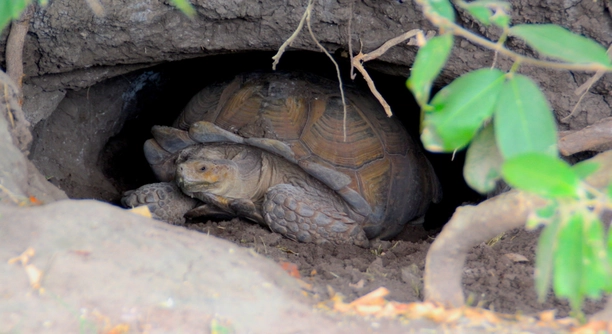
Moving a large sulcata tortoise requires careful planning and the right approach. These tortoises can grow quite heavy and large, so transporting them safely is important for both their well-being and yours.
To safely move a large sulcata tortoise, gently lift and support its body, ensuring you never pick it up by the shell. Using a flat, secure surface such as a board can help in keeping the tortoise stable during transport.
There are several essential tips to make the process smoother and safer. Knowing the best methods for moving, transporting, and handling your sulcata tortoise can ensure it remains comfortable and secure.
Preparing for the Move
Before moving your sulcata tortoise, it’s important to plan ahead. These tortoises can weigh a lot, especially as they grow, making them harder to move. Assess the area you’re transporting them to, ensuring it’s safe, clean, and free from any hazards. Have everything ready before you lift them. It’s best to make sure that the route is clear of any obstacles or changes in surface that might make it harder for them to be moved.
Make sure you’re wearing comfortable clothing and sturdy shoes. A stable grip is essential when lifting the tortoise, as sudden movements or drops can cause injury. If the tortoise is particularly large, you may need extra help for the task.
It’s best to have the necessary equipment on hand. A flat board or a piece of plywood will help distribute the tortoise’s weight evenly, reducing stress on its body. Ensure the surface is smooth to prevent the tortoise from getting injured. Use soft cloths or towels if needed for extra comfort.
Lifting the Tortoise
When lifting a sulcata tortoise, support both sides of its body. Never pick it up by its shell, as this can cause significant injury. Carefully place one hand underneath the tortoise’s front legs and the other under its rear. Keeping your arms close to your body will give you better control.
If the tortoise is large, try to get assistance. It’s much safer to have two people lift the tortoise slowly, making sure not to strain its body or yours. Also, avoid lifting for too long; moving in short intervals can help minimize strain.
Once lifted, move slowly and carefully. Remember that tortoises are slow-moving creatures, and any sudden shifts or drops could harm them. Ensure that the destination is clear and ready to receive the tortoise so that the transition is as smooth as possible.
Securing the Tortoise for Transport
When transporting a sulcata tortoise, ensure it is securely placed in a safe container. A large, sturdy box or plastic crate can work well. The key is to prevent the tortoise from moving around too much, which could cause it to become stressed or injured.
Place some soft bedding like towels or blankets inside the container to provide cushioning and comfort. Avoid anything too soft, as the tortoise may sink into it, which could be uncomfortable for its limbs. Ensure the container has enough space for the tortoise to stretch slightly but not so much that it could shift uncontrollably during the move.
If you’re traveling by car, make sure the container is secure and will not tip over during transit. It’s important to keep the tortoise stable, so it doesn’t experience any sudden movements. Some people even secure the box with seat belts for extra safety.
Keeping the Tortoise Comfortable During the Move
Temperature is crucial for your sulcata tortoise’s comfort. These tortoises are native to warm climates, so keep the temperature in mind while moving them. Avoid placing them in cold environments, as sudden temperature drops can cause stress.
During transport, try to maintain a warm, stable temperature inside the car or wherever you’re traveling. If it’s a long move, consider using a heat pack (not too hot) to help keep the tortoise comfortable. A good temperature range would be between 75°F and 85°F, as this mimics their natural habitat.
If the tortoise becomes too cold, it could slow down, become lethargic, or even experience health problems. It’s best to check on it occasionally during the trip and adjust the environment if needed. The more comfortable the tortoise is, the less stress it will endure during the move.
Using a Suitable Vehicle for Transport
If you’re driving, make sure the vehicle is spacious enough to keep the tortoise secure without feeling cramped. It should also be a stable, non-slippery surface to reduce movement. Ideally, use a vehicle with a flat cargo area or backseat where the tortoise’s container can be placed.
Avoid using a vehicle with high vibrations or constant jerking. This could stress the tortoise or even lead to injury. Keep the ride smooth by driving slowly and avoiding abrupt turns or stops. Ensure the container stays upright and doesn’t shift around.
Minimizing Stress During the Move
A calm environment is essential for reducing stress. Try to avoid loud noises or sudden movements while transporting the tortoise. Sudden sounds or jerks can be alarming for the tortoise and increase its stress levels. Keep the atmosphere as quiet as possible.
If you’re moving for a long distance, consider playing calming music at a low volume. This can help to block out external noises and create a more peaceful experience for your tortoise. The quieter and more controlled the environment, the easier the move will be for your tortoise.
FAQ
How do I know if my sulcata tortoise is too stressed during transport?
Look for signs like excessive breathing, drooping head, or closed eyes. If the tortoise is trying to hide inside its shell or appears to be lethargic, it might be stressed. Stress can also cause unusual movements, like trying to climb or push against the sides of its container. Keep the environment calm, and if the tortoise seems too uncomfortable, stop and check its condition. Allowing the tortoise to rest and adjusting the temperature can help alleviate stress.
Can I move a sulcata tortoise by myself, or do I need help?
It depends on the size of the tortoise. If it’s small, you can likely move it alone. However, for larger sulcatas, it’s best to have an extra person to help lift and support the tortoise evenly. This reduces the risk of dropping it or injuring yourself or the tortoise. Always ensure both of you have a stable grip on the tortoise to minimize the chances of sudden movements.
Is it safe to move a sulcata tortoise long distances?
Yes, it is safe to move a sulcata tortoise long distances, as long as proper precautions are taken. Ensure the tortoise is secure and comfortable, and maintain a temperature within the recommended range. Take breaks if necessary and avoid jarring movements. If you’re traveling by car, make sure the vehicle is stable and that the tortoise’s container stays upright throughout the journey. Sudden temperature drops or long periods of stress should be avoided during the trip.
How can I prevent my tortoise from getting injured during the move?
To prevent injury, never pick up the tortoise by its shell. Always support both sides of its body to avoid causing any strain. Using a sturdy container that keeps the tortoise stable during transport is also key. Ensure the container has soft bedding for cushioning but not too much that it could be unsafe. Drive cautiously and avoid any jerking motions that might upset the tortoise or cause it to fall.
What should I do if my tortoise becomes overheated during transport?
If the tortoise starts to overheat, move it to a cooler, shaded area immediately. Make sure the vehicle is properly ventilated, and lower the temperature if possible. Overheating can lead to heatstroke, which is dangerous for the tortoise. It’s essential to monitor the temperature closely and adjust as needed. A small, damp cloth placed near the tortoise can also help to cool it down.
How long should I travel with my sulcata tortoise in one trip?
It’s best not to travel for too long without a break, especially on longer trips. If the journey lasts more than a few hours, consider stopping to check on your tortoise, allowing it to rest, and adjusting the temperature as necessary. Long, uninterrupted trips can lead to stress, dehydration, or overheating. Always ensure that the tortoise remains calm and comfortable throughout the move.
Can I use a regular pet carrier for moving my sulcata tortoise?
A regular pet carrier might work for smaller tortoises, but for larger sulcatas, you may need a larger container to accommodate their size. The carrier should be sturdy enough to support their weight without collapsing or shifting. Ensure the container has enough space for the tortoise to move around slightly but not enough to cause instability during transport. Always use soft bedding to cushion them.
What temperature should the environment be during transport?
The ideal temperature for a sulcata tortoise during transport is between 75°F and 85°F. These temperatures mimic their natural environment and help prevent stress or health issues. Avoid temperatures that are too cold, as sulcatas are sensitive to chilly conditions. If you’re moving in hot weather, be mindful of overheating; in cold weather, use heat packs cautiously to maintain warmth.
Can I leave food and water with my tortoise during transport?
It’s usually not necessary to provide food or water during short trips. A large sulcata tortoise may not need food during the journey, especially if it’s only a few hours. However, for longer trips, it’s a good idea to offer water. Make sure it’s in a spill-proof container so the tortoise doesn’t have to move too much to drink. Avoid offering food unless it’s a particularly long trip or the tortoise shows signs of hunger or thirst.
How should I handle my sulcata tortoise after the move?
After the move, gently place the tortoise in its new habitat and allow it to adjust. Avoid handling it too much during the first few hours, as it may still be stressed from the journey. Provide a quiet, comfortable space for the tortoise to settle in. Ensure that the habitat has the right temperature, lighting, and humidity levels to help the tortoise acclimate. Give it time to explore and get used to the new surroundings before handling again.
Final Thoughts
Moving a large sulcata tortoise can be a challenge, but with the right approach, it can be done safely and smoothly. These tortoises are strong and resilient, but they still need careful handling to ensure their safety and comfort during the move. Planning ahead, gathering the proper equipment, and maintaining a calm, controlled environment will help reduce stress for both you and your tortoise.
One of the most important things to remember is that the tortoise’s well-being should always be your top priority. This means making sure that the move is as gentle and steady as possible, with minimal risk of injury. Whether you’re lifting your tortoise yourself or getting help, always make sure to support its body evenly. Never lift it by the shell, as this can cause harm. Also, think about the temperature, as sulcata tortoises thrive in warmer environments. Keeping the right temperature during the move will make a big difference in how comfortable and safe the journey is for your tortoise.
Lastly, don’t forget that after the move, your tortoise will need time to adjust to its new surroundings. Ensure that the new space is set up properly and that it is free from dangers. Give the tortoise space and time to acclimate, and avoid handling it too much right after the move. With patience and attention to detail, you’ll help your sulcata tortoise settle into its new home without any issues.

Hello,
If you enjoy the content that we create, please consider saying a "Thank You!" by leaving a tip.
Every little bit helps us continue crafting quality advice that supports the health, happiness, and well-being of pets around the world, for pets of all shapes, sizes, and species.
We really appreciate the kindness and support that you show us!