
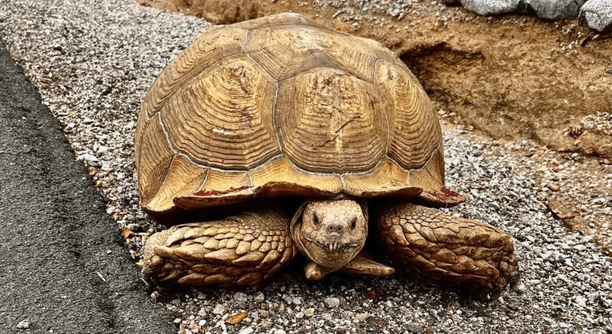
Sulcata tortoises, also known as African spurred tortoises, are known for their large size and long lifespan. As a pet owner, ensuring they are mentally and physically stimulated is essential for their well-being and happiness.
Keeping a Sulcata tortoise entertained can be achieved by offering a variety of enriching activities. Providing access to different spaces, hiding food, and introducing stimulating toys will keep them active, healthy, and engaged, reducing stress and boredom.
Offering your Sulcata tortoise the right entertainment can improve its quality of life. Let’s explore ways to keep your tortoise engaged and happy.
Create a Spacious Habitat
Sulcata tortoises thrive when they have room to roam. A spacious environment not only allows them to explore but also helps them stay active. If they are confined to a small area, they can become stressed and bored. Providing them with enough space to move around freely is essential for keeping them mentally and physically stimulated. A large, secure outdoor enclosure with plenty of grass, rocks, and hiding spots will encourage them to explore.
A larger space means more opportunities for your tortoise to engage in natural behaviors like foraging and digging. These activities keep them entertained and active, which is important for their overall health.
Setting up the right environment can also help with exercise. Adding varied terrain, like gentle slopes or logs to climb, will challenge your tortoise and prevent them from becoming stagnant. Ensure there are safe, shaded areas for them to retreat from the sun, as well as plenty of water for hydration. With a spacious habitat, your Sulcata tortoise will feel comfortable and content while having the space to explore.
Introduce Treats to Encourage Foraging
Foraging is a natural behavior for Sulcata tortoises.
Providing food in different places around their enclosure encourages this instinct and offers mental stimulation. Hiding treats such as leafy greens or small pieces of fruit will give your tortoise something to search for. They enjoy the challenge of finding their food.
Add Climbing Structures
Climbing encourages physical activity and helps build strength. Your Sulcata tortoise will benefit from having logs, rocks, or ramps to climb. These structures mimic natural habitats, offering opportunities for your tortoise to exercise and explore its surroundings.
Climbing not only keeps your tortoise active, but it also provides a sense of accomplishment. Tortoises are naturally curious and enjoy the challenge of navigating different surfaces. It helps them develop coordination and balance. These structures also give your tortoise new places to hide, adding variety to its habitat.
For best results, ensure the climbing structures are stable and safe. Avoid sharp edges or anything that might cause harm. Keep the climbable surfaces low enough to avoid injury but high enough to engage your tortoise’s curiosity. This will help keep them entertained and physically fit.
Provide a Variety of Textures
Varied textures in your tortoise’s environment offer both physical and mental stimulation. Rocks, sand, and soft grasses provide different surfaces to walk on, preventing boredom.
Sulcata tortoises enjoy exploring different textures, so adding a mix of these surfaces to their enclosure can encourage them to move around more. Textures also simulate natural environments, keeping your tortoise comfortable. It can enhance its sensory experience, as different materials feel different to walk on or dig through.
Adding rocks and dirt in different areas can create new challenges for your tortoise. A combination of rough and smooth surfaces mimics their natural habitat and allows for more engaging exploration. This helps keep them interested in their environment.
Use Digging Areas
Digging is another natural behavior for Sulcata tortoises. They enjoy burrowing to find food or create a comfortable spot. A designated digging area in their habitat can keep them entertained for hours.
A simple digging pit filled with soil or sand will let them indulge in this instinct. It’s a great way to engage them while also providing a healthy outlet for energy. Tortoises are less likely to get bored when they can dig freely.
Make sure the digging area is spacious enough for them to fully engage. It should also be easy to clean to maintain hygiene and comfort.
Rotate Toys and Enrichment Items
Introducing new toys or enrichment items regularly can prevent boredom.
Tortoises appreciate variety, so rotating their toys or hiding new objects in their enclosure offers novelty. This keeps their minds active and curious.
Items like cardboard boxes, small logs, or puzzle feeders work well. Rotating them will keep your tortoise interested without overwhelming them with too many options at once.
FAQ
How much space does a Sulcata tortoise need?
Sulcata tortoises need a lot of space due to their size. For an adult tortoise, at least 100 square feet is recommended for outdoor enclosures. The more room they have to roam and explore, the better. If you are keeping them indoors, you should aim for a large, secure space. Providing extra room for climbing structures, hideaways, and varied terrain will improve their quality of life.
Can I house multiple Sulcata tortoises together?
It’s possible to house multiple Sulcata tortoises, but it requires careful consideration. They can be territorial and might fight if they feel crowded. It’s best to keep them in separate enclosures unless you have a large outdoor space that allows them to have their own territory. If housing them together, make sure there are enough hiding spots and room for each tortoise to have its space.
What kind of food do Sulcata tortoises eat?
Sulcata tortoises are herbivores. Their diet should consist mainly of grasses, weeds, and leafy greens. Avoid giving them high-protein foods like animal products, as this can cause health problems. Offer them a variety of plants like dandelions, clover, and hibiscus. You can also supplement their diet with small amounts of vegetables like squash and carrots.
How do I keep my Sulcata tortoise healthy?
To keep your Sulcata tortoise healthy, provide a proper diet and ensure they have ample space to move around. Regular access to UVB lighting and a proper temperature gradient is necessary for their well-being. Additionally, keeping their habitat clean and offering them opportunities to exercise will reduce stress and improve their overall health. Regular vet check-ups are also important to catch any potential issues early.
Can Sulcata tortoises swim?
Sulcata tortoises are not strong swimmers. While they may enjoy wading through shallow water, it’s important not to force them into deep water as they can drown. They are land-dwelling creatures and are better suited to dry, warm environments. Providing them with a shallow water dish for drinking and soaking is sufficient.
How do I create a proper enclosure for a Sulcata tortoise?
Creating a proper enclosure involves ensuring there’s enough space, safety, and proper temperature. For an outdoor setup, use a secure, fenced area with plenty of grasses, rocks, and places to hide. Indoors, you’ll need a large enclosure with a heat lamp to provide warmth, along with UVB lighting to help them metabolize calcium. Make sure to provide a mix of smooth and rough surfaces for them to walk on, mimicking their natural environment.
What kind of bedding should I use for my Sulcata tortoise?
Avoid using pine or cedar shavings, as these can be harmful to tortoises. Instead, use safe bedding options like coconut coir, grass hay, or newspaper. You can also use a mix of sand and soil for outdoor enclosures to allow for digging and burrowing. Ensure that the bedding is clean and dry to prevent any health issues.
How often should I feed my Sulcata tortoise?
You should feed your Sulcata tortoise daily. Provide a variety of fresh greens and grasses, allowing them to graze as they would in the wild. Offer food in the morning and remove any uneaten portions to keep the habitat clean. You can also add fresh water every day and occasionally offer safe, edible flowers for variety.
How do I handle a Sulcata tortoise?
Sulcata tortoises are generally not very fond of being handled too often, as it can cause stress. When handling them, be gentle and supportive, picking them up by the sides of their shell, never by their legs. Limit handling to short sessions and only when necessary. This helps them feel safe and secure.
What temperature does a Sulcata tortoise need?
Sulcata tortoises require a temperature range of 85-95°F during the day, with a basking area that reaches 100°F. At night, the temperature can drop to 70°F, but make sure the enclosure is never too cold. Using a heat lamp and providing a temperature gradient will allow them to regulate their body temperature.
What are the signs of illness in a Sulcata tortoise?
Signs of illness in a Sulcata tortoise include lethargy, loss of appetite, watery eyes, shell deformities, or irregular breathing. If your tortoise shows any of these symptoms, it’s important to take them to a vet for a proper diagnosis. Early intervention can prevent more serious health issues.
How do I keep my Sulcata tortoise entertained?
Providing a variety of enrichment is key to keeping your tortoise entertained. Set up climbing structures, hide food for them to forage, and rotate toys to keep things fresh. Digging areas and varied textures in their environment will also encourage them to stay active and engaged. Regularly changing their setup helps maintain their curiosity.
Can Sulcata tortoises live indoors?
Yes, Sulcata tortoises can live indoors, but they need a large, secure enclosure with proper lighting and heating. You’ll need to provide UVB lighting for them to synthesize vitamin D3 and a heat source to regulate their temperature. Indoor living should be temporary for larger tortoises, as they require ample outdoor space as they grow.
Final Thoughts
Keeping a Sulcata tortoise as a pet requires dedication and effort, but it can be a rewarding experience. These tortoises need a lot of space to roam and explore, as they are naturally active creatures. Providing them with an environment that mimics their natural habitat, such as an outdoor enclosure with plenty of room, is crucial for their well-being. With the right setup, your tortoise will have the freedom to engage in behaviors like foraging and digging, which are essential for keeping them mentally and physically healthy.
In addition to a spacious habitat, Sulcata tortoises require a proper diet and the right temperature conditions. They are herbivores, so a variety of leafy greens, grasses, and edible plants should make up their meals. Regular access to clean water and the occasional edible flower will also keep them happy. Temperature management is important too. Sulcata tortoises need a warm environment with a basking spot, as well as access to a cooler area. It’s essential to keep their enclosure at the right temperature to help with digestion and overall health.
Lastly, providing enrichment is key to ensuring that your Sulcata tortoise remains entertained and active. Introducing climbing structures, hiding food, and offering new textures in their habitat will keep them curious and engaged. Regularly rotating toys or enrichment items will prevent boredom and ensure your tortoise stays mentally stimulated. If you take the time to create the right environment and offer consistent care, your Sulcata tortoise can thrive and live a long, healthy life as a beloved companion.

Hello,
If you enjoy the content that we create, please consider saying a "Thank You!" by leaving a tip.
Every little bit helps us continue crafting quality advice that supports the health, happiness, and well-being of pets around the world, for pets of all shapes, sizes, and species.
We really appreciate the kindness and support that you show us!