
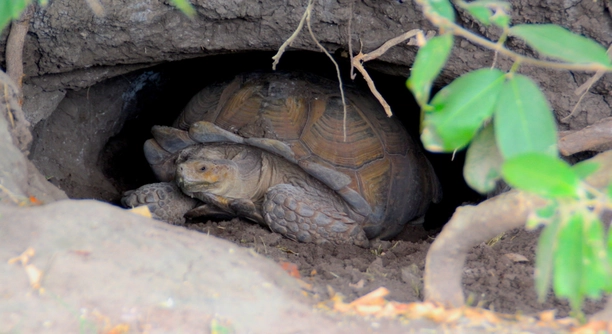
Sulcata tortoises are fascinating creatures, known for their large size and unique behavior. However, when they breathe with their mouth open, it can raise concerns for their health. Understanding why this happens is important for their well-being.
Mouth-breathing in sulcata tortoises can indicate respiratory issues, such as an infection or environmental stress. Factors like improper humidity, temperature, or poor ventilation in their habitat may contribute to these problems, requiring attention and care.
Addressing these issues is key to ensuring your tortoise’s health. By exploring the causes and solutions, you can create a better environment for your pet’s comfort and longevity.
Causes of Mouth Breathing in Sulcata Tortoises
When your sulcata tortoise breathes with its mouth open, it may be an indication that something is wrong with its environment or health. Typically, these tortoises are slow-moving and breathe through their nose. However, if their breathing patterns change, it is essential to investigate. Several factors can cause mouth-breathing, from respiratory infections to improper living conditions. These creatures require specific temperature and humidity levels in their enclosures. If the air is too dry or too warm, it can irritate their respiratory system, leading to open-mouth breathing.
Changes in temperature and humidity are often the most common reason behind this issue. The ideal humidity level for a sulcata tortoise should be between 30-50%, while the temperature in their habitat should range from 85°F to 90°F during the day. If these conditions are not met, it can result in stress, making it harder for them to breathe normally.
If your tortoise is showing signs of mouth-breathing, check the environment first. Adjust the enclosure’s humidity and temperature, and ensure proper airflow. Clean the habitat regularly to avoid bacteria build-up. A proper environment helps prevent respiratory stress and keeps your tortoise comfortable.
How to Fix Mouth Breathing
Improper care or changes in the environment can cause stress to sulcata tortoises. It’s crucial to monitor both their living conditions and health closely. Start by ensuring the temperature is right and humidity is at an optimal level.
If you notice the breathing continues despite environmental adjustments, it may be time to consult a veterinarian. Respiratory infections, for example, are not uncommon in tortoises, and these conditions may require medication. Early intervention can ensure the health of your pet and prevent further complications.
Identifying Respiratory Infections
Respiratory infections in sulcata tortoises are common and can cause mouth breathing. Infections typically result from bacteria or viruses that affect the tortoise’s airways. Symptoms include mucus discharge, lethargy, and difficulty moving around. These infections are more likely in poorly maintained enclosures, where humidity and temperature are inconsistent.
The symptoms of a respiratory infection may worsen if left untreated. If you notice mucus around your tortoise’s nose or mouth or if it seems to struggle with regular breathing, it’s time to take action. A vet’s diagnosis is key to determining whether the issue is bacterial or viral. Early treatment is essential for a swift recovery and to avoid long-term damage. In some cases, antibiotics or other medications may be prescribed to help your tortoise heal.
Keeping an eye on your tortoise’s behavior and appearance will help you detect these signs early. If any of these symptoms occur, do not wait. Seek professional help immediately to ensure your tortoise receives the necessary treatment for full recovery.
Temperature and Humidity Management
Maintaining the right temperature and humidity is crucial to your sulcata tortoise’s health. If their environment is too cold or too dry, they may start breathing through their mouth to compensate for the discomfort. Regular monitoring of these levels is essential to prevent respiratory stress.
To avoid issues, place thermometers and hygrometers in the enclosure to track temperature and humidity accurately. Sulcata tortoises need a temperature of around 85-90°F during the day and 70-75°F at night. Ensure humidity is kept between 30-50% to mimic their natural desert habitat. These conditions reduce the risk of respiratory problems and promote overall well-being. Make adjustments as needed and provide a basking area where they can absorb heat.
It’s also important to keep the enclosure clean. A dirty environment can harbor bacteria and irritate your tortoise’s respiratory system. Regular cleaning and changing of bedding will help maintain a healthier habitat. Proper environmental control will ensure your tortoise stays comfortable and safe.
Stress and Its Impact
Stress can affect sulcata tortoises in many ways, including causing them to breathe with their mouth open. When they feel threatened, it can trigger a stress response. Environmental stressors like loud noises, frequent handling, or too many visitors can all contribute to this.
Providing a stable, quiet environment is important for your tortoise’s health. Keeping their habitat calm and free of disturbances will reduce stress and prevent abnormal breathing patterns. Avoiding unnecessary handling and giving them time to adjust to new surroundings will help keep their stress levels low.
The Role of Diet
Diet plays a significant role in your sulcata tortoise’s overall health. Poor nutrition can weaken their immune system, making them more susceptible to respiratory infections. A balanced diet rich in fiber and low in protein is ideal for these herbivores. Regular access to fresh, fibrous plants will help them maintain a strong immune system.
Offering a variety of grasses, hay, and leafy vegetables is essential for their health. Avoid feeding them high-protein foods, as this can cause digestive issues and even affect their respiration. A proper diet will keep your tortoise in good condition and reduce health risks.
Vet Visits and Checkups
Routine vet visits are important for monitoring the health of your sulcata tortoise. These checkups help catch any underlying health issues early, including respiratory infections. Regular vet visits can also ensure your tortoise’s environment is suitable for their needs.
FAQ
Why is my sulcata tortoise breathing through its mouth?
Mouth breathing in sulcata tortoises is usually a sign of an underlying issue. It could indicate stress, poor environmental conditions, or a respiratory infection. Ensure that the temperature and humidity in their enclosure are appropriate. If the problem persists, a vet check-up is recommended.
Can stress cause mouth breathing in sulcata tortoises?
Yes, stress can lead to mouth breathing. Sudden changes in their environment, too much handling, or loud noises can trigger a stress response. To reduce stress, provide a calm and stable environment with minimal disturbances. Make sure they have time to adjust to new situations.
How do I know if my tortoise has a respiratory infection?
Signs of a respiratory infection in sulcata tortoises include mucus around the nose or mouth, wheezing, lethargy, and difficulty breathing. If your tortoise is showing any of these symptoms, it’s important to take them to a vet for proper diagnosis and treatment.
What is the ideal temperature and humidity for my sulcata tortoise?
Sulcata tortoises require a temperature between 85°F and 90°F during the day and 70°F to 75°F at night. Humidity should be kept between 30-50%. These conditions closely mimic their natural desert environment and help prevent respiratory issues.
Can improper diet lead to mouth breathing?
Yes, an improper diet can weaken your tortoise’s immune system, making them more vulnerable to infections, which can cause mouth breathing. Ensure they are eating a balanced diet with plenty of fiber, such as grasses and hay, and avoid feeding high-protein foods.
What should I do if my sulcata tortoise has mucus around its mouth?
Mucus around the mouth is often a sign of a respiratory infection. If you notice this symptom, it’s important to consult a veterinarian. Infections can worsen if untreated, so early intervention is essential to your tortoise’s recovery.
How can I improve the humidity in my tortoise’s enclosure?
To increase humidity, you can mist the enclosure with water, use a humidifier, or place a shallow water dish. Adding moisture to the substrate can also help maintain the desired humidity level. Make sure the humidity stays within the ideal range to avoid respiratory stress.
How often should I clean my sulcata tortoise’s habitat?
A clean habitat is essential for preventing respiratory infections and other health issues. Clean your tortoise’s enclosure at least once a week, but spot clean daily to remove any waste. Regular cleaning helps keep bacteria and mold at bay.
Should I take my tortoise to the vet for mouth breathing?
If your sulcata tortoise continues to breathe through its mouth, it’s a good idea to visit a vet. Respiratory infections, if untreated, can lead to more serious health problems. A veterinarian will be able to diagnose the issue and recommend appropriate treatment.
Can mouth breathing be caused by temperature fluctuations?
Yes, sudden temperature fluctuations can stress your tortoise, causing mouth breathing. Ensure the enclosure maintains a consistent temperature throughout the day and night. Avoid placing your tortoise in direct drafts or near areas with fluctuating heat.
What are the long-term effects of mouth breathing in sulcata tortoises?
If mouth breathing is ignored, it can lead to long-term respiratory issues, like pneumonia or lung damage. Chronic infections can weaken your tortoise’s immune system, affecting its overall health. Early treatment is crucial to prevent long-term damage.
How can I prevent mouth breathing in my sulcata tortoise?
Maintaining a proper environment is key to preventing mouth breathing. Regularly monitor temperature and humidity, avoid stress, and provide a clean, quiet space. Also, ensure your tortoise is eating a healthy diet and that their habitat is free of any potential irritants.
Final Thoughts
Mouth breathing in sulcata tortoises is often a sign of something that needs attention. Whether it’s due to stress, improper environmental conditions, or a respiratory infection, it’s essential to address the underlying cause. If you notice your tortoise breathing through its mouth, it’s important to assess its habitat and overall health. Simple things like adjusting the temperature and humidity can have a significant impact on your tortoise’s well-being.
A proper diet is another crucial factor in ensuring your tortoise stays healthy. Sulcata tortoises thrive on a high-fiber, low-protein diet, primarily consisting of grasses and leafy vegetables. This helps maintain their immune system, which is key to preventing infections. If your tortoise’s diet is off-balance, it may be more vulnerable to illness, including respiratory problems. Regularly offering the right foods ensures that your tortoise stays in optimal health and is less likely to experience complications like mouth breathing.
Ultimately, paying attention to your sulcata tortoise’s behavior and environment can help you keep it healthy and thriving. If mouth breathing persists despite adjustments to the enclosure or diet, a visit to the vet is recommended. Respiratory issues can worsen over time and may lead to long-term health problems. Taking early action can make a huge difference in your tortoise’s recovery and help you provide the best care for it. Regular checkups, a stable habitat, and a balanced diet are the key components to preventing and addressing any issues related to mouth breathing.

Hello,
If you enjoy the content that we create, please consider saying a "Thank You!" by leaving a tip.
Every little bit helps us continue crafting quality advice that supports the health, happiness, and well-being of pets around the world, for pets of all shapes, sizes, and species.
We really appreciate the kindness and support that you show us!