
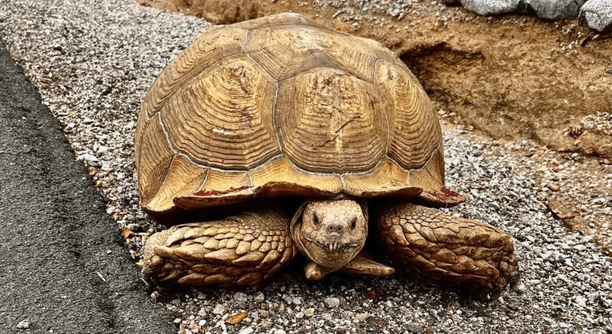
Bringing a Sulcata tortoise into your home is an exciting experience, but it can also be overwhelming for the tortoise as it adjusts to its new environment. Their transition requires careful attention and proper care.
Helping a Sulcata tortoise adjust to a new home involves providing a stable and calm environment. It is crucial to ensure proper humidity, temperature, and space to help them feel safe. Consistent routines will also aid in easing their adjustment.
By following the right steps, you can create an environment that allows your tortoise to thrive and feel at ease.
Creating a Comfortable Space for Your Sulcata Tortoise
When bringing a Sulcata tortoise into your home, one of the most important factors is to create a space that feels safe and secure. These tortoises need room to roam, but they also thrive in environments where they can retreat to when they feel stressed. Start by ensuring your tortoise has access to a large enclosure that mimics their natural habitat. This should include areas for basking, hiding, and cooling off.
In addition to space, maintaining the right temperature and humidity levels is crucial. Sulcata tortoises are native to hot, dry environments, so you’ll need to provide a heat source such as a basking lamp or ceramic heat emitter. Ensure the enclosure has a warm area around 95°F, and a cooler area around 75°F. Humidity levels should stay low, between 30-40%. A proper substrate like sand or soil will help with drainage, allowing your tortoise to dig as they would in the wild.
A comfortable environment with both warm and cooler areas will help ease your tortoise’s transition.
Feeding and Hydration Needs
Feeding your Sulcata tortoise correctly is just as important as their living space. They are herbivores, so a diet rich in grasses, hay, and leafy greens is essential. Avoid offering fruit or vegetables that are too high in moisture, as this can upset their digestive system. Fresh grass should be a staple in their diet, along with a variety of other plant-based foods like dandelion greens, clover, and hibiscus leaves.
Hydration is another important aspect. While Sulcata tortoises get some moisture from their food, they need access to fresh water at all times. Providing a shallow water dish in the enclosure will allow your tortoise to drink whenever they need. Occasionally soaking them in warm water can also help with hydration and promote proper digestion. A well-balanced diet and consistent water access are essential for helping them adjust.
Staying consistent with their diet and hydration will improve their overall health and comfort in their new home.
Proper Lighting for a Sulcata Tortoise
Sulcata tortoises need access to proper lighting to stay healthy. UVB lighting is essential for their well-being, as it helps them synthesize vitamin D3, which is crucial for calcium absorption. Without UVB light, they can develop metabolic bone disease.
Place a UVB light over their enclosure to ensure they receive exposure for about 12 hours each day. The light should be close enough to allow your tortoise to bask beneath it but not so close that it causes overheating. Additionally, having a basking light that provides heat will simulate the sun’s warmth, offering a perfect setup for their basking behavior.
Consistent access to the right lighting will support your tortoise’s growth and overall health.
Regular Interaction and Handling
While Sulcata tortoises are not particularly social animals, they can become more comfortable with human interaction over time. It’s important to handle them gently and sparingly. Regular, non-intrusive interactions will help them feel more at ease with their new environment.
Be mindful of how often you pick them up. Frequent handling can stress your tortoise, making them more hesitant to adjust. Instead, spend time near their enclosure, allowing them to observe you and get used to your presence. Offering food or treats while sitting nearby can also help build trust.
Over time, your Sulcata tortoise will become more relaxed and accustomed to you. This gradual process will make them feel safer and less stressed as they settle in.
Offering a Safe Hiding Spot
Sulcata tortoises need a hiding spot where they can feel secure. These tortoises can become stressed if they don’t have a place to retreat when they feel overwhelmed. Providing them with a hide box or shelter is essential.
The hiding area should be dark and enclosed, providing a sense of safety. You can use materials like wood or plastic to create the shelter. Ensure it’s large enough for your tortoise to comfortably fit inside but small enough to give them a feeling of security. A simple, cozy hideout can help your tortoise adjust.
Substrate Choices for the Enclosure
The substrate in the enclosure plays a significant role in your Sulcata tortoise’s comfort. Choosing the right material for the enclosure can improve their overall well-being. Soil, sand, and a mix of both work well for these tortoises.
The substrate should allow for burrowing, as Sulcata tortoises enjoy digging. A mixture of sand and organic soil will create a natural, comfortable environment. Be sure to maintain clean, dry conditions to prevent mold or bacteria growth, which can affect your tortoise’s health. Regularly replace the substrate to keep the habitat fresh and safe.
Temperature Regulation
Sulcata tortoises rely on the proper temperature range for digestion and overall health. Ensure the temperature in their enclosure is warm enough to keep them active but not too hot.
Maintaining a heat gradient is essential, where one side is warmer than the other. Use a heat lamp or ceramic heat emitter to provide warmth during the day. At night, the temperature can drop, but it should not fall below 70°F. Keeping consistent temperatures is key for your tortoise’s comfort.
FAQ
How do I know if my Sulcata tortoise is stressed?
Stress in a Sulcata tortoise can show in various ways, such as reduced activity, hiding more than usual, or a lack of appetite. If your tortoise is spending excessive time hiding or not eating, it may indicate stress. Ensure the enclosure is suitable in terms of space, lighting, and temperature. Also, avoid handling them too often, as this can contribute to stress. If the issue persists, a visit to the vet is recommended.
What is the ideal size for a Sulcata tortoise’s enclosure?
The minimum size for an adult Sulcata tortoise’s enclosure is 10 feet by 10 feet, but bigger is better. Sulcata tortoises are large and need space to roam, graze, and dig. For younger tortoises, a smaller space can work temporarily, but it should still allow them to move around freely. Providing ample space is important for their mental and physical well-being.
Can Sulcata tortoises live with other pets?
Sulcata tortoises are generally solitary and should not be housed with other pets, especially other reptiles. They can become aggressive towards smaller animals or other tortoises. It’s best to keep them in their own separate space to avoid stress or injury. If you plan to have multiple tortoises, they should be monitored closely, as Sulcatas can display territorial behavior.
What should I feed my Sulcata tortoise?
Sulcata tortoises are herbivores, so their diet should consist mostly of high-fiber grasses, hay, and leafy greens. You can feed them dandelion greens, clover, and grasses like timothy hay. Avoid feeding them fruits and vegetables with high moisture content, as these can cause digestive problems. Offering a variety of plant-based foods ensures they get the necessary nutrients. Always provide fresh water in a shallow dish.
How often should I clean my Sulcata tortoise’s enclosure?
It’s important to clean the enclosure regularly to prevent any buildup of bacteria or mold. Spot clean the enclosure daily, removing any waste, uneaten food, and debris. Perform a more thorough cleaning every few weeks, changing the substrate if necessary. Keeping the enclosure clean will help prevent health issues and ensure your tortoise stays comfortable.
Do I need to provide a basking light for my Sulcata tortoise?
Yes, Sulcata tortoises need a basking light to help regulate their body temperature and ensure proper digestion. The basking spot should be around 95°F during the day. A UVB light is also essential for their overall health, as it helps them synthesize vitamin D3 for calcium absorption. Make sure the basking light is positioned correctly to avoid overheating.
How do I keep my Sulcata tortoise hydrated?
Hydration is crucial for a Sulcata tortoise’s health. While they get some moisture from their food, they should always have access to fresh water. Provide a shallow water dish in their enclosure and make sure it’s large enough for them to drink from easily. Occasionally, soaking your tortoise in warm water for about 15-20 minutes will also help with hydration.
What temperature should I keep my Sulcata tortoise’s enclosure?
The temperature in the enclosure should range from 75°F to 95°F, with a basking area reaching 95°F. The cooler side of the enclosure should be around 75°F to 80°F. At night, the temperature can drop but should not go below 70°F. Consistent temperatures will help your tortoise feel comfortable and promote healthy digestion.
Can Sulcata tortoises dig?
Yes, Sulcata tortoises are natural diggers. In the wild, they dig burrows to stay cool and safe from predators. You should provide a substrate that allows them to dig, like a mix of sand and soil. This helps them feel more at home and supports their natural behavior. Be sure to maintain a clean, dry environment to prevent mold or bacteria growth.
What should I do if my Sulcata tortoise is not eating?
If your Sulcata tortoise isn’t eating, it could be a sign of stress or illness. Check the temperature, humidity, and overall conditions in the enclosure. Ensure they have access to proper lighting and a varied diet. If the problem persists, consult a veterinarian to rule out any health issues.
Final Thoughts
Helping a Sulcata tortoise adjust to a new home requires patience and attention to detail. These tortoises are known for their calm and gentle nature, but they need the right environment to thrive. A proper enclosure, correct temperature, and access to a balanced diet are all essential. The more effort you put into setting up their habitat, the better your tortoise will adjust and feel comfortable in its new surroundings.
It’s important to remember that each tortoise is unique, and adjustments may take time. While some may settle in quickly, others might need more time to adapt. Being consistent with their care, providing regular meals, and offering a safe space for them to hide will go a long way in ensuring their well-being. With the right setup and care, your Sulcata tortoise can live a long and healthy life.
If you’re ever uncertain about the care your Sulcata tortoise needs, it’s a good idea to reach out to a veterinarian who specializes in reptiles. They can offer valuable insights and help guide you in ensuring that your tortoise’s health remains a priority. Ultimately, the goal is to create an environment where your tortoise feels safe, secure, and able to grow.

Hello,
If you enjoy the content that we create, please consider saying a "Thank You!" by leaving a tip.
Every little bit helps us continue crafting quality advice that supports the health, happiness, and well-being of pets around the world, for pets of all shapes, sizes, and species.
We really appreciate the kindness and support that you show us!