
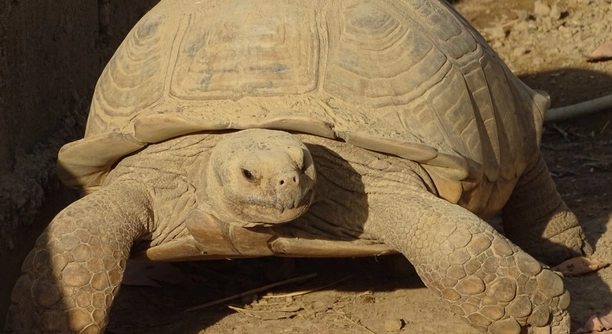
Before bringing a Sulcata tortoise into your home, it’s essential to consider several factors. These tortoises require specific care and attention to ensure their well-being. Preparing yourself can help you provide the best environment for your new pet.
Sulcata tortoises are large, long-lived reptiles that require a spacious habitat, special dietary needs, and a warm climate. Their care can be demanding, involving regular maintenance and careful attention to their health, environment, and diet to thrive.
Understanding these factors will help ensure your Sulcata tortoise enjoys a healthy and fulfilling life, avoiding common pitfalls that many first-time owners encounter.
Size and Space Requirements
Sulcata tortoises are among the largest tortoises in the world, reaching up to 30 inches in length and weighing over 100 pounds. They require a lot of space to roam and explore, so providing them with a large outdoor enclosure is essential. If kept indoors, they will need a specially designed indoor space with adequate heating, lighting, and room to move. The enclosure should mimic their natural habitat, offering places to hide, bask, and dig. Without enough space, they can become stressed, leading to health problems.
A cramped environment can hinder their ability to move freely, causing them to develop joint or shell issues over time. They also need access to sunlight or UVB lighting for proper calcium absorption and overall health.
Being mindful of the space requirements is crucial, as it allows your Sulcata tortoise to grow comfortably while promoting a healthy lifestyle. Providing ample space will prevent unnecessary stress, contributing to a longer, happier life for your pet.
Temperature and Climate
Sulcata tortoises originate from the hot, dry regions of Africa, making them highly sensitive to temperature changes. They thrive in warm temperatures ranging from 85°F to 95°F during the day, with a cooler night temperature between 70°F and 75°F. This is why proper heating is critical in their care, especially for those living in colder climates.
In addition to warmth, they also need access to a basking spot where they can soak up heat to aid in digestion. During colder months, it’s essential to provide heat lamps or ceramic heaters in their enclosure. Failure to maintain the correct temperature can lead to a weakened immune system, making your tortoise more vulnerable to illness.
Proper temperature management ensures your Sulcata tortoise remains healthy and active. Be sure to monitor both the daytime and nighttime temperatures, adjusting your heating sources as needed to keep your pet comfortable and thriving.
Diet and Nutrition
Sulcata tortoises are herbivores, feeding primarily on grasses, hay, and leafy greens. It’s essential to provide a varied, high-fiber diet to keep them healthy. Avoid feeding them high-protein foods like fruits or vegetables rich in oxalates, as this can cause kidney problems.
Their diet should be rich in calcium, which is crucial for shell and bone health. Offering hay such as timothy or orchard grass is an excellent source of fiber. You can supplement their diet with leafy greens like dandelion greens and kale, but avoid high-fat greens. Providing a balanced diet will help your tortoise grow strong and healthy.
Overfeeding high-calcium greens or vegetables can cause metabolic issues. Therefore, portion control is key. Providing clean, fresh water daily is just as important. Dehydration can cause health problems, so always make sure your Sulcata tortoise has access to water, especially during warmer months.
Health Monitoring
Regular health check-ups are essential for your Sulcata tortoise. They are prone to conditions such as respiratory infections and shell rot if not properly cared for. Checking their eyes, nose, and mouth for signs of discharge is a good way to monitor their health.
A common issue with Sulcatas is shell growth problems, which can be caused by improper nutrition or poor environmental conditions. If you notice any soft spots, cracks, or deformities on their shell, it’s important to seek veterinary care immediately. Proper lighting, hydration, and diet can prevent many health problems.
Regularly trimming their nails and checking their skin for signs of irritation or parasites is also necessary. These small tasks ensure that your Sulcata remains healthy and comfortable in their environment. Keeping a close eye on their condition will help catch potential issues early.
Longevity and Lifespan
Sulcata tortoises can live up to 50 years or more, making them a long-term commitment. Their lifespan can be affected by their living conditions, diet, and overall care. Proper care can help ensure that they live a long and healthy life.
Because of their longevity, you must be prepared for a tortoise that requires attention and care for decades. Consider whether you are ready for the responsibility before getting a Sulcata, as their care needs evolve over time.
Housing and Enclosure
Sulcata tortoises require large outdoor enclosures, preferably with ample space to roam. An ideal enclosure should have secure fencing to prevent escapes and a surface that is easy to clean. A proper enclosure helps create a safe, controlled environment.
In the enclosure, include hiding spots, basking areas, and a shallow water dish. Ensure that it is also sheltered from extreme weather. This environment replicates their natural habitat, offering space for exploration, sunlight, and comfort. Maintaining the enclosure ensures your Sulcata remains stress-free and happy.
FAQ
How much space do Sulcata tortoises need?
Sulcata tortoises need a large space to roam, especially as they grow. For an adult, the minimum recommended size for an outdoor enclosure is 200 square feet. If kept indoors, you should aim for a space that is as large as possible, with access to a basking area and plenty of room for movement. Larger enclosures encourage healthy behavior and allow for natural exploration, which is important for their mental and physical well-being.
Can Sulcata tortoises live indoors?
Yes, Sulcata tortoises can live indoors, but it requires careful planning. You’ll need to provide them with a spacious indoor area that mimics their natural environment, including UVB lighting, heat lamps, and a safe, secure space for them to roam. However, they prefer being outdoors, so if kept indoors for long periods, they need extra attention to their care and health.
What temperature should I maintain for my Sulcata tortoise?
Sulcata tortoises require a warm environment, with daytime temperatures ranging between 85°F and 95°F. At night, temperatures should fall to around 70°F to 75°F. It’s essential to maintain consistent heat levels in their habitat, especially in colder months, by using heat lamps or ceramic heaters to ensure they stay comfortable and healthy.
How often should I feed my Sulcata tortoise?
Sulcata tortoises should be fed daily, but their diet should be carefully managed. Their diet mainly consists of grasses, hay, and leafy greens. Overfeeding, especially with fruits or high-protein foods, can lead to health issues like kidney problems. Portion control is essential, so make sure to monitor their intake.
What kind of diet does a Sulcata tortoise need?
Sulcata tortoises are herbivores and require a high-fiber diet. They eat grasses, hay, dandelion greens, and other leafy vegetables. It’s important to avoid feeding them fruits or vegetables that are too high in sugar or oxalates. Regular access to calcium-rich foods and clean, fresh water is crucial for their health.
How can I tell if my Sulcata tortoise is sick?
A sick Sulcata tortoise may exhibit signs such as lethargy, lack of appetite, nasal discharge, or wheezing. You may also notice changes in their behavior, such as hiding more often. If their shell becomes soft, cracked, or swollen, this is also a cause for concern. If you notice any of these symptoms, seek veterinary care as soon as possible.
Can Sulcata tortoises be kept with other animals?
While Sulcata tortoises can sometimes live in the same area as other reptiles or animals, it’s best to avoid housing them with more aggressive species. They should not be housed with smaller animals that could be stressed by the tortoise’s large size or feeding habits. If kept with other tortoises, ensure there is enough space for each one to avoid territorial behavior.
How do I prevent my Sulcata tortoise from escaping?
Sulcata tortoises are known for their ability to dig and climb. To prevent escapes, your enclosure should have solid walls that are at least 18 inches high and buried at least 6-12 inches deep into the ground to prevent digging. Make sure the fencing is secure, with no gaps large enough for the tortoise to squeeze through.
Do Sulcata tortoises need a basking area?
Yes, Sulcata tortoises need a basking area in their habitat. A basking spot is essential for regulating their body temperature and aiding digestion. This area should be heated to around 100°F to 105°F and should include a smooth surface for them to rest on. Be sure to have a shaded area as well for when they need to cool down.
How can I maintain my Sulcata tortoise’s shell health?
To keep your Sulcata tortoise’s shell healthy, provide a proper diet rich in calcium, maintain an adequate temperature, and offer access to sunlight or UVB lighting. Avoid humidity levels that are too high, as this can lead to shell rot. Ensure they have a clean, dry living area to prevent infections.
What kind of lighting do Sulcata tortoises need?
Sulcata tortoises require UVB lighting to help with the absorption of calcium and maintain overall health. UVB light is essential for their shell and bone growth. If your tortoise is kept indoors, you will need to provide a UVB light source for 12 to 14 hours a day, especially if they don’t have access to direct sunlight.
How often should I clean my Sulcata tortoise’s enclosure?
You should clean your Sulcata tortoise’s enclosure regularly to keep it safe and hygienic. This means removing soiled bedding and uneaten food daily. A deeper clean, including washing the entire enclosure with safe, non-toxic cleaners, should be done every two weeks to prevent any bacterial build-up.
Are Sulcata tortoises good pets for beginners?
While Sulcata tortoises are fascinating and relatively easy to care for, they are not ideal for first-time pet owners. Their large size, specific dietary needs, and long lifespan can be challenging for beginners. It’s important to thoroughly research their care requirements before deciding to adopt one.
Final Thoughts
Sulcata tortoises are fascinating and unique pets that require a significant commitment. Their long lifespan, large size, and specific care needs make them a challenge for some owners, but for those who are prepared, they can be rewarding companions. They thrive in large, outdoor enclosures with plenty of space to roam and bask in the sun. Ensuring their habitat is secure and safe is essential to prevent escapes and protect their well-being. Regular care, including proper diet, hydration, and temperature control, is crucial for keeping them healthy and happy.
Before bringing a Sulcata tortoise into your home, it’s important to fully understand the responsibilities involved. Their diet consists mainly of grasses and leafy greens, which must be provided in proper portions to avoid health issues. Additionally, their need for UVB lighting, proper humidity levels, and a suitable temperature range must be carefully monitored. The effort and dedication required to care for a Sulcata are substantial, but it’s important to remember that they can live for many decades. This means that owners must be ready for a long-term commitment, and they should be prepared for the evolving needs of their tortoise as it ages.
If you’re considering adopting a Sulcata tortoise, make sure you have the space, time, and resources to provide the care it needs. They may not be ideal for everyone, but with the right care, Sulcatas can be fascinating and fulfilling pets. Just remember, owning a tortoise means being responsible for its well-being for decades to come. Taking the time to plan for their future and understanding their needs will ensure that both you and your tortoise have a happy and healthy life together.

Hello,
If you enjoy the content that we create, please consider saying a "Thank You!" by leaving a tip.
Every little bit helps us continue crafting quality advice that supports the health, happiness, and well-being of pets around the world, for pets of all shapes, sizes, and species.
We really appreciate the kindness and support that you show us!