
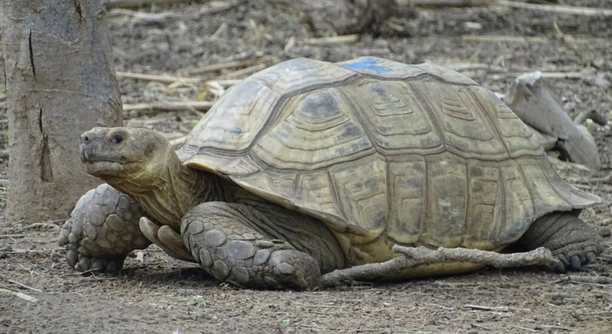
Tortoises are known for being calm creatures, but stress can still affect them. As a pet owner, understanding how to spot stress in your sulcata tortoise is essential to keep them happy and healthy.
The best way to tell if your sulcata tortoise is stressed is by observing changes in behavior, appetite, and physical signs. Stress can manifest through hiding, reduced eating, or unusual movements, signaling the need for intervention.
Recognizing the signs early can help prevent serious health issues and improve your tortoise’s well-being. We’ll walk you through the key indicators of stress and how to address them effectively.
Sudden Change in Appetite
A sudden change in your sulcata tortoise’s appetite can be an early sign of stress. If your tortoise suddenly refuses to eat or shows little interest in its usual food, something may be wrong. Stress from environmental changes, poor humidity levels, or even feeling threatened can cause this. Tortoises rely on their eating habits for both nourishment and comfort, so a change in appetite should not be ignored.
A lack of appetite could also lead to further health problems. It’s important to identify the root cause and correct it as soon as possible to prevent complications.
Make sure your tortoise’s environment is stable, including temperature, humidity, and lighting. Regularly clean its enclosure and offer food that aligns with its diet. If these factors are consistent and your tortoise is still not eating, it’s best to consult with a vet to rule out any underlying health issues.
Hiding More Than Usual
Sulcata tortoises are naturally shy animals, but excessive hiding is a clear indicator of stress. When they feel threatened or uncomfortable, they retreat to safer spots. Stressful conditions, such as loud noises, overcrowding, or unfamiliar scents, may cause your tortoise to spend more time in hiding.
Excessive hiding can also indicate discomfort with their habitat. A stressed tortoise may not feel secure, leading to a change in behavior. If you notice this, check for any environmental factors that might be causing anxiety, such as improper temperature or lighting.
Ensure the enclosure is large enough and provides a variety of hiding places to make your tortoise feel secure. By maintaining a stable and safe habitat, you can reduce stress and help your tortoise thrive. If this behavior persists, it’s advisable to seek advice from an experienced veterinarian.
Excessive Shell Movement
Excessive shell movement can be a sign of a stressed sulcata tortoise. If your tortoise is pacing or constantly shifting around its enclosure, it may be experiencing anxiety or discomfort. Stress can cause restlessness, and this behavior is often linked to feeling trapped or unable to escape a stressful situation.
This movement might also indicate that your tortoise is trying to find a more comfortable spot. When they feel uncomfortable due to temperature, humidity, or confinement, they may continuously move around in an attempt to escape or seek relief.
Pay attention to your tortoise’s environment. Make sure the temperature is just right, with a warm basking spot and cooler areas to choose from. Provide adequate space to allow natural movements. If shell movement doesn’t subside, a vet visit is recommended to rule out health concerns.
Changes in Basking Behavior
If your sulcata tortoise is no longer basking in the sun or artificial light, it could be a sign of stress. Basking is essential for regulating body temperature and absorbing UV rays. Stress can make them avoid this important activity, impacting their overall health.
A tortoise that stops basking may feel overwhelmed, too hot, or too cold. They might be uncomfortable with their habitat conditions or simply not feel safe enough to relax and bask. Tortoises that are stressed tend to become more passive and stop engaging in natural behaviors.
Monitor your tortoise’s temperature and lighting. Ensure it has access to a comfortable basking spot with proper heat and UV light. Stress might subside once these conditions are addressed, but if behavior doesn’t improve, further investigation is necessary to ensure your tortoise is not suffering from underlying health problems.
Unusual Breathing Patterns
If your sulcata tortoise begins breathing more heavily or rapidly than usual, it’s a clear sign of stress. Stress can affect their respiratory system, making it harder for them to breathe normally. Pay attention to any changes in their breathing patterns.
This issue can also be linked to a change in environmental conditions, such as an increase in humidity or temperature. A stressed tortoise may also exhibit wheezing or even open-mouth breathing, which could indicate a respiratory issue. Properly managing their habitat is key to avoiding this.
Aggressive Behavior
Stress in sulcata tortoises can cause unexpected aggression, especially if they feel threatened or territorial. If you notice your tortoise becoming more defensive or displaying signs of aggression, stress could be the main factor behind this shift.
It’s important to evaluate their surroundings and interactions. Overcrowding, excessive handling, or unfamiliar objects can trigger this behavior. Aggression may also happen if there’s a lack of space for them to move freely or if they feel their territory is being encroached upon. Try to minimize stressors and create a calm, consistent environment to reduce aggression.
FAQ
What causes stress in a sulcata tortoise?
Stress in sulcata tortoises can be caused by several factors, including improper habitat conditions, sudden changes in their environment, overcrowding, or even too much handling. A lack of proper food, temperature, and humidity can also lead to stress. Tortoises are sensitive creatures, and if their environment feels unsafe or uncomfortable, it can cause significant stress. It’s important to create a stable, calm habitat to minimize stress triggers.
How can I reduce stress for my sulcata tortoise?
To reduce stress, start by ensuring your tortoise’s enclosure is appropriately sized, with the right temperature and humidity levels. Make sure they have a basking spot with UV light and cooler areas for them to retreat. Avoid overcrowding and provide plenty of hiding places. Limit handling to a minimum, allowing your tortoise to feel safe in its space. Regularly clean the enclosure and offer fresh food to avoid health-related stress. Creating a predictable routine will also help your tortoise feel more comfortable.
Can my sulcata tortoise become stressed from too much attention?
Yes, excessive attention can cause stress for sulcata tortoises. While they are social animals, they need their space to feel safe. Overhandling, constant noise, or too much interaction can make them feel threatened. It’s important to find a balance between social interaction and allowing your tortoise to be alone when it wants. Tortoises thrive in calm environments, so give them the opportunity to rest and bask without unnecessary disturbances.
What are the signs of a stressed sulcata tortoise?
A stressed sulcata tortoise may exhibit various signs, such as excessive hiding, loss of appetite, excessive shell movement, or changes in basking behavior. They may also show more aggressive behavior, rapid or open-mouth breathing, and restlessness. Pay attention to these signs to identify stress early and address the cause.
How can I tell if my sulcata tortoise is stressed or sick?
While stress and illness can share similar symptoms, there are key differences. A stressed tortoise may show changes in behavior, such as hiding or pacing, without showing physical signs of illness. If your tortoise has symptoms like discharge from the nose, labored breathing, or lethargy, it could be sick. A trip to the vet is always the best course of action to rule out health problems if you’re unsure.
Can a change in environment stress my sulcata tortoise?
Yes, a change in environment can be very stressful for a sulcata tortoise. Tortoises are creatures of habit, and even small changes in their living space can cause anxiety. Moving to a new enclosure, a change in temperature, or even a new pet in the house can make your tortoise feel unsettled. Try to keep their environment as consistent as possible to avoid unnecessary stress.
Is it normal for my sulcata tortoise to hide when stressed?
Yes, it’s normal for a sulcata tortoise to hide when stressed. Hiding is their natural way of seeking comfort and safety. If they feel threatened or uneasy, they will retreat to a safe, enclosed space where they feel protected. While occasional hiding is fine, excessive hiding can indicate stress, and you should check the habitat conditions to ensure they are suitable for your tortoise.
How long does it take for a stressed sulcata tortoise to recover?
The recovery time for a stressed sulcata tortoise can vary depending on the cause of the stress. If it’s an environmental factor, such as temperature or humidity, it can take a few days to a week for your tortoise to adjust to the new conditions. If the stress is due to illness or other underlying factors, it may take longer, and you should consult a veterinarian for guidance.
Do sulcata tortoises need a companion to avoid stress?
Sulcata tortoises do not necessarily need a companion to avoid stress. While they may tolerate the presence of other tortoises, they are generally solitary creatures and can thrive alone if their environmental needs are met. However, if you keep multiple sulcata tortoises together, ensure there is enough space and resources to avoid territorial behavior and stress.
What should I do if my sulcata tortoise is not eating?
If your sulcata tortoise is not eating, first check its environment. Ensure that the temperature, humidity, and lighting are correct. A tortoise that feels too hot or too cold may stop eating. Also, make sure the food offered is appropriate and fresh. If the problem persists, it’s best to consult a vet to rule out health issues. Sometimes stress can cause loss of appetite, so addressing the stressor is important for recovery.
Understanding and recognizing stress in your sulcata tortoise is essential for ensuring its well-being. These tortoises, like many animals, rely on their environment to feel secure. If anything feels off, from temperature to diet, it can cause them stress. This stress can show up in many ways, such as changes in appetite, behavior, or breathing. Paying close attention to these signs can help you address any potential issues before they become serious. Regularly monitoring your tortoise’s behavior and making sure its habitat remains stable and comfortable is one of the most important steps in preventing stress.
A consistent routine and a stress-free environment are key to keeping your tortoise happy and healthy. Make sure your sulcata tortoise has enough space, proper lighting, and a varied diet. Too much or too little interaction can cause them to feel stressed, so it’s important to find a balance. Avoid sudden changes, such as moving them to a new enclosure or introducing other animals into their space. If you make these adjustments slowly and carefully, your tortoise is less likely to experience stress. If you notice any changes in behavior, it’s always a good idea to assess their environment first and make sure it’s ideal for them.
Lastly, while stress can sometimes be hard to avoid completely, understanding how to prevent it can go a long way in keeping your sulcata tortoise healthy. Being mindful of their needs and watching for early signs of stress can help you act quickly if anything goes wrong. Remember, every tortoise is different, and what works for one may not be suitable for another. If in doubt, it’s always wise to consult with a veterinarian who can help identify any underlying health issues that may contribute to stress. By taking these steps, you can ensure that your tortoise leads a happy and healthy life.

Hello,
If you enjoy the content that we create, please consider saying a "Thank You!" by leaving a tip.
Every little bit helps us continue crafting quality advice that supports the health, happiness, and well-being of pets around the world, for pets of all shapes, sizes, and species.
We really appreciate the kindness and support that you show us!