
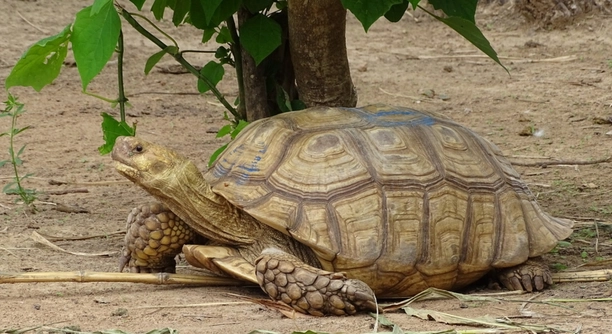
Sulcata tortoises are known for their hearty appetites and grazing habits. Providing them with the right plants is essential for their health and well-being. It’s important to know which outdoor plants are suitable for them.
The best plants for sulcata tortoises to graze on are nutrient-rich, safe, and provide variety in their diet. These plants should also be easily accessible and grown in environments that match the tortoises’ natural habitat needs.
These plants offer a great balance of nutrition and taste, ensuring your tortoises stay happy and healthy. Keep reading to learn more about the top options for your sulcata tortoise’s outdoor grazing area.
1. Dandelions: A Nutritious Favorite
Dandelions are one of the most popular plants for sulcata tortoises. These plants are full of vitamins and minerals, including calcium, which is essential for tortoises’ bone health. Both the leaves and flowers are safe for them to eat, and they enjoy grazing on them regularly. Dandelions also provide fiber, aiding in digestion. The bright yellow flowers also attract them, making it easier to get them to eat. Since they grow in many regions, they’re often available without much effort.
You can easily find dandelions in your backyard or local area. Just be sure they haven’t been treated with chemicals, as this could harm your tortoise.
Dandelions are an excellent choice because of their high nutrient content and easy availability. By planting a patch of them in your garden, you can create a natural feeding area for your sulcata tortoise. These plants can also be grown in pots or raised beds, giving you more control over the growing conditions. Regularly harvesting them and offering them fresh will ensure your tortoise gets a constant supply of these beneficial greens. Dandelions are a simple, low-maintenance option that will help your tortoise thrive.
2. Clover: A Tasty and Safe Option
Clover is another great plant for sulcata tortoises. It’s rich in vitamins and minerals that support their overall health.
Clover grows quickly and can be found in many places. It’s also easy to grow in your own yard, providing a fresh and constant supply for your tortoise. The leaves offer a pleasant texture that sulcatas tend to enjoy.
Clover contains a good amount of protein and calcium, making it an excellent addition to your tortoise’s diet. It’s not only beneficial nutritionally but also provides variety, which is essential for keeping your tortoise interested in its food. Clover grows well in sunny locations with well-drained soil, so it’s easy to plant in your garden. You can even grow it in patches to ensure there’s always fresh clover available. Regularly cutting clover will keep it growing back, so your sulcata tortoise can enjoy it consistently. If you’re looking for a simple, low-maintenance plant, clover is a perfect choice.
3. Plantain: A High-Fiber Treat
Plantain is another fantastic option for sulcata tortoises. It’s rich in fiber and contains plenty of essential nutrients that support digestion and overall health.
The leaves of the plantain plant are large, which makes them easy for tortoises to nibble on. They are high in fiber, which promotes good digestion. Plantain also contains vitamins like A, C, and K, which contribute to a strong immune system. This makes it a great addition to their diet, especially for promoting healthy digestion and boosting their natural defense against illnesses.
Plantain can be grown in a variety of soil types and is relatively easy to maintain in your garden. It can be found in many areas, particularly in the wild, so you might already have access to it. It’s important to make sure that the plant hasn’t been sprayed with pesticides, as this could harm your tortoise. Growing your own plantain or foraging for it in chemical-free areas will provide a fresh, nutritious option for your tortoise to enjoy regularly.
4. Nasturtiums: Flavorful and Safe
Nasturtiums are not only beautiful but also safe and nutritious for your tortoise. They are packed with vitamin C and antioxidants.
These plants are often overlooked, but they offer a wealth of benefits. The leaves and flowers are safe for tortoises to eat, and they enjoy both parts. Nasturtiums are rich in vitamin C, which helps boost the immune system and keep your tortoise in good health. They also contain antioxidants, which protect cells from damage. Their peppery taste provides variety in your tortoise’s diet and encourages them to graze more.
Nasturtiums are easy to grow in sunny spots with well-drained soil. They thrive in garden beds, pots, or hanging baskets, offering flexibility in where they can be planted. Additionally, they are relatively low-maintenance, making them a great option for tortoise owners. Keep in mind that the flowers should be picked when they are fresh to ensure your tortoise gets the maximum nutritional value. Planting nasturtiums in your garden can offer a colorful, nutritious addition to your tortoise’s diet.
5. Herbs: Parsley and Basil
Herbs like parsley and basil are excellent additions to your tortoise’s diet. They are flavorful, nutritious, and provide essential vitamins and minerals. Both are safe and easy to grow in your garden.
Parsley is packed with vitamin K, vitamin C, and antioxidants. Basil, on the other hand, contains important nutrients like calcium and vitamin A. Both herbs are also high in fiber, which supports digestion. Offering these herbs fresh from your garden adds variety to their diet, making mealtime more interesting. Just make sure to avoid giving them too much at once, as some herbs can be rich in oxalates, which could be harmful in large quantities.
6. Grapevine Leaves: A Tasty Addition
Grapevine leaves are a great option for sulcata tortoises. These leaves are high in fiber and rich in essential nutrients.
The leaves are soft enough for tortoises to chew on, and they enjoy the taste. Grapevine leaves provide a good source of calcium, which is necessary for bone health. Additionally, they contain a variety of vitamins, including vitamin A, which supports eye health. Planting grapevines in your garden offers a reliable, long-lasting food source for your tortoises. Simply pluck the leaves when they are fresh and offer them to your tortoise as part of their daily grazing routine.
7. Zucchini and Squash Leaves
Zucchini and squash leaves are safe and nutritious for sulcata tortoises. These leaves provide a nice alternative to the usual greens.
Zucchini and squash plants are easy to grow in most climates and can be a consistent source of food. The large leaves are full of water, making them a hydrating option for tortoises. They also contain beneficial minerals like calcium and magnesium. These leaves are low in oxalates, making them safe to feed regularly. Offering zucchini or squash leaves can keep your tortoise hydrated while providing variety in its diet.
FAQ
Can sulcata tortoises eat flowers?
Yes, sulcata tortoises can eat certain flowers. In fact, many flowers are safe and nutritious for them. Flowers such as dandelions, nasturtiums, and hibiscus are great additions to their diet. They provide vitamins, antioxidants, and are a natural way to add variety to their meals. However, it’s crucial to make sure the flowers you offer are not treated with pesticides or chemicals, as these can be harmful. Always ensure the flowers are safe for tortoises and come from chemical-free environments.
How do I know if a plant is safe for my tortoise to eat?
To ensure a plant is safe for your sulcata tortoise, check if it’s a known tortoise-friendly plant. Research each plant thoroughly before offering it. Look for plants that are commonly recommended for tortoises, such as clover, dandelions, and grasses. Avoid plants with high levels of oxalates or those that are toxic to reptiles. If you’re uncertain, it’s always best to consult a veterinarian who is knowledgeable about reptiles. Remember to avoid flowers or plants treated with pesticides or herbicides, as these can be harmful.
Can sulcata tortoises eat fruit?
While sulcata tortoises can eat fruit, it should be given in moderation. Fruits are high in sugar and should not be a primary part of their diet. You can offer small amounts of fruit like strawberries, melons, or papaya as a treat, but too much can cause digestive issues and lead to obesity. It’s important to focus on providing high-fiber, low-sugar options like grasses, weeds, and leafy greens for their main meals. Always remove any leftover fruit from their habitat to avoid attracting pests or mold.
How often should I feed my sulcata tortoise plants?
Sulcata tortoises should be fed a variety of plants daily. You can offer fresh, safe plants every day to ensure they receive a balanced diet. It’s important to rotate the plants to avoid monotony and ensure your tortoise gets a range of nutrients. Offer different greens, flowers, and weeds throughout the week. Make sure fresh water is always available, as hydration is just as important as their plant-based diet. Always remove any uneaten food after 24 hours to prevent spoilage.
Can I grow plants for my tortoise indoors?
Yes, you can grow certain plants indoors for your sulcata tortoise, but you need to make sure they receive enough sunlight. Many tortoise-friendly plants can be grown in pots or containers inside, such as herbs (parsley, basil) or small leafy greens. You can also place them near a window with plenty of natural sunlight or use a grow light to ensure they get the nutrients they need. Be sure to select plants that thrive indoors and avoid those that require a lot of space to grow.
Are there any plants that I should never feed my sulcata tortoise?
Yes, there are some plants that are toxic to sulcata tortoises and should be avoided at all costs. These include plants like azalea, oleander, and foxglove, which can cause serious health problems. Some houseplants such as pothos, peace lilies, and dieffenbachia are also toxic to tortoises. It’s essential to research any plant before introducing it into their diet. If you are unsure whether a plant is safe, it’s always better to err on the side of caution and avoid feeding it to your tortoise.
Can I feed my sulcata tortoise only weeds and grasses?
Yes, weeds and grasses should make up the majority of your sulcata tortoise’s diet, but it’s still important to offer some variety. While grasses like Bermuda and timothy are perfect staples, supplementing with a few other plants like dandelions, clover, and edible flowers can provide important nutrients. Over time, offering different plant options helps prevent nutritional imbalances and keeps your tortoise interested in its food. However, weeds and grasses should still form the base of their diet for optimal health.
How do I grow a tortoise-friendly garden?
Creating a tortoise-friendly garden involves choosing the right plants that are safe and beneficial for your sulcata. Start by planting grasses, clover, and dandelions in a sunny, well-drained area. Add a few safe flowers like nasturtiums and hibiscus to provide variety. Consider planting herbs like parsley or basil, as they can be a nutritious treat. Avoid using chemicals, fertilizers, or pesticides, as these can be harmful. If possible, create a shaded area with rocks or logs where your tortoise can rest during the hot parts of the day. Water the plants regularly and maintain them to ensure they grow healthy.
Can I feed my sulcata tortoise the same plants every day?
It’s best not to feed your sulcata tortoise the same plants every day. A varied diet helps provide all the nutrients they need and keeps them from becoming bored with their food. Rotate different greens, flowers, and weeds to ensure a balanced intake of vitamins and minerals. By offering a diverse selection, you also reduce the risk of nutrient imbalances or deficiencies. Regularly change up what you feed your tortoise to ensure they get the full spectrum of nutrients and maintain a healthy digestive system.
Do sulcata tortoises need supplements if they are grazing on plants?
If your sulcata tortoise is grazing on a wide variety of safe, nutrient-rich plants, supplements may not be necessary. However, some owners choose to provide calcium supplements to ensure proper bone health, especially if the tortoise is not exposed to enough natural sunlight. Vitamin D3 is also important for calcium absorption, and if your tortoise is kept indoors, a UVB light can help. Always consult a reptile veterinarian before introducing supplements to avoid over-supplementing, as this can lead to health problems.
Final Thoughts
Providing a healthy and varied diet for your sulcata tortoise is essential for their long-term well-being. These tortoises thrive on a diet made up of mostly grasses, weeds, and leafy greens, with the occasional addition of safe flowers and herbs. By offering a mix of these plants, you can ensure your tortoise gets the necessary nutrients they need, such as calcium, fiber, and vitamins. Growing a variety of plants in your garden or purchasing them from a safe source can help you meet these needs.
While it may seem like a lot of effort to maintain a proper diet, it’s worth the time and care to ensure your sulcata tortoise stays healthy and happy. Many of the plants listed are easy to grow, such as dandelions, clover, and plantain. These plants are not only nutritious but are often readily available in the wild, making it easier to feed your tortoise a natural diet. Just be sure to avoid plants treated with pesticides, as these chemicals can be harmful to your tortoise’s health.
Lastly, it’s important to remember that variety is key when it comes to feeding your sulcata tortoise. Although grasses and weeds should be the main staple of their diet, offering a range of plants like flowers and herbs can provide extra nutrition and prevent boredom. With careful attention to the types of plants you grow and offer, you can create a feeding environment that supports your tortoise’s growth, health, and happiness. Always keep an eye on their health and consult a veterinarian if you have any concerns about their diet.

Hello,
If you enjoy the content that we create, please consider saying a "Thank You!" by leaving a tip.
Every little bit helps us continue crafting quality advice that supports the health, happiness, and well-being of pets around the world, for pets of all shapes, sizes, and species.
We really appreciate the kindness and support that you show us!