
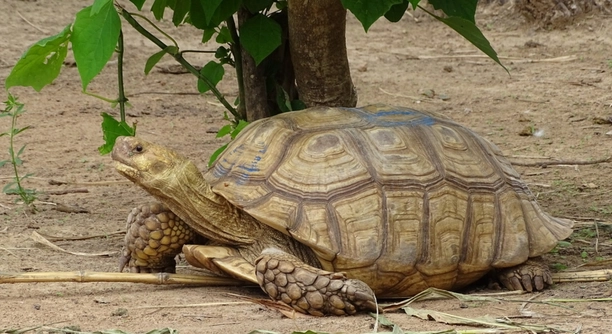
Sulcata tortoises are known for their curious nature and unique behaviors. If you’ve noticed your tortoise scratching at the walls, it may leave you wondering what’s going on. Understanding this behavior can help improve your pet’s comfort.
The primary reason a sulcata tortoise scratches at walls is to explore its environment. Tortoises are naturally curious creatures, and scratching can also indicate stress, discomfort, or a desire to escape their enclosure.
Identifying the cause of your tortoise’s scratching will help you provide a better living space. By addressing potential triggers, you can create a more enjoyable environment for your pet.
The Behavior of Sulcata Tortoises
Sulcata tortoises are highly active, and scratching at the walls is a natural behavior for them. They are constantly exploring their surroundings and testing the boundaries of their enclosures. When scratching, they could be trying to find a way out or seeking something of interest. It’s also possible that they are just trying to interact with their environment. While this is a common action, it can be a sign of something more, such as discomfort or stress. This behavior is especially noticeable when your tortoise is confined to a small or limited space.
This kind of activity is not always a negative sign. In fact, scratching can simply reflect your tortoise’s curiosity. However, the frequency or intensity of scratching may require you to assess its living conditions.
Your sulcata tortoise needs enough room to roam and explore. If the space feels too cramped or doesn’t encourage natural behaviors, they may become frustrated and scratch the walls more often. Additionally, a lack of enrichment, like hiding spots or climbing structures, can lead to this repetitive behavior. It’s important to ensure that your pet has an engaging environment, with areas for burrowing, grazing, and moving freely.
Stress and Its Impact on Scratching
Stress is another major factor behind your tortoise’s scratching behavior. If they are placed in an environment that doesn’t suit their needs, such as one that is too noisy, hot, or overcrowded, they may express their discomfort through repetitive actions like scratching.
When a sulcata tortoise is stressed, its behavior may change in other ways as well, such as hiding more or showing reduced interest in food. Stress can be triggered by a variety of factors, such as improper temperature or humidity levels. If the enclosure is too hot or too cold, it can make your tortoise feel uneasy and lead to behaviors like wall scratching. It’s also important to ensure that your tortoise has access to a quiet space, free from loud noises or constant disturbances.
By making simple adjustments to the environment, you can ease stress and reduce unnecessary scratching. Monitoring temperature and humidity levels, providing adequate space, and offering various types of enrichment can all help your sulcata tortoise feel more comfortable in its home.
Space and Its Importance
Your sulcata tortoise needs a spacious environment to thrive. A cramped enclosure can lead to restlessness, which may cause scratching. The more room your tortoise has, the better it can express natural behaviors. A larger space promotes physical activity and mental stimulation.
A small enclosure restricts movement and can make your tortoise feel trapped. As a result, it might scratch at the walls in an attempt to escape or explore. It’s recommended to provide at least 100 square feet of space for an adult sulcata tortoise. This gives them plenty of room to roam, dig, and engage in natural behaviors like grazing.
A larger enclosure reduces the stress associated with limited space. It also helps prevent unwanted behaviors such as wall scratching. Providing plenty of space also promotes better health by encouraging exercise. If possible, create a more naturalistic environment with plants and hiding spots to make your tortoise feel more secure.
Temperature and Humidity Needs
Maintaining the correct temperature and humidity in the enclosure is critical. If the environment is too hot or too cold, your tortoise may become stressed and start scratching. A suitable range is around 80-95°F during the day, with a slightly cooler area at night.
Humidity is just as important as temperature. Sulcata tortoises come from arid regions, but they still need a slight humidity level to stay comfortable. Aim for humidity levels between 30% and 50%. Too much or too little can make your tortoise feel uncomfortable, possibly leading to wall scratching.
Use a thermometer and hygrometer to monitor these levels. Small adjustments, like adding a humidifier or placing a heat lamp in the right spot, can make a huge difference. A consistent, comfortable environment will reduce stress and prevent unwanted behaviors like excessive scratching at the walls.
Enrichment for Mental Stimulation
Sulcata tortoises are intelligent creatures that need mental stimulation. If their environment is too plain, they may start scratching out of boredom. Enrichment, like hiding food, offering new objects to explore, and even safe items to climb on, will help keep them engaged.
Without enrichment, your tortoise might scratch or act out other repetitive behaviors. Consider adding logs, rocks, or plants to provide more options for exploration. This can help reduce frustration and make the enclosure more interesting for your tortoise.
Feeding and Diet
Your tortoise’s diet plays a big role in its overall behavior. A balanced diet can prevent irritability and help your tortoise feel content in its space. Fresh greens, grass, and some fruits should be offered daily.
If your sulcata isn’t eating well, this may contribute to stress. A lack of proper nutrition can cause low energy or frustration, which could lead to scratching. Be sure to offer food that mimics its natural diet, and make sure water is always available.
Health Concerns
If your tortoise is consistently scratching, it could be signaling discomfort or health issues. It’s important to monitor your tortoise for signs of illness or injury, such as changes in behavior or eating habits.
If your sulcata shows signs of lethargy, changes in appetite, or visible injuries, it’s best to consult with a veterinarian. Sometimes scratching may be a sign of skin irritation or other underlying health concerns that need attention.
FAQ
Why is my sulcata tortoise scratching at the walls?
Scratching can happen for several reasons. The most common is that your tortoise is simply exploring its environment. Tortoises are naturally curious, and scratching might just be their way of testing boundaries. However, excessive scratching could also be due to stress, boredom, or an uncomfortable living space. Ensuring that your tortoise has enough room, the right temperature, and some enrichment in its environment can reduce this behavior.
How can I prevent my sulcata from scratching?
To prevent your sulcata from scratching, make sure its enclosure is large enough to allow for natural movement. It should be at least 100 square feet for an adult tortoise. Also, provide varied environments within the enclosure, such as hiding spots, plants, and things to climb on. Ensuring proper temperature and humidity levels will also make your tortoise feel more comfortable, reducing the urge to scratch.
Can a small enclosure cause my tortoise to scratch?
Yes, a small enclosure can absolutely contribute to scratching. When your tortoise has limited space, it can become frustrated or stressed. Scratching at the walls is a way for it to express this discomfort. A larger enclosure allows your tortoise to roam and explore, which is essential for its mental and physical health.
How do I know if my tortoise is stressed?
In addition to scratching, signs of stress in a sulcata tortoise can include a lack of interest in food, hiding more often than usual, or rapid movement around the enclosure. Stress can also lead to behavioral changes like aggression or becoming more lethargic. If you notice these signs, it’s important to reassess the environment and make adjustments as needed.
Is scratching a sign of health issues?
While scratching is mostly related to behavior, it can sometimes signal health problems. If the scratching becomes intense or is paired with other symptoms like lethargy, loss of appetite, or visible injuries, it might be a sign of discomfort or a skin issue. If these symptoms appear, consult a veterinarian to rule out any health concerns.
What should I do if my tortoise is scratching a lot?
If your tortoise is scratching excessively, start by checking the size and condition of its enclosure. Make sure the temperature and humidity levels are appropriate for its species. Consider adding enrichment like climbing structures, rocks, or new things to explore. If there are no changes, a visit to the vet might be necessary.
Can lack of food affect my tortoise’s behavior?
Yes, not having enough food or the right kind of food can impact your tortoise’s behavior. Sulcata tortoises are herbivores, and they require a diet rich in high-fiber plants. A lack of proper nutrition can cause stress, leading to frustration and behaviors like wall scratching. Ensure that your tortoise is eating a balanced diet, with access to fresh greens, grasses, and occasional fruits.
How much space does a sulcata tortoise need?
Adult sulcata tortoises need at least 100 square feet of space. Larger enclosures are always better. Providing more space allows your tortoise to roam, forage, and explore, which is essential for its well-being. If you’re keeping it indoors, consider creating an outdoor enclosure where your tortoise can have access to natural sunlight and grass.
Can temperature affect scratching behavior?
Yes, incorrect temperatures can lead to stress, which may cause scratching. Sulcata tortoises prefer a temperature range of 80-95°F during the day and a cooler area at night. If the temperature is too hot or cold, your tortoise may become stressed and start scratching the walls. Regularly monitor the temperature in your tortoise’s enclosure to ensure it stays within the ideal range.
Should I add a heat lamp for my sulcata tortoise?
Adding a heat lamp can be beneficial, especially for younger or indoor tortoises. A heat lamp helps maintain the correct temperature gradient in the enclosure, ensuring your tortoise can bask in warmth while also having cooler areas to retreat to. Make sure the heat lamp is positioned properly to avoid overheating any areas.
How can I provide enrichment for my tortoise?
Enrichment is important to keep your sulcata tortoise engaged. You can provide enrichment by adding objects like logs, rocks, and plants to the enclosure. Hiding food in different spots, offering new things to explore, and adding safe items to climb on can also keep your tortoise mentally stimulated. Regularly changing the environment will give your tortoise new experiences and help reduce boredom.
Is it okay to keep multiple sulcata tortoises together?
It is generally not recommended to keep multiple sulcata tortoises in the same enclosure unless it is very large and provides plenty of space for each tortoise. They can be territorial, and adding another tortoise might increase stress, causing behaviors like scratching. If you do house multiple tortoises together, monitor them closely for signs of aggression or stress.
Can wall scratching be a sign of mating behavior?
In some cases, tortoises may scratch or exhibit more aggressive behavior due to mating instincts. This is less common, but if you notice other behaviors such as increased head bobbing, chasing, or attempts to climb over one another, it may be linked to mating. However, the most likely cause is stress or boredom.
How do I reduce stress in my sulcata tortoise?
Reducing stress in your sulcata tortoise involves several factors. First, ensure that its enclosure is large enough and provides proper environmental conditions such as temperature and humidity. Add enrichment like plants, hiding spots, and safe climbing structures. Lastly, provide a consistent and quiet space free from constant disturbances.
Final Thoughts
Understanding why your sulcata tortoise scratches at the walls can help you address its needs and improve its well-being. While scratching is often a sign of curiosity, it can also indicate stress or discomfort. A tortoise that scratches constantly might be feeling trapped in a small space, bored due to lack of stimulation, or uncomfortable due to poor environmental conditions. If you notice excessive scratching, it’s essential to take a step back and assess the situation. Make sure your tortoise has enough space to move around, the right temperature, and humidity levels, and a variety of enrichment options to keep it mentally engaged.
A key factor in reducing wall scratching is ensuring your sulcata tortoise’s enclosure is large enough for it to roam. Adult tortoises need plenty of space to feel comfortable, and a cramped environment can lead to frustration. Adding elements such as rocks, logs, and plants for climbing and exploring can help provide the necessary mental stimulation. This not only improves your tortoise’s physical health but also keeps it happy by allowing it to express natural behaviors like digging, grazing, and basking. The more natural the habitat, the less likely your tortoise will resort to repetitive behaviors like scratching.
Finally, be aware that stress, illness, or poor diet can also contribute to excessive scratching. If environmental factors are not the issue, it’s important to look at other aspects, like temperature, humidity, and diet. A stressed tortoise will likely show other signs, such as lack of interest in food, lethargy, or aggression. If everything seems in order but the scratching persists, it may be worth consulting a veterinarian to rule out any health issues. By providing your tortoise with the right conditions and attention, you can help it feel secure and reduce behaviors like wall scratching.

Hello,
If you enjoy the content that we create, please consider saying a "Thank You!" by leaving a tip.
Every little bit helps us continue crafting quality advice that supports the health, happiness, and well-being of pets around the world, for pets of all shapes, sizes, and species.
We really appreciate the kindness and support that you show us!