
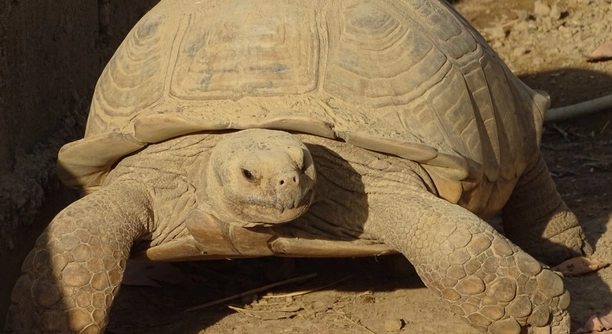
Sulcata tortoises are known for their curious nature and love of exploration. As a pet owner, you may notice your tortoise trying to climb objects in its environment. Understanding why this happens can help you address this behavior.
Tortoises often try to climb objects due to their natural instinct to explore and find higher ground. This behavior is commonly linked to their need for exercise, curiosity, or an attempt to escape their enclosure.
Understanding the factors behind this climbing behavior can help create a more enriching environment for your sulcata tortoise, ensuring its well-being.
Natural Exploration Instincts
Tortoises, like many reptiles, have a strong instinct to explore their surroundings. This drive often leads them to attempt climbing objects within their enclosure. The climbing behavior is usually not a sign of distress or an attempt to escape but rather a manifestation of their curiosity and desire to find new areas to explore. Sulcata tortoises, being the largest species of land tortoises, often need more space and enrichment than smaller species. They are naturally drawn to varied environments, and climbing can be part of their way of exploring these spaces.
This behavior is particularly noticeable if the tortoise is housed in an area with limited space or few objects to interact with. In these cases, your tortoise may be trying to climb objects as a way of satisfying its need for mental and physical stimulation.
Creating a more complex and engaging habitat with natural elements can reduce the need for climbing. Providing rocks, branches, and other items to climb on safely can help mimic the conditions of their natural environment. This can also provide the necessary mental stimulation to keep them happy and healthy.
Enclosure Size and Design
A cramped environment can exacerbate climbing behavior in sulcata tortoises. Without ample space, they will seek ways to entertain themselves and satisfy their natural instincts.
Increasing the size of the enclosure or adding more stimulating features will allow the tortoise to explore safely and reduce the urge to climb objects. If the enclosure lacks hiding spaces, natural objects like logs, plants, and rocks can provide both shelter and opportunities for climbing. Creating a balanced environment will help keep your tortoise engaged without unnecessary climbing.
Environmental Enrichment
Lack of stimulation can cause your tortoise to climb objects. To address this, offer a variety of items to climb on or explore. This could include rocks, logs, or safe branches that allow your tortoise to express its natural behavior. An enriched environment can keep them occupied and prevent excessive climbing.
If your tortoise seems fixated on climbing, it could be a sign they need more variety in their environment. Introducing plants, hiding spots, and textured surfaces will encourage them to use their natural instincts in a healthy way. These changes will also help with their physical health by promoting movement and exploration.
Introducing objects like sturdy branches or logs can provide a climbing structure that mimics their natural habitat. Adding vertical space will keep your tortoise engaged without the risk of escaping or injuring itself. Be sure to avoid objects that could be dangerous or too high for them to climb safely.
Temperature and Comfort
Tortoises also climb objects in search of warmer or cooler areas. If your enclosure lacks proper temperature regulation, they may instinctively seek areas that seem more comfortable. Ensure you have a proper heat gradient and temperature zones to meet their needs.
A temperature range that mimics their natural environment is crucial for a sulcata tortoise. If the enclosure is too cold or lacks warmth in certain areas, they might attempt to climb towards heat lamps or other heat sources. This climbing behavior, in this case, is driven by a need for proper body temperature regulation.
To avoid stress or excessive climbing, maintain a consistent and appropriate temperature. Ensure that the enclosure offers cooler spots for resting and warmer areas for basking. This balance will help your tortoise feel secure and reduce its need to climb for comfort.
Boredom and Stress
Boredom is a major factor in why tortoises climb. Without enough stimulation, they may engage in repetitive behaviors like climbing. A simple solution is to increase the variety of objects and activities in their environment to give them more to explore.
Providing enrichment like hiding food or creating new paths can help prevent climbing out of boredom. In the wild, tortoises would encounter diverse environments, so mimicking that with different textures, objects, and hiding places can keep them mentally engaged and reduce unnecessary climbing. This also helps reduce stress levels.
Health and Well-being
Climbing can sometimes signal discomfort or a desire to escape an unhealthy environment. If your tortoise is constantly attempting to climb, check for signs of illness or discomfort. Ensure the environment is clean and that the tortoise’s physical needs are met.
Proper diet and regular access to clean water are essential for overall well-being. Additionally, offering UVB lighting and safe space for movement will help your tortoise stay healthy, preventing it from using climbing as an outlet for stress. Regular vet checkups are also important to monitor health.
Physical Activity Needs
Tortoises need space to move, stretch, and exercise. If their environment is too small or lacks physical challenges, they may climb in search of more room to explore. Providing larger spaces and safe obstacles can help meet these exercise needs.
It’s important to observe your tortoise’s behavior and adjust the habitat accordingly. Ensure the enclosure allows for a good amount of space to roam, dig, and climb. This helps ensure they stay active and avoid getting restless or frustrated, reducing climbing behavior.
FAQ
Why is my sulcata tortoise constantly climbing?
Climbing is a natural behavior for tortoises, often linked to curiosity or the need for exercise. If your sulcata is constantly climbing, it could be a sign that it is seeking stimulation or simply exploring its environment. Lack of space or an environment that doesn’t meet its physical needs can also trigger this behavior. Adding climbing structures like rocks or logs to the enclosure and making the space more engaging can help curb the climbing. Regular exercise is also important for their health, so providing plenty of space will prevent frustration.
Can climbing harm my sulcata tortoise?
Climbing itself is not inherently harmful, but if your tortoise climbs too high or onto unsafe surfaces, it can result in falls or injury. Be mindful of the objects in your tortoise’s enclosure, making sure they are stable and not too high for it to safely climb. Ensure that climbing objects are secure and avoid sharp or dangerous materials. If your tortoise is regularly trying to climb out of its enclosure, it could also be trying to escape due to stress or discomfort, which should be addressed by adjusting its environment.
How do I prevent my sulcata tortoise from climbing out of its enclosure?
If your sulcata tortoise is attempting to climb out of its enclosure, it may be a sign that the space is too small or lacks adequate enrichment. To prevent escape attempts, ensure the enclosure is large enough and provides plenty of opportunities for exploration. Adding walls or taller barriers that prevent escape and ensuring the tortoise feels secure in its environment will help. You can also add objects like logs, rocks, or branches to provide climbing areas that are safe and engaging without making it feel the need to escape.
Is climbing normal for sulcata tortoises?
Yes, climbing is normal for sulcata tortoises and is part of their natural behavior. In the wild, they may climb rocks, logs, or other natural elements as part of their daily activities. Climbing helps them explore their environment and stay physically active. However, if climbing becomes excessive, it may indicate that the tortoise is seeking more space or mental stimulation. Providing a more complex environment with opportunities to climb safely will mimic their natural habitat and reduce the need to climb excessively.
How can I provide more enrichment for my tortoise?
To provide more enrichment, you can add various objects and structures in your tortoise’s enclosure. Rocks, logs, and branches are great additions, allowing your tortoise to climb and explore. You can also hide food around the enclosure to encourage natural foraging behavior. Changing up the arrangement of items periodically can keep things fresh and exciting for your tortoise. Additionally, providing a shallow water dish and safe plants can add diversity to the environment, keeping your tortoise engaged and happy.
What size enclosure does my sulcata tortoise need?
Sulcata tortoises require a large amount of space due to their size and natural behavior. As a general rule, the minimum enclosure size for an adult sulcata should be at least 100 square feet, but larger is better. If your tortoise is still growing, a smaller space can work, but it should be gradually increased as it grows. Ensuring the enclosure is large enough for your tortoise to move around, climb, and explore is key to preventing climbing behavior related to boredom or frustration. The larger and more varied the space, the better for your tortoise’s health.
Can climbing be a sign of stress?
Yes, climbing can sometimes be a sign of stress, especially if your tortoise is repeatedly trying to escape its enclosure. If the tortoise feels confined, uncomfortable, or its basic needs are not being met, it may try to climb to seek relief. Stress can also be caused by inadequate temperature regulation, improper humidity levels, or a lack of enrichment. Ensuring that your tortoise’s habitat meets all its physical, mental, and environmental needs will reduce stress and discourage climbing as a response to discomfort. Regularly monitoring and adjusting its enclosure will help prevent stress-related climbing behavior.
Do sulcata tortoises climb because they are hungry?
While hunger may not directly cause climbing, tortoises may climb if they are searching for food or a better vantage point. If your sulcata is consistently climbing or trying to escape, it may be looking for food or better access to its food. Offering more stimulating feeding practices, such as hiding food or spreading it out over the enclosure, can address this. Make sure your tortoise has access to a varied and balanced diet to prevent it from becoming frustrated or seeking food elsewhere. Additionally, ensure that food is available regularly and in sufficient quantities.
How often should I clean my sulcata tortoise’s enclosure?
Cleaning your sulcata tortoise’s enclosure regularly is essential for maintaining a healthy environment. It’s recommended to clean the enclosure thoroughly once a week, removing any waste and replacing bedding as needed. Spot cleaning should be done daily, particularly removing uneaten food and waste to keep the space hygienic. A clean environment not only helps prevent illness but also contributes to the overall well-being of your tortoise. Regular cleaning also reduces odors and keeps the enclosure comfortable and inviting for your tortoise.
Can I let my sulcata tortoise roam outside?
Yes, sulcata tortoises can roam outside, but only if the environment is safe and secure. They thrive in outdoor environments that mimic their natural habitat, with plenty of space to roam and forage. However, you need to ensure the outdoor space is secure, as sulcata tortoises are capable of digging and may escape. It’s important to provide shade, fresh water, and a safe, enclosed area where they can roam freely without danger from predators or traffic. If you live in a climate that suits their needs, allowing them outdoor time can be a great way to enrich their lives.
Final Thoughts
Understanding why your sulcata tortoise climbs objects is key to providing it with a healthy, stimulating environment. Climbing is natural behavior, and in the wild, tortoises often climb over rocks and logs as part of their daily routines. This helps them explore and stay physically active. If your tortoise is climbing, it may simply be trying to satisfy its curiosity or get more exercise. However, if this behavior seems excessive or problematic, it’s important to take a step back and evaluate the environment you’ve created. Lack of space, boredom, or even stress can contribute to climbing, and by addressing these issues, you can help your tortoise feel more comfortable and secure.
Creating an environment where your sulcata tortoise feels safe and stimulated is essential. Make sure the enclosure provides enough room for your tortoise to move around freely and climb safely. Adding rocks, logs, and other objects will allow your tortoise to explore and exercise. Regularly changing the layout of the enclosure can also keep things interesting and reduce the need for climbing out of boredom. If your tortoise is trying to escape, ensure that the enclosure is secure and that its needs—such as food, water, and temperature—are being met consistently. By providing a more varied and engaging environment, your tortoise will be less likely to try climbing out of frustration.
Remember that while climbing is part of a sulcata tortoise’s natural behavior, it should always be done in a safe manner. Monitor the objects in the enclosure and ensure they are stable and won’t lead to injury if your tortoise climbs on them. If the climbing becomes excessive, or if your tortoise seems to be trying to escape, it might be an indication that the space is not enough or that it’s stressed. By adjusting the environment, offering more enrichment, and ensuring a secure, spacious enclosure, you can help your sulcata tortoise live a happier, healthier life.

Hello,
If you enjoy the content that we create, please consider saying a "Thank You!" by leaving a tip.
Every little bit helps us continue crafting quality advice that supports the health, happiness, and well-being of pets around the world, for pets of all shapes, sizes, and species.
We really appreciate the kindness and support that you show us!