
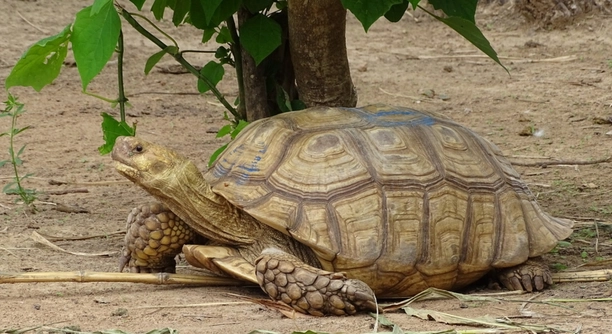
Sulcata tortoises are herbivores, and their diet plays a crucial role in maintaining their health. Offering them a variety of foods is key to meeting their nutritional needs and supporting their long-term well-being.
A varied diet for sulcata tortoises ensures they receive a wide range of essential nutrients, promoting better digestion, a healthy shell, and overall growth. Different foods also prevent dietary imbalances that can lead to health problems such as metabolic bone disease.
Maintaining diversity in their meals is essential for their health and vitality. It is important to consider a balance that addresses all their dietary needs.
Essential Nutrients for Sulcata Tortoises
A varied diet helps ensure sulcata tortoises receive all the necessary nutrients, including fiber, vitamins, and minerals. These nutrients are essential for their growth, strong shell development, and proper digestive health. In the wild, they graze on a variety of grasses and plants, which provides them with a broad range of vitamins and minerals. Without such variety in captivity, their health could deteriorate due to nutritional deficiencies. The right balance of leafy greens, hay, and occasional fruits can mimic their natural diet and help them thrive.
Feeding your sulcata tortoise a diverse diet allows them to get all the key nutrients. For instance, leafy greens offer calcium and vitamins, while hay provides the necessary fiber for digestion.
Incorporating various foods also prevents them from getting bored with the same meals and encourages natural foraging behavior. A consistent variety of foods keeps their system balanced and healthy. It’s essential to provide appropriate portions and monitor their response to ensure they’re getting everything they need.
Preventing Common Health Issues
A lack of dietary diversity can lead to several health issues for sulcata tortoises. Without the proper balance, they might experience metabolic bone disease, soft shells, or even digestive problems. Calcium and vitamin D3 deficiencies are common among those fed a monotonous diet. These issues are often preventable with a mix of high-quality hay, leafy greens, and occasional fruits.
A varied diet allows tortoises to thrive. If fed just one type of food, they could lack crucial nutrients for strong bones and a healthy immune system. By providing different types of foods, you’re supporting their natural needs and promoting long-term health.
Supporting Healthy Digestion
A varied diet aids in maintaining a sulcata tortoise’s digestive health. Fiber-rich foods like hay and leafy greens are essential for proper digestion. These foods help regulate the digestive tract, prevent constipation, and promote healthy bowel movements. It is vital to provide a consistent mix of roughage for optimal gut function.
Feeding your sulcata tortoise a balanced variety of greens ensures they get the fiber needed to prevent bloating and other digestive issues. Some vegetables, such as dandelion greens and collard greens, are high in fiber and support gut health.
Avoid feeding them too many fruits or high-sugar foods as they can upset digestion. Too much fruit may lead to diarrhea, disrupting the balance of their gut flora. Sticking to fibrous vegetables and grass is key for ensuring smooth digestion.
Boosting Immune Function
A well-balanced diet helps strengthen the immune system of sulcata tortoises. By providing different types of foods, you expose them to various antioxidants and vitamins that boost their natural defense system. Vitamin C, in particular, plays a key role in supporting immunity and preventing illness.
Fruits like papaya and certain vegetables are rich in antioxidants that combat oxidative stress. These nutrients help the tortoise’s immune system stay strong and better equipped to fight infections. A variety of plants ensures that your tortoise is getting a full spectrum of these essential nutrients.
Regularly offering different food types, like leafy greens, flowers, and certain fruits, helps provide those vital immune-boosting nutrients. It’s important not to feed fruits too often but as occasional treats to enhance their immune support while maintaining balance.
Promoting Strong Shell Growth
A diverse diet helps ensure strong shell development for sulcata tortoises. Nutrients like calcium and phosphorus are crucial for shell health. Offering a variety of leafy greens and grasses provides these essential minerals, preventing soft or malformed shells.
Consistently providing calcium-rich foods, such as kale, collard greens, and cactus pads, supports shell hardening. These foods, combined with UVB lighting, help ensure proper absorption of calcium, promoting a stronger, healthier shell over time.
Feeding your tortoise a wide range of foods with adequate calcium helps prevent issues like shell deformities. Regular dietary variety is key to sustaining healthy shell growth.
Maintaining Hydration
A varied diet also aids in maintaining hydration levels for sulcata tortoises. Many plants, such as dandelion greens and lettuce, contain high water content. These help keep tortoises hydrated, especially in hot climates.
Incorporating moisture-rich foods into their diet can reduce the need for frequent water changes. This makes it easier for tortoises to stay hydrated without additional stress. Foods with a high water content support overall health and digestion.
Encouraging Natural Foraging Behavior
Providing a variety of food mimics the natural foraging behavior of sulcata tortoises. In the wild, they spend a significant amount of time searching for different types of plants. By offering a mix of grasses, flowers, and vegetables, you allow them to exercise this instinct.
Variety in their diet also provides mental stimulation. Foraging helps tortoises stay active and engaged with their environment. This promotes overall well-being, as they are more likely to remain physically and mentally healthy when given the opportunity to forage naturally.
FAQ
What foods should I feed my sulcata tortoise daily?
A good daily diet for a sulcata tortoise includes a variety of leafy greens like dandelion greens, kale, and collard greens, along with grasses and hay. You can occasionally offer flowers like hibiscus and safe vegetables, such as cactus pads. Avoid fruits as a regular part of their daily diet, but they can be given as treats once or twice a week. It’s important to ensure the foods are free of pesticides.
How often can I feed fruits to my sulcata tortoise?
Fruits should only be offered once or twice a week, as part of a varied diet. Too much fruit can lead to digestive problems like diarrhea due to its high sugar content. Fruits should not make up more than 10-15% of your tortoise’s overall diet. Stick to low-sugar fruits like berries and avoid high-sugar options like bananas or grapes.
Can I feed my sulcata tortoise lettuce?
You can feed your sulcata tortoise lettuce, but not all types are equally beneficial. Romaine lettuce is fine in moderation, but iceberg lettuce has little nutritional value and can cause diarrhea. Offer lettuce as part of a balanced diet with other nutritious leafy greens. Mix it up to ensure they get all the necessary nutrients.
Is it okay to feed my sulcata tortoise carrots?
Carrots are safe to feed, but they should be given sparingly. Carrots are high in beta-carotene, which is good for your tortoise in moderation, but excessive amounts may lead to an imbalance. Shredding the carrot can help with digestion, and it’s best to mix it with other leafy greens for variety.
Can I give my sulcata tortoise flowers?
Yes, many flowers are safe for tortoises, and they can be an enjoyable and nutritious addition to their diet. Safe options include hibiscus, dandelions, and clover. Always make sure that the flowers are pesticide-free, as chemicals can be harmful to your tortoise. Flowers can be offered several times a week.
Should I feed my sulcata tortoise protein?
Sulcata tortoises are primarily herbivores, so protein should be limited in their diet. Protein can come from plants, like legumes, but it should not be a primary food source. Too much protein can lead to kidney problems and shell deformities. Stick to a plant-based diet with minimal animal protein.
How do I ensure my sulcata tortoise is getting enough calcium?
Calcium is crucial for a sulcata tortoise’s shell and bone health. To provide adequate calcium, offer calcium-rich foods like collard greens, kale, and dandelion greens. Additionally, a calcium supplement may be necessary, especially if your tortoise isn’t getting enough from its diet. Be sure to dust food with calcium powder twice a week.
Can I feed my sulcata tortoise hay?
Yes, hay is a key part of your sulcata tortoise’s diet. It provides necessary fiber that aids in digestion and helps prevent health problems like obesity and constipation. Grass hay, such as timothy hay or meadow hay, should be available at all times. It’s a staple food for their diet and can be the foundation of their meals.
Is it necessary to provide variety in my sulcata tortoise’s diet?
Yes, offering a varied diet is crucial for your tortoise’s health. Different foods provide a range of vitamins, minerals, and nutrients that ensure overall well-being. A lack of variety can lead to nutritional deficiencies and health problems, so it’s important to feed a mixture of greens, vegetables, and safe flowers regularly.
How can I tell if my sulcata tortoise is eating enough?
You can monitor your sulcata tortoise’s health by observing their weight, shell condition, and overall behavior. A healthy tortoise should eat regularly and have a firm, smooth shell. If your tortoise seems lethargic, loses weight, or refuses to eat, it may indicate that something is wrong with its diet or health.
What should I avoid feeding my sulcata tortoise?
Avoid feeding your sulcata tortoise any processed foods, high-oxalate plants like spinach, and high-sugar fruits like bananas or grapes. Also, avoid any toxic plants, such as rhubarb, azaleas, or poinsettias. Never feed them food with pesticides or chemicals. Stick to natural, safe greens, grasses, and other recommended vegetables and flowers.
Can I feed my sulcata tortoise commercial food?
While commercial tortoise food can be used as a supplement, it should not be the primary source of food. Many commercial foods are high in protein or low in fiber. It’s best to focus on a diet made from fresh, natural ingredients like leafy greens, hay, and safe vegetables. Always check the label for any additives.
How do I make sure my sulcata tortoise gets enough water?
Sulcata tortoises often get most of their water intake from their food, especially moisture-rich plants like lettuce and dandelions. However, you should always provide access to fresh water in a shallow dish, ensuring it’s changed regularly to prevent contamination. Bathing your tortoise a couple of times a week is also helpful for hydration.
Can my sulcata tortoise eat grass?
Yes, sulcata tortoises can and should eat grass. In fact, grass makes up a large part of their diet in the wild. It’s high in fiber and low in nutrients like sugar, which makes it ideal for digestive health. Provide access to grass whenever possible, ensuring it’s free of chemicals.
Final Thoughts
Sulcata tortoises require a varied diet to maintain their health and well-being. It’s important to provide a balanced mix of leafy greens, grasses, and occasional flowers while limiting protein and fruit intake. A diet rich in fiber supports proper digestion and helps prevent obesity, which is a common concern for captive tortoises. By offering the right foods in the correct proportions, you’ll ensure your sulcata tortoise has the nutrients it needs for a long and healthy life.
In addition to providing proper food, ensuring your tortoise has access to fresh water is essential. Although they can get some hydration from their food, a shallow water dish should always be available. Regular baths can also assist with hydration and help prevent shell problems. It’s important to remember that variety is key. A consistent routine with different types of safe, natural foods helps prevent nutritional deficiencies and promotes overall well-being. By being mindful of your sulcata tortoise’s dietary needs, you’re supporting a strong, healthy shell and a happy, active life.
Taking care of a sulcata tortoise requires attention to detail when it comes to its diet. Offering foods such as dandelion greens, cactus pads, and timothy hay will provide the proper nutrients your tortoise needs. Avoiding processed foods and pesticides is also crucial to their health. Regularly changing their water, providing a balanced diet, and paying attention to their weight and shell condition are all important aspects of maintaining their health. When you make diet a priority, your sulcata tortoise will thrive.

Hello,
If you enjoy the content that we create, please consider saying a "Thank You!" by leaving a tip.
Every little bit helps us continue crafting quality advice that supports the health, happiness, and well-being of pets around the world, for pets of all shapes, sizes, and species.
We really appreciate the kindness and support that you show us!