
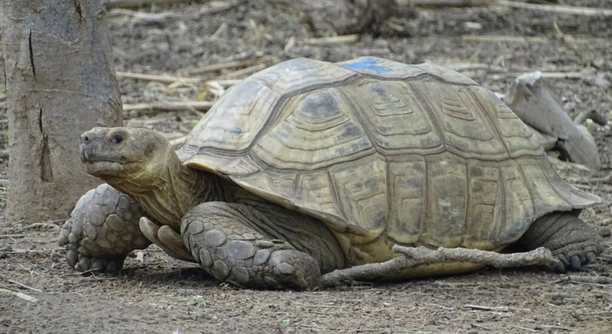
A Sulcata tortoise, also known as the African spurred tortoise, requires special care during colder months. Ensuring they stay warm in winter is essential for their health and well-being. Let’s take a look at how to keep them cozy.
To keep your Sulcata tortoise warm in winter, provide a consistent heat source with basking lights, UVB lighting, and heated shelters. It’s crucial to maintain a warm environment, avoiding drafts and providing a proper temperature range.
There are various ways to ensure your tortoise stays comfortable during the colder months. From adjusting its habitat to using effective heating methods, we’ll walk you through everything you need to know.
Provide a Heated Shelter
During winter, it’s important to set up a warm space for your Sulcata tortoise. An outdoor enclosure can be suitable as long as it is properly heated. You can use a heat lamp to keep the area warm, but be sure to place it in a spot where your tortoise can move in and out of the heat. Consider adding insulation to the shelter, such as foam board, to maintain warmth and block out drafts. It’s essential that the shelter is large enough for the tortoise to roam comfortably, but also small enough to trap warmth effectively.
If your Sulcata tortoise is housed indoors, place it in a heated room away from any cold drafts. You can use a space heater to keep the temperature stable and safe. Make sure that the temperature stays between 75 and 85°F (24 to 29°C) during the day, and drops no lower than 65°F (18°C) at night.
Being consistent with temperature control is the key to keeping your tortoise safe during the colder months. Without proper warmth, your Sulcata may experience stress, lack of appetite, and other health issues. Therefore, taking extra care to provide a warm, insulated area is crucial to its well-being during winter.
Use a Basking Lamp
A basking lamp is a great tool for providing additional warmth to your Sulcata tortoise. Place the lamp in one corner of the enclosure so your tortoise can move between warm and cooler areas. Make sure it doesn’t get too close to the lamp to avoid burns.
A good basking lamp mimics the sun’s natural heat, allowing your tortoise to bask and regulate its body temperature. You’ll want to keep the basking spot between 95 and 100°F (35 to 38°C) to encourage healthy digestion and overall warmth.
Use an Under-Tank Heater
Under-tank heaters are another option for keeping your Sulcata tortoise warm. These heaters provide consistent, gentle warmth directly to the bottom of the enclosure, which helps regulate the tortoise’s body temperature. They are easy to install and can be placed under the substrate for safety.
Make sure the heater covers an adequate portion of the tank’s floor. This allows your tortoise to move across the surface and find the perfect temperature zone. With the right placement, an under-tank heater ensures a comfortable warm spot without overheating the environment.
It’s also important to use a thermostat with your under-tank heater. This helps maintain a stable temperature and prevents the heater from getting too hot. Overheating can be harmful, so always check the temperature regularly to ensure it’s within the safe range for your Sulcata tortoise.
Insulate the Enclosure
Insulation is a simple but effective way to keep your tortoise warm during the colder months. Adding insulation to the walls and roof of the enclosure helps trap heat and prevent drafts from entering. You can use foam boards or even blankets to provide extra protection.
When insulating, make sure the materials are safe and breathable. Over-insulating the enclosure can sometimes cause too much heat to build up, so it’s important to monitor the temperature closely. Providing a layer of protection will help keep the temperature steady, especially during the night when temperatures tend to drop.
Make sure the insulation does not cover the basking area, as your tortoise still needs access to direct heat. By balancing insulation with heating, your tortoise will have a comfortable environment to thrive in, even when winter sets in.
Provide Proper Lighting
Your Sulcata tortoise needs both heat and light to stay healthy. A UVB light is essential for their well-being, especially in winter when sunlight is limited. UVB light helps with calcium absorption, which is critical for bone health.
Make sure the UVB light is on for 10 to 12 hours each day to mimic natural sunlight. This will ensure your tortoise gets the necessary exposure to stay active and healthy. Keep the light at an appropriate distance to avoid overheating or burning the tortoise.
It’s important to replace the UVB bulb regularly, as its effectiveness decreases over time. Be sure to monitor your tortoise for signs of insufficient lighting, such as lethargy or lack of appetite, which can indicate a need for better UVB exposure.
Monitor Humidity Levels
Humidity is another factor to consider when keeping your tortoise warm. While Sulcata tortoises are native to dry climates, they still need some humidity to stay healthy. Dry air can lead to dehydration and respiratory problems.
Using a hygrometer to measure humidity is a great way to keep track. Ideally, the humidity should be around 30-50% to maintain a balance between warmth and dryness. If it drops too low, use a humidifier or mist the enclosure lightly to increase the moisture in the air.
FAQ
How cold is too cold for a Sulcata tortoise?
Sulcata tortoises are sensitive to temperatures that drop below 65°F (18°C). Prolonged exposure to cold temperatures can lead to health issues like respiratory problems or even hibernation-like conditions, which are dangerous for them. If the temperature in your tortoise’s habitat consistently falls below this, it’s crucial to provide a heated shelter and ensure the environment remains stable.
Can I leave my Sulcata tortoise outside during winter?
While it’s possible to keep a Sulcata tortoise outside in the winter, this should only be done in areas with mild winters. If temperatures drop significantly, it’s best to bring your tortoise indoors to avoid exposing it to freezing conditions. Ensure that your outdoor enclosure has proper insulation and a reliable heat source if you decide to keep it outside.
What is the best temperature range for a Sulcata tortoise?
The ideal temperature range for a Sulcata tortoise during the day is between 75-85°F (24-29°C). At night, temperatures should not drop below 65°F (18°C). For basking areas, a temperature of 95-100°F (35-38°C) is perfect. Maintaining this range helps ensure that your tortoise stays healthy and active.
Can I use a space heater for my Sulcata tortoise?
Yes, a space heater can be an effective way to warm the room where your tortoise is housed. However, it’s important to keep the heater at a safe distance to prevent overheating. Always monitor the temperature closely with a thermostat and ensure there are no cold drafts in the area.
How long should I keep the heat on for my Sulcata tortoise?
Heat should be provided throughout the day to mimic natural sunlight. Keep the heating elements on for about 10-12 hours a day, depending on your local environment. During the night, it’s okay for the temperature to drop a few degrees, but it should never fall below the safe minimum of 65°F (18°C).
Do Sulcata tortoises need UVB light in the winter?
Yes, UVB lighting is essential year-round, including winter. UVB light helps your Sulcata tortoise produce vitamin D3, which is necessary for calcium absorption and bone health. Since natural sunlight is often limited in winter, using a UVB lamp in their enclosure ensures they get the proper exposure for their well-being.
Is it okay to hibernate my Sulcata tortoise?
Sulcata tortoises do not naturally hibernate and should not be allowed to enter a hibernation-like state. This can lead to serious health problems, especially if they are not prepared for it. Keeping them in a warm, stable environment throughout the winter is crucial for their survival.
How do I prevent my Sulcata tortoise from getting too cold at night?
To prevent your Sulcata tortoise from getting too cold at night, ensure the enclosure is properly insulated. Use heating pads or ceramic heat emitters to maintain warmth. You can also use a nighttime heat source that doesn’t emit light, like a red bulb, which won’t disrupt their sleep patterns.
Can I use a heating pad for my Sulcata tortoise?
Yes, heating pads can be used to provide warmth in your Sulcata tortoise’s enclosure. However, they should be placed under the substrate, not directly on top, to avoid burns. It’s important to monitor the temperature to ensure it remains within the safe range for your tortoise.
What should I do if my Sulcata tortoise is acting lethargic in the winter?
If your Sulcata tortoise is acting lethargic, check the temperature and lighting in the enclosure. Make sure the heat and UVB light are functioning properly. Lethargy can be a sign of inadequate warmth or lighting. If the problem persists, it may indicate a health issue, and you should consult a veterinarian.
How often should I check the temperature of my Sulcata tortoise’s enclosure?
You should check the temperature of your Sulcata tortoise’s enclosure at least once or twice a day, especially during the colder months. Use a reliable thermometer to ensure the temperature remains within the recommended range. This ensures your tortoise is not exposed to harmful conditions.
Can I use a regular light bulb instead of a basking lamp?
While a regular light bulb can provide some heat, it is not ideal for a Sulcata tortoise. A proper basking lamp is designed to emit heat in a concentrated area, allowing your tortoise to regulate its body temperature. Regular bulbs don’t provide the necessary warmth or UVB light your tortoise needs.
Should I mist my Sulcata tortoise’s enclosure in the winter?
It’s generally not necessary to mist your Sulcata tortoise’s enclosure unless humidity levels are too low. Misting can be beneficial in dry climates but should be done sparingly. Over-misting can create excess moisture, leading to respiratory issues or mold growth. Monitor humidity levels and adjust as needed.
Taking care of a Sulcata tortoise during the winter requires extra attention and effort, but with the right steps, you can ensure they stay healthy and comfortable. One of the most important things to focus on is keeping their environment warm. Sulcata tortoises are cold-blooded, meaning they rely on external heat sources to regulate their body temperature. Without the proper warmth, they can suffer from stress or even serious health issues. Ensuring your tortoise has access to a heated shelter and a reliable heat source is essential for their well-being during the colder months.
Along with heat, it’s also crucial to maintain the proper lighting and humidity levels. UVB lighting is necessary for your tortoise to properly absorb calcium and maintain strong bones. Even in winter, when natural sunlight is less available, artificial UVB lights help fill the gap. You should also monitor the humidity levels in the enclosure to prevent dehydration or respiratory issues. Although Sulcata tortoises are from dry climates, maintaining the right amount of humidity, especially during winter, is still important for their health. This balanced environment supports their immune system, digestion, and overall energy levels.
Lastly, always remember to check on your tortoise regularly. This means ensuring their temperature, lighting, and humidity are in the correct range and making adjustments as needed. Your Sulcata tortoise will likely spend more time indoors during the winter, so having a comfortable, safe space for them is key. By providing a heated area, appropriate light, and maintaining the right humidity, you can help your tortoise thrive through the cold months. It may take a bit of extra work, but the effort is well worth it to keep your tortoise happy and healthy.

Hello,
If you enjoy the content that we create, please consider saying a "Thank You!" by leaving a tip.
Every little bit helps us continue crafting quality advice that supports the health, happiness, and well-being of pets around the world, for pets of all shapes, sizes, and species.
We really appreciate the kindness and support that you show us!