
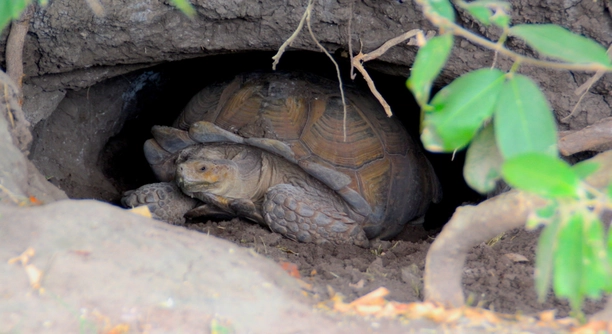
Sulcata tortoises are fascinating creatures with unique behaviors that often puzzle their owners. One common question many new tortoise parents have is why their sulcata is always trying to hide.
The most common reason for a sulcata tortoise trying to hide is stress, discomfort, or seeking a safe space. Environmental factors like sudden temperature changes, loud noises, or an inadequate habitat can contribute to this behavior.
Understanding the cause of this hiding behavior is key to creating a healthier, more comfortable environment for your tortoise. The next section will cover factors to consider when addressing this concern.
Environmental Stressors Affecting Your Tortoise
Sulcata tortoises, like many reptiles, are sensitive to their surroundings. If the temperature or humidity in their habitat fluctuates too much, it can cause them stress, leading them to seek out a hiding place. They are creatures of habit and feel safest in environments where they can control their exposure to external factors. Whether it’s a drafty area, too much direct sunlight, or extreme temperature changes, your tortoise may hide to escape discomfort.
Sometimes, even simple changes, like a rearranged enclosure or unfamiliar objects, can unsettle them. Tortoises have a slow and steady nature, and anything sudden can throw them off balance. To prevent this, it’s important to keep their space stable and consistent.
If you’re unsure whether your habitat is ideal, consider using a thermometer and hygrometer to check if your tortoise’s environment meets their needs. Maintaining a warm, consistent temperature between 85–90°F during the day, with a cooler area for nighttime, can help them feel at ease. Additionally, providing a hide or shelter in their habitat can help them feel secure and reduce stress.
Social and Behavioral Factors
Tortoises are solitary creatures by nature, so they may also hide when they feel overwhelmed by too much human interaction.
If your tortoise seems to hide frequently, it could be due to overhandling or loud noises. They appreciate a peaceful environment where they can go about their day without disruption. Avoiding too much direct interaction allows them to feel more in control and reduces unnecessary stress. Just like with other animals, respecting their need for space and quiet time can improve their well-being.
It’s also worth noting that sulcata tortoises are more active during certain times of the day, typically early morning and late afternoon. If your tortoise is hiding during other times, it might simply be resting. Always make sure they have a space where they can retreat and feel safe.
Health Concerns That Can Lead to Hiding
If your sulcata tortoise is hiding more often than usual, health issues may be the reason. Illness, injury, or discomfort can make them seek isolation to recover or avoid being disturbed.
Tortoises are skilled at hiding signs of illness. It’s important to monitor their eating habits, movement, and behavior closely. If you notice any unusual signs such as loss of appetite, lethargy, or swollen limbs, it could indicate a health problem. Check for signs of respiratory infections, parasites, or shell damage. If you suspect any health issues, a visit to a reptile vet is essential for a proper diagnosis and treatment.
Injuries, such as shell cracks or sprains, can also cause them to retreat. A slow-moving tortoise might be trying to protect a sensitive area. Observing your tortoise’s behavior carefully and noting any changes is crucial to spotting potential health concerns early on.
Proper Habitat Setup to Prevent Hiding
A well-maintained habitat is key to preventing stress and promoting a healthy environment for your sulcata.
Ensure your tortoise has enough space to roam and explore, as a cramped enclosure can lead to anxiety. A properly sized enclosure should allow for both warm and cooler areas, and a hide can help them feel safe. The substrate should be soft yet sturdy enough for them to burrow, as they naturally do this in the wild. Adequate lighting is important too, as it simulates the sun’s UV rays, promoting proper digestion and bone health.
It’s essential to have consistent temperature control in the habitat. Sulcatas need a basking area between 95–100°F and a cooler area around 75°F to regulate their body temperature. Lighting and temperature control are not only vital for health but also influence their behavior. When their habitat is properly set up, your tortoise will feel comfortable and less likely to seek hiding places.
Natural Behavior: Hiding as a Safety Mechanism
Hiding can be a natural instinct for sulcata tortoises, especially when they feel threatened or insecure. They may seek cover to protect themselves from perceived dangers.
In the wild, sulcatas instinctively retreat into burrows or under rocks to stay safe from predators. This behavior often carries over into captivity. Even if there’s no immediate threat, your tortoise might hide to feel secure, especially in a new or unfamiliar environment. It’s important to provide areas where they can feel hidden and safe, which helps them feel in control.
Overheating and Hiding
Overheating can also lead to your tortoise seeking shelter.
If the temperature in their enclosure becomes too high, sulcata tortoises may hide to cool down. A proper temperature gradient in the habitat helps them regulate their body temperature, but if that’s not present, they may attempt to escape the heat. Keep an eye on the ambient temperature, especially during warm months.
Diet and Hiding Behavior
Diet can impact how often your tortoise hides. A poor diet may lead to stress or digestive problems.
A balanced diet is crucial for your sulcata’s health. If they are not eating enough or are eating the wrong foods, they might feel uncomfortable and hide. Regularly provide fresh, fibrous foods such as grasses and hay to keep them healthy.
FAQ
Why is my sulcata tortoise always hiding?
Hiding can stem from several factors, including stress, discomfort, or the need for privacy. If there are changes in the environment, such as temperature fluctuations or loud noises, your sulcata may retreat to feel safe. Stress from overhandling or a lack of space can also trigger this behavior. Ensure their habitat is stable and provides adequate hiding spaces to help them feel secure.
How can I tell if my tortoise is sick or just hiding?
It can be tricky to differentiate between hiding due to illness or natural behavior. If your tortoise is hiding more than usual, look for other signs like loss of appetite, lethargy, labored breathing, or changes in their shell or skin. If you notice any of these symptoms, it’s important to take them to a reptile vet. Regular monitoring and keeping an eye on their behavior and health can help detect illness early.
What should I do if my sulcata tortoise stops eating and hides?
If your sulcata stops eating and hides, it’s a sign something might be wrong. Stress, temperature changes, or illness could be the cause. First, check their habitat conditions, ensuring the temperature and humidity are appropriate. If the environment is fine and they continue hiding and refusing food, consult a vet to rule out any health issues.
Is it normal for my tortoise to hide all day?
It’s normal for tortoises to seek shelter during certain times of the day, especially if they’re feeling tired or trying to avoid heat. However, if your sulcata hides all day and shows little to no interest in food or water, it may be a sign of stress, boredom, or illness. Keep an eye on their behavior and make sure their habitat conditions are ideal for their needs.
How can I improve my sulcata’s habitat to prevent hiding?
A proper habitat setup is key to reducing hiding behavior. Make sure your sulcata has enough space to roam and explore. Create a temperature gradient in their enclosure with a warm basking area and a cooler retreat. Adding rocks, hides, and soft bedding will provide secure spots for your tortoise to feel safe without excessive hiding. A consistent environment will help your tortoise feel comfortable and less stressed.
Can too much handling cause my tortoise to hide?
Yes, excessive handling can cause stress in sulcata tortoises, making them hide more often. While they can tolerate gentle interaction, they are not social creatures and can become overwhelmed with too much attention. Allow your tortoise to explore at its own pace and only handle them when necessary to avoid causing anxiety.
Should I be concerned if my tortoise hides during the winter?
It’s common for tortoises to hide more during colder months. In the wild, sulcata tortoises may dig burrows to avoid cooler temperatures. During winter, their activity level often decreases, and they may retreat to warmer areas of their habitat. Ensure your tortoise has a warm, comfortable space to stay active and healthy through the colder season. If they remain inactive for extended periods or refuse to eat, check for any health issues.
How often should I check on my tortoise if they’re hiding frequently?
It’s important to check on your sulcata regularly, especially if they are hiding frequently. Monitor their behavior closely to detect any signs of illness or discomfort. Look for changes in appetite, movement, and overall activity levels. If your tortoise is hiding more than usual and showing signs of distress, a vet visit may be necessary.
Why does my sulcata tortoise hide under its basking light?
Hiding under a basking light is likely because your tortoise is trying to regulate its body temperature. Sulcatas need warmth to stay healthy, and they will often seek out the basking area when they need to raise their body temperature. If they hide under the light for extended periods, make sure the temperature isn’t too high and they can still access cooler areas.
How do I prevent my sulcata from being too stressed and hiding often?
To prevent stress, ensure your sulcata has a consistent environment. Avoid sudden changes in temperature, humidity, or enclosure layout. Provide a variety of spaces for your tortoise to explore and hide when needed. Minimize loud noises and handling, and give them time to rest and feel safe. A well-balanced diet and proper habitat care will help keep your sulcata healthy and comfortable.
Final Thoughts
Understanding why your sulcata tortoise hides is an important part of being a responsible owner. It can be a natural behavior linked to stress or discomfort, or it might be a sign that something isn’t quite right in their environment. Since sulcatas are naturally solitary animals, they sometimes seek out places to retreat when they feel overwhelmed. This could be due to changes in temperature, loud sounds, or even too much handling. Monitoring their surroundings and behavior closely can give you clues as to what’s causing the hiding.
Sometimes, hiding can also be linked to health issues. Tortoises are good at hiding pain or illness, so it’s essential to pay attention to any other signs like a lack of appetite, lethargy, or changes in their skin and shell. If your tortoise continues to hide and shows signs of distress, it’s always a good idea to seek the advice of a vet. Health problems can be tricky to spot at first, so it’s better to address any concerns early before they become bigger issues.
Overall, creating a safe and comfortable space for your tortoise is key. This means providing a stable habitat with the right temperature, humidity, and enough space to roam. Offering places to hide and rest can help reduce stress and make your sulcata feel secure. By paying attention to their behavior and keeping their environment in check, you can ensure your sulcata tortoise stays happy and healthy.

Hello,
If you enjoy the content that we create, please consider saying a "Thank You!" by leaving a tip.
Every little bit helps us continue crafting quality advice that supports the health, happiness, and well-being of pets around the world, for pets of all shapes, sizes, and species.
We really appreciate the kindness and support that you show us!