
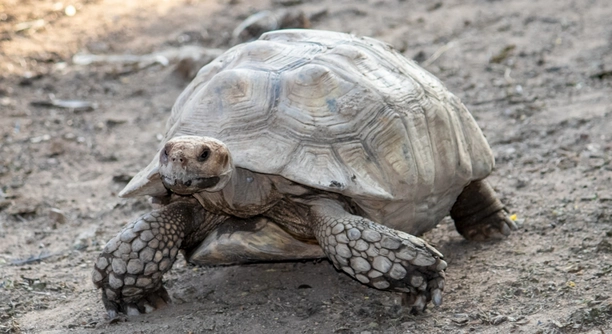
If you’ve noticed your sulcata tortoise pacing back and forth, you may be wondering why this behavior is occurring. Understanding your tortoise’s habits can help provide insight into its needs and well-being.
The pacing behavior in sulcata tortoises is often a result of environmental stress, lack of stimulation, or natural instincts. This can also happen due to insufficient space, an unbalanced diet, or even feelings of insecurity in their habitat.
Understanding why this occurs can guide you in creating a more comfortable and enriching environment for your tortoise. Let’s explore the key factors contributing to this behavior and how you can address them.
Understanding the Pacing Behavior
Sulcata tortoises can pace back and forth for several reasons, many of which are tied to their natural instincts. These tortoises are used to large open spaces in the wild, and when kept in a confined area, they may start pacing as a way of exploring their surroundings. They are also driven by the need to find food or mates. In captivity, this behavior can sometimes be a sign that they feel restricted or unsettled in their environment. They might not have enough room to roam, or there might be too many distractions in their space.
Additionally, pacing can be a result of changes in their routine or environment. If there’s been a recent move or a change in temperature, sulcata tortoises may become anxious and pace as a way to express this discomfort. They thrive in predictable conditions, and even small disruptions can cause noticeable behavioral changes.
Ensuring that your tortoise has a spacious, stable environment can help reduce pacing. A well-sized enclosure with consistent temperatures and humidity levels can make your tortoise feel more secure. It’s also a good idea to provide a variety of textures and hiding spots to create a more engaging environment. These factors can help reduce stress and discourage pacing behavior.
Lack of Stimulation
If a sulcata tortoise is pacing, it might also be because they’re bored. Unlike some other pets, tortoises require mental stimulation and enrichment to stay happy and healthy. Without enough to keep them busy, they may pace as a sign of frustration.
Adding toys, climbing structures, and even new places to explore can help keep their minds active. If they have access to new areas, they may feel more engaged, reducing the urge to pace. Proper stimulation and variety in their environment can lead to a happier, more relaxed tortoise.
Space Constraints
If a sulcata tortoise doesn’t have enough room to roam, it will likely begin pacing. These tortoises are one of the largest species, and they need a lot of space to explore and feel comfortable.
A small or cramped enclosure can make your tortoise feel restricted. It will often pace in an attempt to find more space, or it may simply be unable to settle down. Providing a larger, more open area can help alleviate this issue. Aim for at least 100 square feet of space per adult tortoise. A spacious environment gives them room to move around and feel less anxious.
Tortoises are naturally curious creatures. If they feel trapped in a confined space, pacing becomes a coping mechanism. Offering a larger space is one of the best ways to improve your tortoise’s quality of life. A bigger area will also help them maintain better health by encouraging exercise, which is essential for their well-being.
Temperature and Humidity Issues
Sudden changes in temperature or humidity can make a sulcata tortoise uncomfortable and lead to pacing. These animals require specific conditions to feel safe and relaxed.
Sulcata tortoises are native to hot, dry regions, so they need a warm environment to thrive. The temperature should range from 80-95°F during the day, with a basking spot reaching up to 100°F. A drop in temperature can make them anxious, prompting pacing. Humidity should be kept at a level that isn’t too high, as it can affect their health and behavior.
If your tortoise’s enclosure is too cold or too humid, it will not be comfortable and may start pacing as a result. Ensuring that your tortoise’s habitat stays within the ideal range for both temperature and humidity can help maintain its comfort and reduce pacing behaviors. A temperature gradient and proper humidity are crucial for your tortoise’s overall health.
Stress or Anxiety
A sulcata tortoise may pace when it’s feeling stressed or anxious. Changes in its environment, loud noises, or a new companion can trigger this behavior.
Tortoises are creatures of habit, so anything that disrupts their routine or comfort zone can lead to pacing. Keeping their environment as stable and predictable as possible will help reduce stress.
Providing plenty of hiding spots and ensuring they have a quiet, calm space can reduce anxiety and make your tortoise feel more secure. Stress is often the result of feeling unsafe or overwhelmed.
Health Issues
Sometimes pacing is a sign of an underlying health issue. It could be related to digestion, shell problems, or other discomforts.
If your tortoise has been pacing for an extended period or shows other signs of illness, a visit to the vet may be necessary.
FAQ
Why is my sulcata tortoise pacing back and forth?
Pacing in sulcata tortoises is often a sign of stress, boredom, or environmental discomfort. It could be due to limited space, improper temperature, or an unstable environment. These tortoises are used to roaming freely, so if they feel confined, they may pace to explore. Also, changes in their surroundings or routine, such as new noises or unfamiliar smells, can cause pacing as a response to anxiety.
How can I stop my tortoise from pacing?
To stop your tortoise from pacing, ensure it has enough space to move around comfortably. A larger enclosure, ideally 100 square feet or more for an adult sulcata, can reduce pacing behavior. Additionally, keep the habitat’s temperature and humidity consistent to avoid stress. Offering enrichment such as climbing structures, hiding spots, and varied surfaces for exploration can help relieve boredom and make your tortoise feel more engaged.
Is it normal for a sulcata tortoise to pace at night?
Yes, it can be normal for sulcata tortoises to pace at night. These tortoises are naturally more active during dawn and dusk in the wild, and pacing could be a result of their instincts. However, if the pacing is excessive or seems linked to other signs of distress, like not eating or lethargy, it could indicate environmental issues or health concerns.
Could pacing be a sign of health problems?
In some cases, pacing can be related to underlying health issues. If your sulcata tortoise is pacing excessively, especially combined with signs like lack of appetite, lethargy, or changes in behavior, it’s important to check for physical issues like shell rot or digestive problems. A visit to the vet will help rule out any health concerns and ensure your tortoise is in good shape.
Does my sulcata tortoise need a companion to stop pacing?
Sulcata tortoises are generally solitary animals and do not require a companion to be happy. While they may benefit from occasional social interaction, most tortoises prefer to live alone. Introducing a companion may cause stress and territorial behavior, which could lead to more pacing. It’s better to focus on providing them with a stimulating environment and enough space to feel secure.
What should I do if my tortoise stops eating and starts pacing?
If your tortoise stops eating and starts pacing, it may be a sign of stress or illness. The first step is to check for environmental factors such as temperature, humidity, and space. If the conditions are suitable, it’s possible that your tortoise is experiencing an underlying health problem. A lack of appetite combined with pacing should be addressed by a veterinarian, as it can indicate digestive issues, dehydration, or other health concerns.
How much space does a sulcata tortoise need?
Sulcata tortoises are large and require a lot of space to move around. For an adult tortoise, you should provide at least 100 square feet of space. The larger the enclosure, the better, as it allows them to roam, graze, and explore, which helps reduce pacing. Make sure the enclosure is secure to prevent escape attempts.
Can temperature fluctuations cause pacing in sulcata tortoises?
Yes, sulcata tortoises are sensitive to temperature fluctuations. If their habitat becomes too cold or too hot, they may pace as a response to discomfort. To keep your tortoise comfortable, maintain a temperature range of 80-95°F during the day, with a basking area around 100°F. If temperatures are not properly regulated, pacing can become more frequent.
How can I tell if my tortoise is pacing due to stress or boredom?
If your tortoise is pacing repeatedly without any other signs of distress, it’s likely a sign of boredom or lack of stimulation. To confirm this, observe if it engages with its environment when given opportunities, such as climbing structures, hiding places, or new textures to explore. If the pacing stops after introducing more enrichment, boredom is the likely cause. However, if it continues with no change in behavior, environmental factors or stress might be to blame.
What can I do to keep my tortoise entertained?
To keep your sulcata tortoise entertained, offer different textures, objects to climb on, and areas to hide. Changing up their environment by adding plants, rocks, and new surfaces will create a more stimulating space. You can also provide activities like hiding food or offering new things to investigate. Regularly rotating the objects in their enclosure will keep them curious and help avoid boredom.
Final Thoughts
Pacing in sulcata tortoises is a natural behavior, but it’s important to consider the reasons behind it. Whether it’s due to stress, lack of space, or environmental factors, understanding what’s causing this behavior is key to addressing it effectively. These tortoises need a spacious, stable environment to feel secure and comfortable. If they’re pacing, it might be because they feel restricted, bored, or stressed. Paying attention to their enclosure and routine is a good first step in resolving the issue.
Creating a comfortable habitat is crucial for your tortoise’s well-being. Make sure they have enough space to roam, at least 100 square feet for an adult sulcata. The temperature and humidity should also be kept within a suitable range, as improper conditions can cause anxiety or discomfort. Regularly monitor their environment and ensure it stays stable to prevent unnecessary stress. Additionally, offering enrichment like climbing structures, hiding spots, and varied textures can help keep them mentally engaged and reduce pacing.
If your tortoise continues to pace despite making adjustments to its environment, it’s a good idea to visit a vet. Sometimes pacing can be a sign of health problems, and a professional can help determine if there’s an underlying issue. Overall, being mindful of your tortoise’s needs and making small changes to its environment can go a long way in reducing pacing and ensuring a happier, healthier tortoise.

Hello,
If you enjoy the content that we create, please consider saying a "Thank You!" by leaving a tip.
Every little bit helps us continue crafting quality advice that supports the health, happiness, and well-being of pets around the world, for pets of all shapes, sizes, and species.
We really appreciate the kindness and support that you show us!