
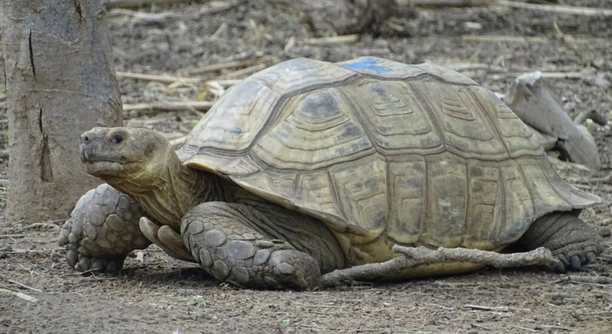
Sulcata tortoises are unique creatures that have specific dietary needs. Understanding their nutrition is key to keeping them healthy and happy. One common question is whether bananas are a safe treat for these reptiles.
Sulcata tortoises can eat bananas, but they should only have them occasionally. Bananas are high in sugar and can cause digestive problems if fed too frequently. A small piece once in a while is generally safe.
Bananas are a tasty and fun treat for your tortoise, but knowing how often to give them is important for their overall health.
Why Bananas Should Only Be a Treat for Sulcata Tortoises
Bananas are delicious and many reptiles enjoy them, but they aren’t the best daily food for your Sulcata tortoise. While bananas offer some vitamins and minerals, they’re also packed with sugar, which can be harmful to your tortoise’s health if overconsumed. Excess sugar can disrupt the digestive system and lead to obesity. Sulcatas are herbivores, so their diet should mainly consist of grasses, leaves, and other high-fiber plants. Including too many fruits like bananas in their meals can unbalance their nutritional intake, leaving them with fewer essential nutrients. Moderation is key to maintaining a healthy tortoise.
Occasionally feeding a small amount of banana is safe for your tortoise. However, it’s important not to let fruit become a regular part of their diet. Focus more on offering fibrous, leafy vegetables that will better suit their digestive system.
When feeding bananas to your Sulcata, it’s important to consider portion size. A small slice can be enough to satisfy your tortoise without overloading their system with sugar. You can mix banana with other leafy greens or vegetables to make the treat feel more like a special occasion than a regular snack. Avoid offering banana in large quantities, and be sure to balance it with their main diet of hay, grasses, and leafy greens. This way, your tortoise gets a variety of nutrients without the risks of excessive sugar intake.
How Often Can Sulcata Tortoises Eat Bananas?
Bananas should be fed sparingly to Sulcata tortoises, ideally no more than once or twice a month.
Frequent consumption of bananas can lead to unhealthy weight gain and digestive issues in Sulcata tortoises. To avoid these risks, limit banana treats to occasional offerings, always in moderation. Keep the tortoise’s regular diet focused on the right foods for optimal health.
Risks of Feeding Bananas Too Often
Bananas are high in sugar and low in fiber, which isn’t ideal for Sulcata tortoises. Feeding them too often can lead to health issues like obesity and digestive problems. Their natural diet consists of high-fiber plants, which are much more beneficial to their health.
Excessive sugar intake can lead to more than just weight gain. It can also cause gut issues, such as diarrhea, and impact the tortoise’s ability to digest other foods properly. The digestive system of Sulcata tortoises is designed to process fibrous plant matter, not sugary fruits. Over time, too much sugar may lead to more severe health complications.
It’s also important to note that offering bananas too frequently can spoil your tortoise’s appetite for the foods they need. When fed treats like bananas too often, they may start to prefer them over their regular greens and grasses. This can lead to nutritional imbalances, making it harder for your tortoise to thrive.
Alternatives to Bananas for Sulcata Tortoises
There are many better alternatives for your Sulcata tortoise that will keep them healthy. Fresh, fibrous vegetables like dandelion greens, collard greens, and mustard greens are excellent choices.
Leafy vegetables are packed with the fiber Sulcata tortoises need. You can offer them a variety of these greens regularly, making sure to rotate different types to keep their diet interesting. Another great option is hay, which should be provided daily to ensure they get enough fiber. Hay is not only great for digestion but also helps wear down their constantly growing beaks and keeps their digestive tract moving.
Providing a variety of safe plants will give your Sulcata tortoise the nutrients they need. You can also offer occasional flowers, like hibiscus or dandelions, for variety. Always make sure any plant you give is safe for them and free of pesticides.
How to Safely Feed Bananas to Sulcata Tortoises
If you decide to give your Sulcata tortoise a banana, make sure to only offer a small amount. A small slice or chunk is plenty for them to enjoy as an occasional treat.
Remove the banana peel before offering it to your tortoise, as the peel may be difficult to digest. Ensure that the fruit is fresh and free from any pesticides or chemicals. Always serve it alongside their regular leafy greens and grasses, never as a meal replacement.
Observing Your Tortoise After Feeding Bananas
After feeding your tortoise bananas, monitor them for any digestive issues like diarrhea or lack of appetite. These signs can indicate that they might not be tolerating the fruit well.
If you notice any changes in their behavior or health after eating bananas, reduce the frequency or stop feeding them this fruit altogether. Keeping an eye on their reaction is essential to avoid any unwanted health problems. Always make sure their diet is balanced and consists mainly of fiber-rich plant matter.
Signs Your Tortoise May Be Overfed
A Sulcata tortoise that’s overeating, especially high-sugar treats like bananas, may become lethargic or show slower movement. Obesity is another sign to watch for.
Can Sulcata Tortoises Eat Other Fruits?
Yes, Sulcata tortoises can eat some fruits, but they should only be given occasionally and in small amounts. Fruits like apples, pears, and melons are safe for tortoises, but just like bananas, they are high in sugar. Overfeeding fruits can lead to digestive problems and obesity. It’s important to remember that their diet should mainly consist of fibrous plants and greens to support their digestive health. When you feed fruits, always make sure to remove seeds or pits that could be harmful.
Are Bananas Good for Sulcata Tortoises?
Bananas, while tasty and providing some vitamins, are not ideal for Sulcata tortoises if fed regularly. They are high in sugar and low in the fiber that tortoises need. A small piece of banana now and then can be an occasional treat, but they shouldn’t be part of their regular diet. Too much sugar can upset their digestive system and lead to weight gain, which is detrimental to their health. It’s important to stick to mostly leafy greens and grasses for their main food source.
How Much Banana Can I Give My Sulcata Tortoise?
If you do decide to give your Sulcata tortoise banana, it should only be in very small portions. A slice of banana or a small chunk is enough for them to enjoy as a rare treat. Overfeeding even small amounts of sugary fruits can cause long-term health issues. You should limit banana consumption to once every few weeks, so it doesn’t become a regular part of their diet. Always focus on giving them a variety of leafy greens and fibrous vegetables to ensure they stay healthy.
What Other Foods Can Sulcata Tortoises Eat?
Sulcata tortoises thrive on a diet rich in fiber. Some of their favorite foods include dandelion greens, clover, collard greens, mustard greens, and hibiscus flowers. They also enjoy safe weeds and grasses like timothy hay. Always offer a variety of fibrous, leafy vegetables and flowers to ensure they get a broad spectrum of nutrients. Avoid feeding them high-oxalate foods such as spinach, as it can interfere with calcium absorption. These foods, combined with occasional fruits, will help keep your tortoise in good health.
Is It Safe to Feed Sulcata Tortoises Commercial Food?
Commercial tortoise food can be convenient but should not replace fresh greens and hay in their diet. Many commercial pellets are low in fiber and may contain artificial additives or preservatives that aren’t ideal for your Sulcata tortoise. If you do decide to use commercial food, make sure it’s high-quality and free of artificial ingredients. It should only be used as a supplement to their natural diet, not as the main food source. Fresh, natural plants and grasses should remain the foundation of their nutrition.
Can Sulcata Tortoises Eat Vegetables?
Yes, Sulcata tortoises can eat many vegetables, and they benefit from them. Safe options include collard greens, kale, and dandelion greens. They can also enjoy things like bell peppers and squash. Vegetables that are high in calcium, such as turnip greens and mustard greens, are great choices for your tortoise’s diet. It’s essential to avoid vegetables that are high in water content, like cucumbers, as they don’t provide much nutrition. Always ensure the vegetables are clean and free of pesticides or chemicals that could harm your tortoise.
Can I Feed My Sulcata Tortoise Flowers?
Yes, Sulcata tortoises love eating flowers, and many varieties are safe for them. Hibiscus flowers, dandelions, and pansies are a few examples of flowers that can be given. These can add variety to their diet and provide extra nutrients. However, it’s important to only feed flowers that are pesticide-free and safe for tortoises. Some flowers are toxic to tortoises, so always research and make sure the ones you offer are safe. Avoid flowers from florists, as they may have been treated with chemicals.
What Should I Avoid Feeding My Sulcata Tortoise?
Certain foods can be harmful to Sulcata tortoises. Avoid feeding them dairy, meat, or processed foods, as these do not align with their herbivorous diet and can cause serious health issues. Never give them high-oxalate foods like spinach or rhubarb, as these can block calcium absorption. Also, avoid feeding them any plants or flowers that may have been sprayed with pesticides or chemicals, as these can be toxic. Toxic plants to avoid include azaleas, oleander, and ivy. Stick to fresh, pesticide-free greens, grasses, and safe flowers.
How Often Should I Feed My Sulcata Tortoise?
Sulcata tortoises need to eat every day, but their portions should vary depending on their age and size. Baby and juvenile tortoises require more food than adults because they are growing rapidly. However, adult Sulcata tortoises can go a day without eating if necessary. It’s best to offer them food once a day, and make sure they always have access to fresh water. Focus on offering a mix of fibrous greens, hay, and safe vegetables for a balanced diet. Be mindful of portion sizes, as overfeeding can lead to health issues.
How Can I Make Sure My Sulcata Tortoise Gets Enough Calcium?
Calcium is crucial for the health of your Sulcata tortoise, especially for their bones and shell. To ensure they get enough, provide them with calcium-rich foods like collard greens, dandelion greens, and turnip greens. You can also dust their food with a calcium supplement designed for reptiles, but avoid over-supplementing. A proper calcium-to-phosphorus ratio is necessary for good health, and sunlight exposure is also vital for proper calcium absorption. Make sure they have access to a basking area under UVB light, which helps them metabolize calcium effectively.
Feeding your Sulcata tortoise bananas can be a fun way to offer a treat, but it’s important to remember that moderation is key. Bananas are high in sugar, which can cause digestive problems or lead to obesity if fed too often. Your tortoise’s primary diet should consist of high-fiber plants and leafy greens that provide the essential nutrients for their health. Fruits like bananas should only be given as an occasional snack, not a regular part of their diet.
Incorporating variety into your tortoise’s diet is important to keep them healthy. Along with small pieces of banana, you can offer a range of other fruits, vegetables, and flowers that are safe for them to eat. Greens like collard and mustard greens, along with hay and weeds, should make up the bulk of their food. This variety ensures they get the fiber, vitamins, and minerals needed for proper digestion and overall well-being. Be sure to avoid foods that are too high in sugar, oxalates, or anything that may be toxic to them.
The key to a long, healthy life for your Sulcata tortoise is a balanced diet with plenty of fiber and occasional treats. By offering bananas in moderation and focusing on a diet rich in leafy greens and other plant-based foods, you’ll be supporting your tortoise’s health in the best way possible. Always stay mindful of the portion sizes, and remember that variety and balance are essential for their growth and well-being.

Hello,
If you enjoy the content that we create, please consider saying a "Thank You!" by leaving a tip.
Every little bit helps us continue crafting quality advice that supports the health, happiness, and well-being of pets around the world, for pets of all shapes, sizes, and species.
We really appreciate the kindness and support that you show us!