
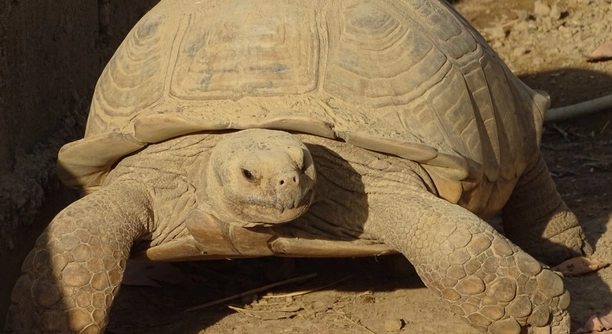
Sulcata tortoises are known for their unique and beautiful shells. However, over time, their shells may change color. Understanding the causes behind shell discoloration is important for ensuring the health and well-being of your tortoise.
Shell discoloration in Sulcata tortoises can be caused by various factors including diet, environment, and health issues. Poor nutrition, exposure to excessive sunlight, dehydration, fungal infections, and shedding issues may all contribute to changes in shell color.
Identifying the underlying cause of shell discoloration is essential in maintaining your tortoise’s overall health. Keep reading to learn more about these causes and how you can prevent or address them.
Poor Diet and Nutrient Deficiencies
A Sulcata tortoise’s shell health is directly linked to its diet. Without the right balance of vitamins and minerals, a tortoise may experience issues such as shell discoloration. For example, a lack of calcium can lead to weakened shells, causing them to appear dull or even change color. A proper diet for a Sulcata tortoise includes dark leafy greens, hay, and some fruits, ensuring they get essential nutrients like calcium and Vitamin D3. If the tortoise isn’t getting these nutrients, the shell may show signs of distress, leading to discoloration.
Poor diet and lack of nutrition can be fixed with simple dietary adjustments. Offering a variety of leafy greens and ensuring adequate sunlight exposure for natural Vitamin D synthesis will go a long way.
A well-balanced diet should be a priority for your tortoise’s overall health. By introducing foods rich in calcium and keeping a regular feeding schedule, you will not only improve their shell health but their overall well-being as well.
Excessive Sunlight Exposure
While tortoises benefit from sunlight, too much exposure can cause their shells to become discolored. Excessive UV rays can lead to dehydration and sunburn. This can cause the shell to dry out, resulting in lighter or even brown spots on the shell. Sulcata tortoises naturally live in warm, sunny climates, but too much direct sunlight in captivity can cause damage if they do not have access to shade.
It is important to ensure your Sulcata tortoise has a proper balance of sunlight and shade to prevent shell issues. Providing areas with both sun and shade can help regulate their exposure.
You should monitor the amount of direct sunlight your tortoise receives and adjust accordingly. Make sure they have shaded areas to retreat to when the sun becomes too intense. Proper UVB lighting, if kept indoors, will also support their health without the risks associated with overexposure.
Dehydration
Dehydration is another common reason for shell discoloration in Sulcata tortoises. When they do not drink enough water, their shells can start to appear dull and dry. Tortoises rely on proper hydration to maintain their shell’s health and overall function. Without enough water, the shell may begin to lose its vibrant color, leading to uneven tones and rough texture.
Hydration can be managed by providing fresh water daily and ensuring they have access to moist environments. You can also soak your tortoise in lukewarm water to help keep them hydrated, especially during the hotter months when dehydration is more likely to occur.
Offering a shallow dish for them to drink from and soak in is important. Ensure the water is changed regularly and that your tortoise has access to a clean, fresh water source at all times. Keeping them hydrated helps prevent further shell discoloration and supports their overall health.
Fungal Infections
Fungal infections are another possible cause of shell discoloration. These infections can develop in a damp, unsanitary environment. The symptoms often include patches of discolored, scaly shell areas, which may turn brown, black, or even yellow. Fungi thrive in moist conditions, so if your tortoise’s habitat is too humid, they may be at risk for such infections.
To prevent fungal infections, it is important to clean your tortoise’s enclosure regularly. Ensure they have a dry, well-ventilated area to help keep fungal growth at bay. Using a substrate that allows for good drainage is key in preventing the growth of mold or fungi.
If a fungal infection occurs, treatment typically involves cleaning the affected areas with antifungal solutions or seeking advice from a veterinarian for appropriate medication. Regular habitat maintenance will go a long way in keeping your tortoise’s shell healthy and vibrant.
Shell Shedding Issues
Shell shedding is a natural process, but if it doesn’t occur properly, it can lead to discoloration. If the old shell doesn’t come off completely, it may cause the new layer underneath to appear uneven or blotchy. This is often seen when a tortoise doesn’t get enough humidity.
To promote healthy shedding, it’s essential to maintain proper humidity levels. Providing a moist area can help ease the shedding process. Additionally, ensuring that your tortoise has access to a clean, dry area to shed can help prevent the shell from becoming damaged or discolored.
Improper shedding can also be a sign of underlying health issues, so it’s best to monitor your tortoise closely. Keeping the habitat conditions right and regularly checking on your tortoise’s shell will help prevent this problem from getting worse.
Overexposure to Chemicals
Exposure to harsh chemicals or cleaners can discolor your tortoise’s shell. Certain cleaning agents, if used in the enclosure, can cause the shell to react, leading to dull or faded patches. This may occur when cleaning tools or materials aren’t properly rinsed.
Using non-toxic cleaning solutions is key when maintaining your tortoise’s habitat. Opt for natural or reptile-safe cleaners to reduce the risk of chemical exposure. Also, ensure that any equipment, such as water bowls or bedding, is thoroughly cleaned and free from residues that might harm your tortoise.
Over time, repeated exposure to harmful chemicals can lead to long-term shell damage. Always prioritize the safety of your tortoise by using the right products for their environment.
FAQ
What causes a Sulcata tortoise’s shell to turn yellow?
Yellowing of the shell can occur due to several factors, such as improper diet, lack of sunlight, or dehydration. A diet low in calcium and Vitamin D3 can result in weakened shell growth, making it more prone to discoloration. Additionally, if a Sulcata is not getting enough UVB light, it may develop a yellowish tint on its shell. Lastly, dehydration can lead to dullness and a yellowish appearance as the tortoise’s body struggles to stay hydrated. Make sure to provide a well-balanced diet and proper sunlight exposure to avoid this issue.
How can I prevent my Sulcata tortoise’s shell from becoming discolored?
Preventing shell discoloration begins with maintaining proper care. Ensure your tortoise is provided with a nutritious diet rich in calcium, fiber, and Vitamin D3. You should also make sure it gets enough exposure to sunlight or UVB light if kept indoors. Proper hydration is crucial, as dehydration can lead to dull or discolored shells. Additionally, regular cleaning of its enclosure and maintaining the right humidity and temperature levels can help prevent infections and other environmental causes of discoloration.
Can a Sulcata tortoise’s shell discoloration be a sign of a serious health issue?
Yes, discoloration can sometimes be a sign of an underlying health problem. Conditions such as fungal infections, parasites, or metabolic bone disease can lead to changes in the appearance of the shell. If the discoloration is accompanied by other signs like lethargy, loss of appetite, or difficulty moving, it’s important to consult with a veterinarian to rule out any serious health concerns. Catching these issues early will help ensure your tortoise’s health and well-being.
Is it normal for my Sulcata tortoise to shed its shell?
Yes, it is normal for Sulcata tortoises to shed their shells as part of their growth process. However, if the shedding is uneven or causes the shell to appear damaged, it could indicate problems like insufficient humidity or poor diet. Proper care can help ensure the shedding process goes smoothly. It’s important to maintain the right humidity levels and diet to support healthy shell growth and shedding.
What should I do if my tortoise’s shell has fungal infections?
If your Sulcata tortoise’s shell shows signs of fungal infections, such as patches of discoloration or rough, scaly areas, it’s important to treat it promptly. First, remove your tortoise from any damp or unsanitary areas that could be contributing to the infection. Use antifungal treatments as recommended by your veterinarian to treat the affected areas. You should also disinfect the tortoise’s enclosure and ensure it is kept clean and dry to prevent future fungal growth. Regular checks on the shell can help catch fungal infections early.
Can exposure to too much sunlight cause my Sulcata tortoise’s shell to discolor?
While tortoises need sunlight for proper health, overexposure can lead to shell discoloration. Excessive UV rays can cause the shell to dry out, resulting in pale or sunburned patches. It’s important to provide your tortoise with a balance of sunlight and shaded areas, allowing it to choose where it feels most comfortable. If your tortoise is kept outdoors, make sure it has access to both sun and shade. If kept indoors, use appropriate UVB lighting to mimic natural sunlight exposure.
How can I tell if my Sulcata tortoise is dehydrated?
Dehydration can cause a Sulcata tortoise’s shell to appear dull and discolored, and it may also lead to other health issues. Signs of dehydration include dry or wrinkled skin, lethargy, and a lack of appetite. To prevent dehydration, ensure your tortoise has constant access to fresh water. Regular soaking in lukewarm water can also help keep your tortoise hydrated, especially in dry climates or during hot weather. If you suspect dehydration, immediately provide water and soak your tortoise to help restore hydration.
What is the best way to care for my Sulcata tortoise’s shell?
The best way to care for your tortoise’s shell is by maintaining a proper diet, providing the right lighting, and ensuring it has access to clean, fresh water. Regular cleaning of its enclosure is also necessary to prevent fungal growth or the buildup of harmful bacteria. Additionally, make sure the habitat’s temperature and humidity levels are appropriate for your tortoise’s needs. Taking these steps will not only help maintain a healthy shell but also support your tortoise’s overall well-being.
Are there any specific foods that help prevent shell discoloration in Sulcata tortoises?
Yes, providing a varied diet is crucial for your tortoise’s shell health. Leafy greens, such as kale, collard greens, and dandelion greens, are excellent sources of calcium, which is essential for strong and healthy shells. High-fiber foods like hay and grasses are also important for digestion and overall health. Additionally, occasional fruits like apples and pears can be offered as treats, but they should not replace the tortoise’s main diet. A balanced, nutrient-rich diet is one of the best ways to prevent shell discoloration and ensure a long, healthy life.
How do I know if my Sulcata tortoise’s shell is in good condition?
A healthy shell should be smooth, shiny, and free from any cracks, scabs, or irregular patches. If your tortoise’s shell appears dull, discolored, or has noticeable damage, it could indicate an underlying issue. Regularly check for signs of infection, dehydration, or fungal growth. If the shell shows signs of discoloration that don’t seem to improve, it’s important to seek professional veterinary advice to rule out health problems and ensure the shell is in optimal condition.
Final Thoughts
Shell discoloration in Sulcata tortoises can be caused by a variety of factors, including improper diet, insufficient UV light, dehydration, or even infections. Understanding the reasons behind these changes in your tortoise’s shell can help you take the necessary steps to prevent or address the issue. By providing a balanced diet, ensuring proper hydration, and offering exposure to adequate sunlight or UVB light, you can greatly reduce the chances of shell discoloration. Regularly cleaning your tortoise’s enclosure and maintaining the right humidity levels also play a key role in shell health.
While some minor discoloration may occur naturally, it’s important to monitor your tortoise closely for signs of more serious health concerns. If the discoloration is persistent, accompanied by other symptoms like lethargy or poor appetite, it’s always best to consult a veterinarian. Early detection of infections, metabolic bone disease, or other underlying conditions can prevent long-term damage and ensure your tortoise lives a healthy, comfortable life. Paying attention to the health of your tortoise’s shell can be a good indicator of its overall well-being.
Taking care of a Sulcata tortoise involves a combination of proper nutrition, habitat management, and monitoring for health issues. Ensuring that your tortoise has the right environment and diet is crucial for maintaining the health of its shell and overall body. With the right care, your Sulcata tortoise can enjoy a long, healthy life, free from shell discoloration or other complications. By staying proactive and knowledgeable about their needs, you’ll ensure that your tortoise thrives in its habitat.

Hello,
If you enjoy the content that we create, please consider saying a "Thank You!" by leaving a tip.
Every little bit helps us continue crafting quality advice that supports the health, happiness, and well-being of pets around the world, for pets of all shapes, sizes, and species.
We really appreciate the kindness and support that you show us!