
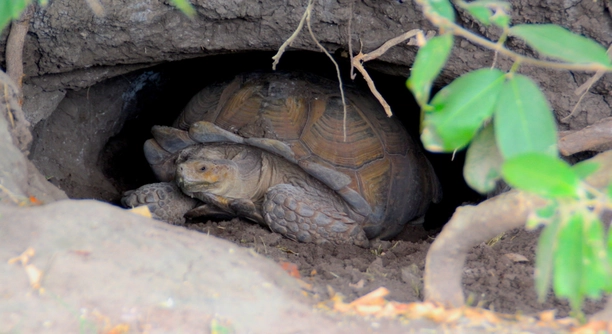
Your sulcata tortoise’s behavior of rubbing its face may be puzzling, but understanding this action can help you care for your pet better. It’s important to pay attention to their health and comfort to prevent any potential issues.
Face rubbing in sulcata tortoises can indicate a variety of factors. It may be due to shedding, irritation from the environment, or even a sign of stress. Ensuring proper humidity, temperature, and overall health can help address these concerns.
There are steps you can take to improve your tortoise’s well-being, creating a comfortable environment to ease any discomfort.
Possible Causes for Face Rubbing in Sulcata Tortoises
Sulcata tortoises are generally calm and content animals, but face rubbing can become a regular behavior. This could be due to various environmental or physical factors. For example, your tortoise might rub its face to remove irritation from the environment, such as rough surfaces or excess humidity. Shedding can also trigger this action, as their skin needs to loosen and fall off. If your tortoise is not shedding properly, the rubbing might be an attempt to dislodge the dead skin.
Another factor could be stress, which sulcata tortoises can experience when their living conditions aren’t ideal. A sudden change in temperature or humidity, too much noise, or even a lack of hiding spaces could cause them to rub their face as a form of comfort.
To help your pet, make sure its enclosure maintains the right levels of heat and humidity. Keep the surroundings calm and provide a safe space where it can retreat when feeling overwhelmed.
Addressing Potential Skin Issues
One important consideration is whether the face rubbing stems from skin irritation.
If your tortoise’s skin seems dry, flaky, or irritated, it might be trying to rub off excess dead skin. To prevent this, ensure that your tortoise has proper humidity and hydration. Additionally, misting its shell or adding a damp area in its habitat can encourage healthy shedding.
Creating a Comfortable Environment
A suitable environment can make a world of difference when dealing with your tortoise’s behavior. It’s important to provide proper heat sources, like a basking lamp, to help maintain the right temperature gradient. Offering a hiding spot or shelter within its enclosure can also provide comfort. Regularly check the humidity levels and adjust as necessary to keep your tortoise comfortable.
Maintaining an appropriate enclosure temperature can help avoid stress and discomfort, which may reduce face rubbing. If the rubbing persists despite these adjustments, a visit to the vet may be necessary to rule out underlying health issues.
Stress and Its Impact on Your Tortoise
Stress is a common factor behind face rubbing in sulcata tortoises. It can arise from various environmental changes, such as new surroundings or inconsistent care routines. Stressful situations might cause them to rub their face to self-soothe.
When a tortoise feels stress, it may try to escape from the situation by engaging in behaviors like face rubbing. Providing a stable, calm environment is essential to minimize stress. Ensure that the enclosure remains consistent, with the same temperature, humidity, and lighting. Avoid loud noises and sudden changes that could unsettle your pet. Over time, a stable environment can reduce stress, ultimately preventing unnecessary face rubbing.
It’s also crucial to observe your tortoise’s behavior. If the rubbing increases during stressful situations, like cleaning or interacting with unfamiliar people, it may indicate anxiety. Monitoring your pet’s reactions to various changes in its environment can help you identify what triggers stress and adjust accordingly.
The Role of Poor Diet in Face Rubbing
Your sulcata tortoise’s diet can influence its overall well-being and potentially cause face rubbing. A poor diet can lead to deficiencies, skin problems, or dehydration, prompting your tortoise to rub its face.
Ensure that your tortoise is eating the correct balance of leafy greens, vegetables, and the occasional fruit. Avoid feeding too much protein or high-oxalate foods, as this can lead to health issues. Calcium intake is essential for shell and skin health, so offer appropriate calcium supplements if necessary. A diet lacking in vitamins or hydration could cause skin irritation, making your tortoise more prone to rubbing its face. By improving its diet, you can see a reduction in face rubbing over time.
Proper hydration is just as vital. Offer fresh water daily, and occasionally mist your tortoise to keep its skin moist. Dehydration can lead to dry, flaky skin, which may lead to discomfort and rubbing. A balanced diet paired with sufficient hydration will improve your tortoise’s overall health, reducing the need for face rubbing.
Shell and Skin Health
Maintaining your sulcata tortoise’s shell and skin health is crucial in preventing face rubbing. Poor shell conditions or irritations can cause discomfort, prompting your pet to rub its face. Regularly check for any abnormalities on the shell or skin.
If the shell is damaged or there are noticeable irritations on the skin, it could lead to rubbing as your tortoise tries to relieve the discomfort. Regular bathing can help hydrate the skin and encourage healthy shedding. Make sure the enclosure is clean and free of debris that may cause skin abrasions. Proper care of both the skin and shell can reduce face rubbing.
Environmental Factors
Environmental conditions can greatly affect your tortoise’s comfort and behavior. The right balance of heat, humidity, and lighting is essential for a healthy tortoise.
Tortoises are highly sensitive to changes in their habitat. Sudden shifts in temperature or humidity may cause stress or discomfort, leading to face rubbing. It’s essential to maintain a stable environment with appropriate warmth during the day and a cooler area at night. Humidity levels should also be controlled to avoid dry skin and irritation. Consistency in environmental conditions helps reduce stress and keeps your tortoise comfortable.
Temperature and Humidity Control
Proper temperature and humidity are essential for your sulcata tortoise’s health. Fluctuations in either can cause discomfort, prompting face rubbing.
The temperature within the enclosure should be around 85-95°F with a basking spot reaching up to 100°F. At night, the temperature should drop slightly to simulate natural conditions. Humidity is also important, particularly in preventing skin dryness. Aim for a humidity level of 30-50%. By ensuring the enclosure has the correct temperature and humidity, your tortoise’s health improves, reducing face rubbing behavior.
FAQ
Why does my sulcata tortoise rub its face against surfaces?
Face rubbing in sulcata tortoises is often a sign of discomfort, irritation, or stress. It may be trying to remove dead skin, scratch an itchy area, or alleviate irritation caused by its environment. Sometimes, it can also be a response to dryness or an attempt to shed. If the rubbing seems excessive, it’s a good idea to check its environment for potential issues like humidity, temperature, or rough surfaces that could be causing discomfort.
Can face rubbing indicate a health problem in my sulcata tortoise?
Yes, excessive face rubbing can sometimes signal an underlying health issue. If the rubbing is constant and doesn’t seem related to shedding, it could be due to skin infections, fungal growth, or a respiratory issue. Pay close attention to other symptoms such as lethargy, loss of appetite, or changes in behavior. In such cases, a vet checkup is recommended to rule out any health problems.
What can I do to prevent face rubbing in my sulcata tortoise?
To reduce face rubbing, it’s important to maintain a comfortable living environment for your tortoise. Ensure the enclosure is properly heated, humidified, and free from sharp objects or rough surfaces that might cause irritation. Regularly check your tortoise’s skin for signs of dryness or infection and adjust its diet to ensure it’s getting enough hydration and calcium. If the issue persists, consider consulting a vet to ensure there are no underlying health issues.
Is it normal for my sulcata tortoise to rub its face during shedding?
Yes, face rubbing is common during the shedding process. As your tortoise sheds its old skin, it might rub its face to help loosen and remove the dead skin. This is a natural process, and as long as the rubbing is not excessive or causing harm, it is generally not a cause for concern. However, if the shedding seems abnormal, such as incomplete shedding or irritation, you should monitor it closely.
How can I ensure my sulcata tortoise’s skin remains healthy?
To maintain healthy skin, ensure your tortoise has a balanced diet, adequate hydration, and proper humidity levels. Bathing your tortoise a few times a week can help keep its skin moist and aid in shedding. Ensure the enclosure has the right temperature gradients and avoid any sudden changes in its environment, as this can lead to stress, which can also affect its skin. If you notice dryness or irritation, adjust the humidity or mist the enclosure to provide relief.
What should I do if my sulcata tortoise is rubbing its face frequently?
If your tortoise is rubbing its face frequently, first check its environment for any issues. Ensure that the temperature and humidity are correct and that the enclosure is free from rough surfaces or sharp objects. Look for signs of injury or irritation on the skin and shell. If no environmental factors seem to be the cause, and the rubbing persists, consider taking your tortoise to a vet to rule out any health issues such as infections or respiratory problems.
Can stress cause my sulcata tortoise to rub its face?
Yes, stress is a known cause of face rubbing in tortoises. Environmental changes, loud noises, handling, or other disturbances can trigger stress, leading to face rubbing as a form of self-soothing. To minimize stress, maintain a calm environment for your tortoise, provide hiding spaces, and limit disturbances. If your tortoise rubs its face in response to changes or interactions, it might be a sign of anxiety or discomfort.
How can I tell if my sulcata tortoise’s face rubbing is due to skin irritation?
Skin irritation often causes face rubbing, and you can tell if it’s the cause by inspecting the tortoise’s face and surrounding skin. Look for signs of redness, swelling, or dryness. If the rubbing is localized around the face and neck, it could indicate an irritant or infection. A healthy tortoise will generally have smooth, hydrated skin. If the irritation is noticeable, try adjusting humidity levels and offering a bath to help soothe the skin. If the condition persists, a vet visit is advisable.
Could the temperature in my tortoise’s enclosure be causing the face rubbing?
Improper temperature can definitely cause discomfort in your sulcata tortoise and contribute to face rubbing. Tortoises need a specific temperature range to stay comfortable. If the enclosure is too hot or too cold, it may cause your tortoise to feel stressed or uncomfortable, leading to behaviors like rubbing its face. Make sure the temperature in the basking area is around 100°F and the cooler end of the enclosure is around 75°F. Regularly check your heat sources to ensure they’re working correctly.
What are some common mistakes that can lead to face rubbing in sulcata tortoises?
Common mistakes that can cause face rubbing include improper humidity, inadequate hydration, inconsistent temperature, and a poor diet. Tortoises also tend to rub their faces if their enclosure is too small or if they feel stressed due to frequent handling or loud environments. To avoid these issues, ensure that the enclosure is spacious, the temperature and humidity are consistent, and the diet is balanced. Regularly inspect your tortoise for signs of discomfort or health problems.
Final Thoughts
Face rubbing in sulcata tortoises can be a natural behavior, but it is essential to understand the underlying causes to ensure your tortoise stays healthy and comfortable. While occasional rubbing, particularly during shedding, is usually harmless, persistent or excessive rubbing may indicate issues with the environment or health. By paying attention to your tortoise’s surroundings, you can often address the root cause of the behavior and prevent further discomfort.
Maintaining a proper habitat for your sulcata tortoise is crucial in preventing unnecessary stress or irritation. Ensure that the enclosure has the correct temperature and humidity, as fluctuations can cause skin issues or discomfort. Regular bathing and providing a balanced diet will also help keep your tortoise’s skin hydrated and reduce the likelihood of rubbing. Keep the enclosure free of sharp objects and rough surfaces that may cause skin irritation. Regularly checking for signs of skin infections or injuries can also be beneficial.
If your tortoise continues to rub its face despite adjustments to its environment, it may be time to consult a veterinarian. A professional can help identify any underlying health problems, such as respiratory issues or infections, that might be contributing to the behavior. By taking the necessary steps to address both environmental and health concerns, you can help ensure your sulcata tortoise lives a long and comfortable life. Always monitor your tortoise closely and make adjustments as needed to create a safe, healthy environment for them.

Hello,
If you enjoy the content that we create, please consider saying a "Thank You!" by leaving a tip.
Every little bit helps us continue crafting quality advice that supports the health, happiness, and well-being of pets around the world, for pets of all shapes, sizes, and species.
We really appreciate the kindness and support that you show us!