
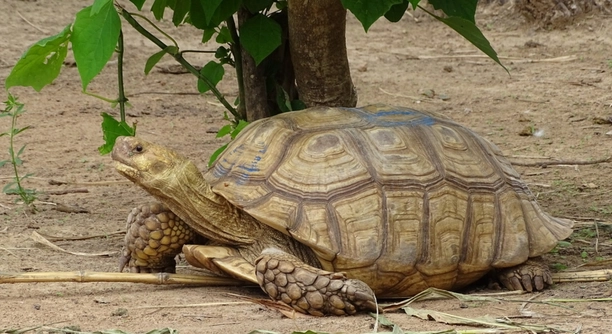
Sulcata tortoises are fascinating creatures, but it can be concerning when they start blinking excessively. Understanding their behavior is key to ensuring their well-being. It’s important to pay attention to any changes in their routine.
Excessive blinking in a Sulcata tortoise may be a sign of an eye infection, irritation, or dryness. Environmental factors, such as humidity or improper lighting, can also contribute to this issue, making it necessary to evaluate their living conditions.
Understanding the underlying causes can help you take action to ensure your tortoise stays healthy and comfortable. This article will guide you through possible reasons and solutions for excessive blinking.
Possible Causes of Excessive Blinking
Excessive blinking in Sulcata tortoises can be caused by various factors, each affecting their eye health and comfort. It is important to observe their environment closely. One major issue could be environmental conditions. These tortoises need a specific level of humidity to maintain proper eye health. If the air is too dry, their eyes can become irritated, leading to blinking. Additionally, lighting is crucial; improper lighting, especially too much direct light, can cause eye strain, making them blink more.
Another cause might be an eye infection, which can lead to swelling, discharge, and discomfort. If the blinking is accompanied by signs of infection like watery eyes or cloudiness, immediate attention from a vet may be required. Lastly, their diet plays a role in maintaining eye health. Lack of essential vitamins, such as vitamin A, can make them more prone to eye problems, contributing to excessive blinking.
Ensuring the right conditions for your tortoise can make a significant difference in preventing these issues. Regularly cleaning their habitat, controlling humidity, and providing the right light levels can help. Offering a balanced diet full of essential nutrients will support their overall well-being. Proper care reduces the risk of eye problems, allowing your tortoise to thrive.
When to Consult a Veterinarian
If the blinking persists, consulting a veterinarian becomes necessary. Signs of an infection or serious condition may need medical attention.
When a tortoise blinks excessively, especially with other symptoms like discharge or changes in behavior, it’s essential to seek professional care. A vet will be able to examine the tortoise’s eyes for infection or injury.
Environmental Factors
If your Sulcata tortoise’s habitat isn’t set up correctly, it could be contributing to excessive blinking. Factors like low humidity or poor lighting may lead to eye irritation.
Proper humidity levels are crucial for preventing eye dryness. If the air is too dry, the tortoise’s eyes can become irritated, leading to frequent blinking. Maintaining an appropriate humidity level, typically around 50-60%, can help prevent this. Make sure the enclosure is not too drafty, as drafts can exacerbate dry conditions. Additionally, lighting is equally important. Ensure there is enough natural light and UVB light for your tortoise’s needs, but avoid harsh direct lighting.
Providing the right environmental conditions is key to preventing eye issues. A humidifier in the enclosure or regular misting of the habitat can improve humidity. Always check the light setup, ensuring UVB lights are used correctly. Proper conditions help your tortoise stay comfortable and avoid unnecessary eye strain, reducing excessive blinking.
Diet and Eye Health
Diet plays a significant role in your tortoise’s eye health. Deficiencies in key nutrients, such as vitamin A, can cause eye problems.
Vitamin A is especially important for eye health. A lack of this vitamin can result in dry eyes and other visual issues, leading to excessive blinking. Ensure that your tortoise’s diet includes leafy greens like collard greens, dandelion greens, and carrots, which are rich in vitamin A. Offering a variety of these foods will support their overall health. However, too much of certain foods can lead to imbalances, so moderation is key.
Additionally, a proper calcium-to-phosphorus ratio is essential to prevent metabolic bone disease, which could impact eye health. Consider supplementing your tortoise’s diet with calcium, especially if they are not getting enough from their food. A balanced diet is essential to their well-being and helps prevent blinking caused by deficiencies.
Eye Infections
Eye infections are a common cause of excessive blinking in Sulcata tortoises. If their eyes are swollen or produce discharge, it’s a sign of infection.
A bacterial or fungal infection can irritate the eyes, causing them to blink more frequently. Infections often result in redness, swelling, or mucus-like discharge. If these symptoms appear, it’s best to consult a vet for treatment. In the meantime, keep the tortoise’s habitat clean and dry to prevent further irritation.
Infections can be treated with antibiotics or antifungal medications prescribed by a veterinarian. Prompt treatment is crucial to avoid complications that could affect your tortoise’s vision in the long term.
Irritation From Foreign Objects
Foreign objects, such as small pieces of substrate or debris, can irritate your tortoise’s eyes, leading to excessive blinking.
Ensure the substrate in their enclosure is kept clean and free of small, sharp particles. Regularly check for any objects that may have entered their eyes.
FAQ
Why is my Sulcata tortoise blinking a lot?
Excessive blinking could be a sign of irritation or infection. If the blinking is persistent, check the environmental conditions. Dry air, improper humidity, or incorrect lighting may cause eye discomfort. It’s also important to monitor their diet, ensuring they are getting enough vitamin A, which is essential for eye health. If the blinking continues or worsens, it’s best to consult a veterinarian to rule out any underlying medical issues like an eye infection.
What are signs of an eye infection in a tortoise?
Signs of an eye infection include swelling, redness, discharge, and frequent blinking. If you notice mucus-like fluid around the eyes or your tortoise is struggling to keep their eyes open, an infection may be present. Early treatment with the proper medication from a vet can prevent the infection from worsening and help your tortoise recover.
How can I tell if the blinking is due to environmental issues?
If the blinking started after changes to the environment, like adjusting the humidity or lighting, this may be the cause. Sulcata tortoises need specific environmental conditions, including proper humidity (50-60%) and UVB lighting. If the blinking is accompanied by dry, irritated eyes, it could be a sign of dry air or too much direct light. Adjusting these conditions may help resolve the issue.
Can dehydration cause excessive blinking in Sulcata tortoises?
Yes, dehydration can cause excessive blinking and eye irritation. Sulcata tortoises need access to clean water at all times to stay hydrated. If the tortoise is not drinking enough water, it could lead to dry eyes, making them blink excessively. Make sure to offer fresh water daily and check if the humidity level is sufficient to keep them hydrated.
What are the common causes of dry eyes in Sulcata tortoises?
Dry eyes can be caused by insufficient humidity, dehydration, or improper lighting. A dry environment with low humidity can cause your tortoise’s eyes to dry out, resulting in irritation and blinking. Ensure the enclosure has adequate humidity levels, and check the lighting setup to avoid direct heat exposure, which could further dry out the eyes.
Should I use eye drops for my Sulcata tortoise?
It’s important not to use human eye drops or medications without consulting a vet first. While certain eye drops can provide moisture, using the wrong product could harm your tortoise’s delicate eyes. If your tortoise is experiencing eye dryness or irritation, consult a veterinarian for safe recommendations for eye care.
How do I prevent my tortoise from developing eye issues?
Preventing eye issues begins with maintaining a proper environment. Ensure humidity levels are appropriate, provide UVB lighting, and maintain a clean habitat. A balanced diet with sufficient vitamin A is also crucial for eye health. Regularly check your tortoise for any signs of discomfort and make adjustments to their environment when needed to keep them comfortable.
Can Sulcata tortoises develop other eye problems besides blinking?
Yes, Sulcata tortoises can experience a variety of eye issues. These include cloudiness, swelling, and discharge. These problems can be caused by infections, injuries, or vitamin deficiencies. If you notice any of these symptoms, it’s essential to take your tortoise to a vet for proper diagnosis and treatment.
Is there a way to improve my Sulcata tortoise’s eye health naturally?
To improve eye health, ensure your tortoise is eating a diet rich in vitamin A, which helps maintain healthy eyes. Leafy greens like kale, dandelion greens, and carrots are excellent sources. Proper hydration and humidity in their habitat will also support healthy eyes. However, if there are signs of infection or serious eye problems, seek veterinary help.
How often should I check my Sulcata tortoise’s eyes for problems?
It’s a good idea to check your tortoise’s eyes every few days for any signs of irritation or infection. Look for excessive blinking, swelling, discharge, or changes in the clarity of their eyes. Catching issues early can prevent further complications and allow for quick treatment if necessary. Regular monitoring helps ensure your tortoise stays healthy.
Final Thoughts
When it comes to your Sulcata tortoise, excessive blinking can be a sign of several underlying issues. It’s essential to first assess the environment to ensure it’s set up correctly. Factors like humidity, lighting, and temperature all play a significant role in your tortoise’s comfort. Low humidity, improper UVB lighting, and drafts can all contribute to eye irritation, causing your tortoise to blink more frequently. Monitoring and adjusting these environmental factors can go a long way in preventing eye problems and ensuring your tortoise remains healthy.
A well-balanced diet is also crucial to prevent blinking related to nutritional deficiencies. Vitamin A is particularly important for eye health, and a diet rich in leafy greens and vegetables like carrots can support your tortoise’s overall well-being. Calcium and other essential nutrients should also be included to maintain the proper balance. Make sure to avoid feeding too much of one food and focus on a varied diet that provides the necessary vitamins and minerals. This helps prevent deficiencies that could affect their eyes and overall health.
Finally, if environmental changes and diet don’t seem to address the blinking, it may be time to consult with a veterinarian. If the blinking is caused by an infection or injury, timely treatment is crucial. Eye infections and other issues should be addressed as soon as possible to avoid long-term damage. Regular check-ups will ensure your tortoise stays in good health and help you catch any potential problems early. By focusing on proper care, a balanced diet, and a clean, well-maintained environment, your Sulcata tortoise can thrive.

Hello,
If you enjoy the content that we create, please consider saying a "Thank You!" by leaving a tip.
Every little bit helps us continue crafting quality advice that supports the health, happiness, and well-being of pets around the world, for pets of all shapes, sizes, and species.
We really appreciate the kindness and support that you show us!