
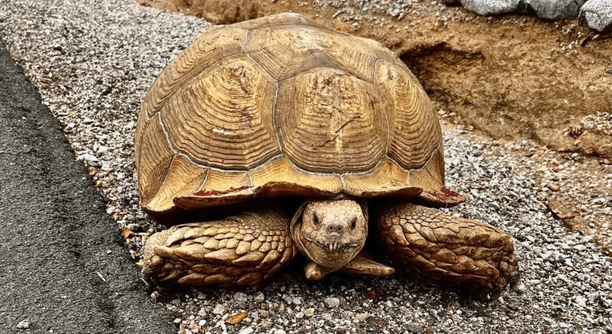
Overfeeding a sulcata tortoise may seem harmless, but it can lead to various health problems. Understanding the impact of overfeeding can help you ensure your tortoise’s well-being and longevity. Let’s explore the reasons why it’s important to avoid this.
Overfeeding a sulcata tortoise can result in obesity, shell deformities, and digestive issues. Their diet should consist of mainly hay, grasses, and limited vegetables to avoid excessive weight gain and ensure proper shell growth and digestion.
By understanding the reasons behind overfeeding and its effects, you’ll be equipped to better care for your sulcata tortoise and promote a healthier life.
Obesity and Health Risks
Overfeeding a sulcata tortoise can easily lead to obesity, which is one of the most common health problems associated with excessive food intake. A sulcata tortoise’s natural diet mainly consists of fibrous grasses and hay, with occasional vegetables. When they consume too much food, especially high-calcium or high-water content vegetables, it can cause them to gain excess weight. This excess weight puts strain on their limbs, causing joint issues, and can even lead to metabolic bone disease if they don’t get the proper nutrition they need. As the weight increases, tortoises can also struggle to move around easily, which further contributes to their overall decline in health.
To avoid this, it’s important to feed them the right balance. You should always stick to a diet that mirrors what they would typically consume in the wild. Portion control plays a critical role in preventing overfeeding and keeping your tortoise healthy.
Additionally, regular exercise is vital. Letting your tortoise roam and explore in a safe, enclosed environment encourages physical activity that helps manage weight. Without proper exercise, even a correct diet won’t be enough to prevent the adverse effects of obesity.
Shell Deformities
Excessive feeding can also cause shell deformities in sulcata tortoises. Their shells need the proper balance of calcium and other nutrients to grow correctly. Too much food, especially the wrong kinds, can cause an imbalance that leads to shell malformations, such as pyramiding. This occurs when the scutes (the individual sections of the shell) begin to grow unevenly, creating a pyramid-like shape.
The key to avoiding this is offering a diet rich in fiber, ensuring proper hydration, and maintaining a calcium-to-phosphorus ratio that supports shell health.
Digestive Issues
Overfeeding can lead to serious digestive issues in sulcata tortoises. When they consume more food than their digestive system can process, it can cause discomfort and slow digestion. This often results in bloating, constipation, and even more severe issues like impaction.
Their digestive system relies on a slow and steady intake of fibrous foods like grass and hay. Too much food at once, especially moist vegetables, can upset their stomach and prevent them from absorbing nutrients properly. This can lead to imbalances and health issues down the road.
To prevent these digestive issues, it’s essential to offer small, controlled portions of food. Regularly check your tortoise’s feces for signs of digestive distress and make adjustments to their diet if needed. Healthy digestion starts with a proper feeding schedule and suitable food choices.
Strain on Internal Organs
Overfeeding can also cause stress on a sulcata tortoise’s internal organs. With excess food in their system, their organs like the liver and kidneys can become overwhelmed by processing the extra nutrients. This can lead to organ failure if the tortoise continues to overeat.
Additionally, the weight gain that comes from overfeeding puts extra pressure on internal organs, making it harder for them to function properly. This can affect their overall health and longevity. Proper food portions and a healthy diet reduce the strain on these organs, helping them function efficiently and stay healthy. Regular monitoring of their weight and health is crucial to avoid organ-related issues.
Poor Growth and Development
Overfeeding can negatively impact a sulcata tortoise’s growth and development. While it may seem like they’re getting bigger, too much food can lead to stunted or abnormal growth.
Excess food, especially with the wrong nutrients, can interfere with their natural growth process. Sulcata tortoises need a specific balance of nutrients for proper development. Too much food can hinder their ability to grow strong bones and a healthy shell, leading to long-term health problems. A proper diet is key to supporting their growth, ensuring they develop into strong, healthy adults.
Difficulty with Mobility
Overfeeding can make it harder for a tortoise to move around. Excess weight makes it difficult for them to walk or climb, limiting their activity. With reduced mobility, a tortoise may struggle to find food and water, which can further affect its health.
FAQ
Why is it important to avoid overfeeding a sulcata tortoise?
Overfeeding a sulcata tortoise can lead to obesity, shell deformities, digestive issues, and even internal organ strain. These health problems can shorten their lifespan and reduce their quality of life. Ensuring they are fed the right amount helps keep them healthy and active.
What should I feed my sulcata tortoise to prevent overfeeding?
A sulcata tortoise should mainly eat fibrous grasses and hay. Vegetables can be offered but should be given in moderation, and high-calcium foods should be limited. Ensure that their diet reflects what they would naturally consume in the wild to keep them balanced and healthy.
How can I tell if I’m overfeeding my sulcata tortoise?
If your tortoise starts gaining too much weight, has trouble moving, or experiences shell deformities like pyramiding, these are clear signs that you may be overfeeding. Regularly monitor their weight and shell condition to prevent these issues.
Can overfeeding affect my tortoise’s shell growth?
Yes, overfeeding can disrupt proper shell growth. When a sulcata tortoise eats too much, particularly foods high in moisture or calcium, it can cause the shell to develop unevenly, leading to deformities like pyramiding. A balanced diet supports healthy shell growth.
How much should I feed my sulcata tortoise each day?
The amount depends on your tortoise’s size and age. Generally, a young sulcata tortoise should be given a few handfuls of grass or hay per day, along with small portions of leafy greens. An adult can consume a large amount of grass or hay daily, but vegetables should remain limited.
What vegetables are safe for my sulcata tortoise to eat?
Safe vegetables include dark, leafy greens like collard greens, dandelion greens, and mustard greens. Squash and some fruits can also be offered in moderation. Avoid high-oxalate vegetables like spinach and kale, as they can cause digestive issues over time.
Can overfeeding affect my tortoise’s behavior?
Yes, overfeeding can lead to lethargy and decreased activity. If your tortoise is overweight, they may become less mobile and spend more time resting. This can further worsen their health and cause additional complications, so it’s important to maintain proper feeding habits.
How can I prevent overfeeding while still ensuring my tortoise is full?
Provide plenty of high-fiber grasses and hay, which are low in calories but help keep your tortoise feeling full. Portion control is key. Offering small, balanced meals throughout the day ensures they get the right nutrients without overeating.
Is it okay to feed my tortoise fruits?
Fruits should be offered only occasionally and in small quantities, as they are high in sugar and can upset the digestive system. A small piece of melon, papaya, or strawberries once in a while is fine, but their diet should mostly consist of grass and hay.
What are the risks of feeding too many high-calcium foods to my sulcata tortoise?
While calcium is important for shell growth and bone health, excessive calcium can lead to kidney damage and other health issues. Too much calcium, especially if not balanced with phosphorus, can also contribute to kidney stones and metabolic bone disease.
How do I know if my sulcata tortoise is getting enough fiber?
If your tortoise has healthy, firm stools and shows no signs of bloating or digestive problems, it’s likely getting enough fiber. Grasses and hay should make up the bulk of their diet, and you can also include fiber-rich vegetables like dandelion greens.
Can overfeeding cause shell pyramiding?
Yes, overfeeding—particularly when the diet is high in protein or calcium—can cause shell pyramiding. This deformity occurs when the scutes of the shell grow unevenly, resulting in a pyramid shape. Proper diet and portion control help prevent this issue.
What if my sulcata tortoise refuses to eat?
If your tortoise refuses to eat, it could be a sign of stress, illness, or environmental issues. Check that the temperature and humidity in their habitat are correct. If the issue persists, consult a vet to rule out health problems.
How can I regulate my sulcata tortoise’s diet?
The best way to regulate their diet is by offering consistent portions of appropriate foods at regular intervals. Stick to a routine with set meal times, and avoid offering too many treats or rich foods. Portion control is key to maintaining a healthy tortoise.
What signs should I look for if my tortoise is overfed?
Look for signs such as weight gain, lethargy, difficulty moving, shell deformities, and digestive issues like bloating. These symptoms can indicate overfeeding, and if noticed, you should adjust their diet immediately and consult a vet if necessary.
Can overfeeding a sulcata tortoise lead to death?
If overfeeding continues unchecked, it can result in severe health complications, some of which may be fatal. Obesity and organ strain can lead to irreversible damage, so it’s crucial to monitor your tortoise’s weight and health regularly to avoid these risks.
How often should I feed my sulcata tortoise?
Adult sulcata tortoises should be fed daily, but young tortoises may need more frequent meals. As a general rule, feed your adult tortoise a portion of grass or hay that fills up most of their dish, supplemented by small amounts of vegetables.
Are there any foods I should avoid feeding my sulcata tortoise?
Avoid feeding your tortoise high-protein foods, dairy, or processed human foods. Foods like lettuce, spinach, and cabbage should also be limited due to their high water content, which can upset their digestion. Always stick to a variety of safe grasses, hay, and leafy greens.
Final Thoughts
Overfeeding a sulcata tortoise can have long-lasting effects on its health. While it might be tempting to offer them large portions of food, especially since they seem hungry, it’s crucial to remember that tortoises have specific dietary needs. Too much food, especially when it isn’t the right type, can lead to obesity, shell deformities, and internal health issues. It’s important to focus on providing a balanced diet that matches their natural needs. Healthy eating habits ensure that your tortoise grows properly, maintains mobility, and avoids complications that could arise from overfeeding.
Maintaining the right feeding habits means knowing which foods to offer and in what amounts. For sulcata tortoises, the bulk of their diet should consist of fibrous grasses and hay, with limited vegetables and occasional fruits. Overfeeding high-calcium foods can be harmful, and you should avoid feeding them too many high-protein or sugary foods. Portion control is essential to prevent issues like obesity or digestive problems. Monitoring their weight and adjusting the food portions accordingly is key to their overall well-being. Understanding what works best for your tortoise will help them thrive in the long run.
The health of your sulcata tortoise is ultimately in your hands. By offering the right food in the correct amounts and avoiding overfeeding, you can ensure that your tortoise leads a healthy, active life. Keep an eye on their growth, shell condition, and overall behavior. If you notice signs of overfeeding, such as lethargy, weight gain, or shell deformities, it’s important to address these issues immediately. A little bit of care goes a long way in maintaining a healthy tortoise.

Hello,
If you enjoy the content that we create, please consider saying a "Thank You!" by leaving a tip.
Every little bit helps us continue crafting quality advice that supports the health, happiness, and well-being of pets around the world, for pets of all shapes, sizes, and species.
We really appreciate the kindness and support that you show us!