
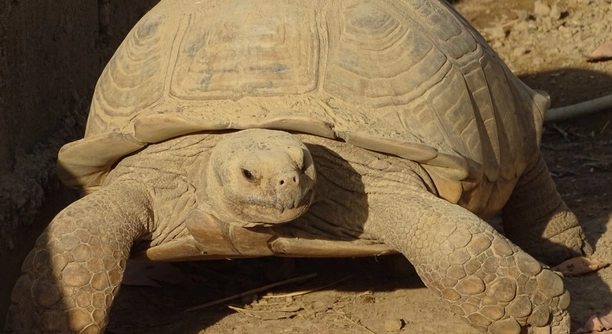
Sulcata tortoises are fascinating creatures with distinct behaviors. If you have one as a pet, you may notice that your tortoise nudges your hand frequently. This behavior can seem odd, but it is common and understandable.
The nudging behavior often stems from a desire for attention or a form of communication. Tortoises may use this method to seek affection, food, or simply to engage with their environment. It’s an instinctive way of interacting.
Understanding the reasons behind this behavior can help you respond appropriately and ensure your tortoise’s needs are met.
Understanding Why Your Sulcata Tortoise Nudges Your Hand
Tortoises are known for their calm nature, but that doesn’t mean they don’t express themselves. When your Sulcata tortoise nudges your hand, it’s usually a sign of affection or curiosity. Tortoises, like many animals, have ways of communicating that are subtle but clear. The nudging could simply be their way of asking for attention, food, or interaction. This behavior is not necessarily aggressive, but rather a form of engagement. It’s important to recognize that tortoises thrive on routine and their interactions with humans often revolve around what they’ve learned or expect from their environment.
A Sulcata tortoise’s nudging is often tied to its need for comfort or food. They might associate you with food, so nudging can be their way of asking for a treat. However, they also use nudging as a form of interaction, especially if they’re used to being around you.
It’s a good idea to observe the frequency and context of this behavior. If the nudging occurs when you’re near their food area or when they’re moving around, it’s likely their way of signaling hunger. On the other hand, if it happens when you are simply close, they may be seeking social interaction or affection. Sulcata tortoises, while solitary in the wild, become accustomed to their caretakers and can form attachments. This behavior is a sign that they recognize you and feel safe enough to initiate contact.
When Does Your Tortoise Nudge?
If you notice that the nudging happens consistently at certain times, it could reveal your tortoise’s habits. Many Sulcata tortoises will nudge when they’re hungry, curious, or looking for a specific type of interaction. They tend to be more active during daylight hours.
Tortoises also nudge to explore their surroundings. It’s a way for them to make sense of their environment. When this nudging becomes a routine, it’s essential to establish whether your tortoise is looking for affection, food, or simply exploring. By recognizing patterns, you’ll better understand what your tortoise needs and how to respond to its behavior effectively.
The Role of Your Tortoise’s Environment
A tortoise’s environment can significantly impact its behavior. If your Sulcata tortoise is nudging your hand frequently, it may be responding to the space around it. Changes in its habitat, like new objects or shifts in temperature, can cause discomfort or curiosity.
Sulcata tortoises are highly sensitive to their surroundings, and even subtle changes can trigger different behaviors. If their enclosure has recently been altered, or if their favorite spot has been disrupted, they may use nudging as a way to express confusion or a need for reassurance. It’s essential to maintain a stable environment to minimize stress. When your tortoise is in a familiar space, it will feel safer and be less likely to nudge unnecessarily.
Creating a comfortable environment for your tortoise involves considering factors like temperature, humidity, and shelter. Regularly checking these elements can reduce instances of nudging caused by environmental stress. If you’ve recently added new decorations or objects, your tortoise might be exploring these changes and engaging with them through nudging, further emphasizing its need for a secure space.
Interpreting the Nudging as Affection
If your Sulcata tortoise nudges you in a calm and repetitive way, it’s likely showing affection. Tortoises can form bonds with their caretakers, especially when they receive regular care and attention.
Nudging is a subtle form of affection from your tortoise, signaling that it’s comfortable around you. This behavior often happens when they are familiar with your presence and feel secure enough to express a need for connection. Over time, your tortoise may associate you with safety and routine, reinforcing the nudging as a sign of bonding. It’s essential to recognize this behavior as an opportunity for more interaction, as it can enhance the trust between you and your tortoise.
Understanding that your tortoise’s nudging isn’t solely about food is important. When it nudges you without showing signs of hunger, it is likely seeking a form of communication or affection. By responding to this behavior with gentle touch or speaking to them, you further establish a bond, which can result in a calmer, more interactive tortoise.
Tortoise Behavior and Hunger
Nudging can often signal hunger in Sulcata tortoises. If your tortoise associates you with food, nudging may be its way of asking for a meal. This behavior is especially noticeable during feeding times.
When you approach its enclosure, your tortoise may nudge you in anticipation of food. Sulcata tortoises are herbivores and can get excited when it’s feeding time. If your tortoise seems to nudge frequently during these moments, it’s a clear sign that it’s expecting a treat or meal. Keep an eye on the timing of this behavior to ensure proper feeding routines.
The Impact of Social Interaction
Sulcata tortoises are solitary animals in the wild, but they can adapt to social interaction with humans. Nudging may be a way of seeking attention, especially if your tortoise has grown accustomed to your presence.
Socialization plays a significant role in your tortoise’s behavior. Over time, if it has learned that nudging results in your attention, it will continue to nudge you to interact. While Sulcatas are not social like some other pets, they do recognize those who provide care and can form bonds. The nudging could be their way of initiating engagement, whether it’s for affection or simply to connect with you. Understanding this can help you bond more deeply with your pet.
Responding to Your Tortoise’s Nudging
If your tortoise nudges frequently, respond in a calm and consistent manner. This helps reinforce positive interaction. Provide attention or food based on its needs.
Your response to nudging is essential in shaping your tortoise’s behavior. If it nudges for food, ensure you feed it appropriately. If it’s seeking affection, petting or gentle attention might satisfy its need for interaction.
FAQ
Why does my Sulcata tortoise nudge my hand constantly?
If your Sulcata tortoise nudges your hand frequently, it’s usually a form of communication. It might be asking for food, attention, or simply expressing curiosity. Tortoises often nudge their owners as a sign of affection or to seek engagement, especially if they associate you with positive experiences like feeding. This behavior is typically harmless and part of their interaction style.
Is it a sign of affection when my tortoise nudges me?
Yes, nudging can be a sign of affection. Sulcata tortoises, though not as social as some other pets, can bond with their caretakers. If your tortoise nudges you when you are nearby or in its enclosure, it may be showing comfort and trust. Over time, tortoises may learn that nudging leads to attention, reinforcing this behavior as a way to seek connection.
Can my Sulcata tortoise be nudging me because it’s hungry?
Yes, nudging is commonly linked to hunger. If your tortoise nudges you, particularly around feeding times, it could be a sign that it’s expecting food. Sulcata tortoises are herbivores, and they quickly learn to associate their owners with feeding time. If your tortoise is nudging you frequently, check if it’s around mealtime or if you’ve been giving it treats in the past.
How can I tell the difference between hunger and affection in my tortoise’s nudging?
If your tortoise nudges you at feeding times or when it’s near its food area, it’s likely signaling hunger. If the nudging happens without food-related cues, such as when you’re simply close to its enclosure, it’s probably a sign of affection. Tortoises are creatures of habit, so observing when and where the nudging occurs will help you understand its intent.
What should I do if my Sulcata tortoise keeps nudging me?
If your tortoise is nudging you, you should consider what it might need. If it’s close to feeding time, offer food. If the nudging happens when you’re nearby, try petting it gently or spending some time with it. Establishing a consistent routine for feeding and interaction can help your tortoise feel more secure and reduce excessive nudging.
Can I encourage my tortoise to stop nudging so much?
You can help your tortoise reduce nudging by managing its expectations. Avoid reinforcing the nudging behavior by offering food or attention immediately when it nudges. Instead, wait for the tortoise to calm down before interacting. Over time, it will learn that excessive nudging does not lead to a reward and may decrease.
Is it normal for a Sulcata tortoise to nudge more during certain seasons?
Yes, it’s possible for your Sulcata tortoise to nudge more during certain seasons. Tortoises are influenced by factors like temperature, daylight, and their own biological rhythms. For instance, during the warmer months, your tortoise may be more active and could nudge more in search of food or attention. Similarly, changes in its environment could trigger more nudging as it seeks reassurance.
Should I be concerned if my tortoise nudges too aggressively?
If your tortoise is nudging too aggressively, it might be a sign of stress, territorial behavior, or discomfort. Aggressive nudging can indicate that your tortoise feels threatened or that something in its environment is causing it distress. Observe its body language and surroundings to rule out potential issues, such as environmental changes or lack of space.
Can I train my Sulcata tortoise to stop nudging me?
While it’s challenging to completely stop a tortoise from nudging, you can train it to reduce the behavior. Consistent training can help your tortoise understand when it’s appropriate to nudge and when it’s not. Positive reinforcement, such as rewarding calm behavior with treats or attention, will help reinforce the behaviors you want to encourage.
Is there a way to stop my tortoise from nudging me for food?
To stop your tortoise from nudging you for food, establish a regular feeding routine and stick to it. Make sure your tortoise knows when its meals are coming and avoid giving it food outside of these times. This will help minimize nudging that’s driven by hunger, as the tortoise will learn that nudging does not always lead to a reward.
Final Thoughts
Nudging is a natural behavior for Sulcata tortoises, and it’s important to understand what it could mean. Whether it’s asking for food, seeking attention, or simply trying to interact with you, this behavior is common in these reptiles. Sulcata tortoises are intelligent creatures that can recognize their caregivers and form bonds. They may nudge as a way of communicating, especially if they associate you with feeding times or social engagement. While the nudging itself is usually harmless, understanding why it happens can help improve your relationship with your tortoise.
If your tortoise nudges you, it’s important to observe the timing and context. Is it close to meal time? Does it nudge you when you’re near its enclosure? These are key indicators that could show whether it’s hungry or just trying to connect. By paying attention to these cues, you can meet its needs more effectively. Regular feeding schedules and consistent interactions can help reduce excessive nudging and guide your tortoise toward healthier behavior patterns. It’s also helpful to know that, just like with other pets, tortoises need their space and should not be overstimulated.
Ultimately, the key to understanding your Sulcata tortoise’s nudging is patience and observation. With time, you will learn how to respond to your tortoise’s behavior in a way that meets both its physical and emotional needs. Every tortoise is unique, and figuring out its individual habits will lead to a stronger bond. Whether your tortoise is nudging for food, affection, or attention, remember that it’s just one way it communicates. Your role is to be a consistent, calm presence in its life, helping it feel secure and cared for.

Hello,
If you enjoy the content that we create, please consider saying a "Thank You!" by leaving a tip.
Every little bit helps us continue crafting quality advice that supports the health, happiness, and well-being of pets around the world, for pets of all shapes, sizes, and species.
We really appreciate the kindness and support that you show us!