
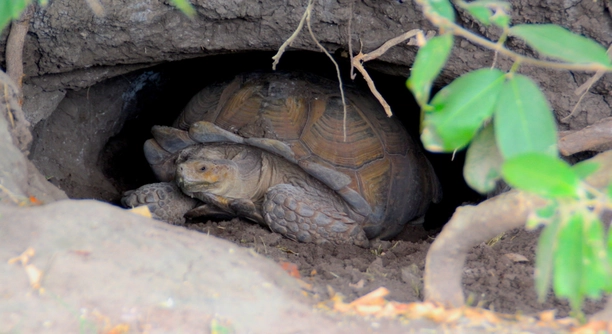
Sulcata tortoises are known for their calm demeanor, but they may suddenly act aggressively. This can be puzzling for owners who are used to their typically gentle nature. Understanding the causes of this change is important.
Aggression in sulcata tortoises can be triggered by several factors. These may include environmental stress, changes in habitat, hormonal fluctuations, or even illness. Identifying the specific cause can help address the behavior and ensure the tortoise’s well-being.
Understanding these potential triggers will help you manage your tortoise’s behavior and create a more comfortable environment for them.
Common Stress Triggers for Sulcata Tortoises
Stress is a leading cause of aggression in sulcata tortoises. Changes in their living environment can create tension, whether it’s due to temperature fluctuations, loud noises, or a new habitat setup. These tortoises are sensitive to sudden shifts and can become defensive when they feel threatened or unsafe. Their territorial nature can also contribute to aggressive behavior. If they are placed in an area with other animals or unfamiliar surroundings, they may respond with increased aggression to protect their space.
While it might be difficult to pinpoint stress immediately, observing your tortoise’s behavior can reveal signs of discomfort. Aggression usually manifests as biting, head bobbing, or rapid movements. These actions are often a response to environmental discomfort. Keeping a consistent, quiet, and stable habitat is essential to prevent these reactions.
Creating a calm space and offering opportunities for natural behaviors can help reduce stress. Providing enough space for your tortoise to move freely, along with consistent temperature and humidity levels, can minimize stress and aggression.
Hormonal Changes
Aggression can also stem from hormonal changes. During mating season, male sulcata tortoises often become more territorial and may exhibit aggressive behaviors. This is especially true if they sense the presence of a potential mate.
Hormones can influence their behavior, causing increased aggression towards other males or even females. This seasonal aggression is normal, but it can be challenging for owners to manage. Understanding that this behavior may only last for a certain period can help reduce frustration. Adjusting their living space to minimize encounters with other tortoises can help manage this aggression.
Illness or Injury
Aggression can also be a result of illness or injury. A sulcata tortoise that is in pain may lash out. Common issues like shell rot, respiratory infections, or fractures could cause discomfort. It’s essential to monitor any sudden changes in behavior, as they may indicate a health problem that needs attention.
Tortoises are often good at hiding pain, so it can be difficult to detect injuries right away. A sudden aggressive outburst could be a sign that something is wrong. If you suspect illness or injury, it’s best to consult a veterinarian. They can perform a thorough examination to identify any underlying issues. Early intervention can prevent further complications and reduce aggressive behavior caused by discomfort.
If your tortoise is showing signs of aggression and you’ve ruled out environmental stress or hormonal changes, consider scheduling a vet visit. Timely diagnosis and treatment can improve your tortoise’s behavior and overall health.
Environmental Factors
Sulcata tortoises need specific environmental conditions to thrive. Any significant change in temperature, lighting, or humidity can lead to stress, which may trigger aggressive behavior. These tortoises are particularly sensitive to their surroundings, and failure to meet their basic needs can cause frustration.
Providing a stable environment with proper lighting, heating, and humidity is key to keeping your tortoise calm. A temperature gradient, ranging from warm basking areas to cooler hiding spots, is essential. Make sure the habitat is large enough to allow for movement, as overcrowding can lead to territorial aggression. Regularly check the temperature and humidity levels to ensure they are in the optimal range for sulcata tortoises.
Keeping your tortoise in a habitat that mimics their natural environment helps reduce stress and aggression. They will feel more secure and comfortable, which reduces the likelihood of defensive behaviors.
Lack of Socialization
Sulcata tortoises are naturally solitary, but a lack of socialization can still lead to aggressive behavior. If a tortoise is not exposed to humans or other animals regularly, they may become more fearful and defensive. Gradual exposure can help ease them into social situations.
Building trust with your tortoise requires patience. Spend time near their habitat without forcing interaction, allowing them to get used to your presence. Offering food or treats can create positive associations. Over time, they may become more comfortable and less likely to react aggressively.
Diet and Nutrition
Aggression may also arise from poor diet and nutritional deficiencies. An unbalanced diet can lead to irritability and stress in sulcata tortoises. Providing a varied diet rich in calcium, fiber, and essential vitamins helps keep them healthy and content.
A diet consisting mainly of leafy greens and hay will ensure your tortoise receives proper nutrition. Offering occasional fruit can provide extra vitamins, but avoid overfeeding. Proper calcium intake is essential for shell health and overall well-being. Check with a vet for specific dietary recommendations based on your tortoise’s age and health needs.
Lack of Space
Sulcata tortoises are large creatures that require ample space to roam. A cramped environment can lead to stress and territorial aggression. A spacious enclosure gives them room to move freely, reducing the likelihood of frustration-driven behavior.
A larger habitat with access to outdoor space is ideal. Ensure the enclosure includes hiding spots, basking areas, and places for your tortoise to dig. The more room they have, the less likely they are to act aggressively due to confinement.
FAQ
Why is my sulcata tortoise suddenly more aggressive?
Aggression in sulcata tortoises is often caused by stress, hormonal changes, illness, injury, or environmental factors. If the habitat has changed, if the tortoise is experiencing pain, or if its temperature or humidity is off, it can become defensive. Hormonal fluctuations, particularly during mating seasons, can also lead to aggressive behavior. If aggression seems unusual or persistent, it’s best to consult a vet to rule out any underlying health issues.
Can a sulcata tortoise hurt me if it’s aggressive?
Although sulcata tortoises are not typically aggressive toward humans, their large size and strong jaws can cause injury if they do become aggressive. Bites can be painful and potentially lead to bruising. It’s best to avoid handling an aggressive tortoise and give them space to calm down. Be cautious when interacting, especially if they show signs of aggression, such as head bobbing or rapid movements.
How can I prevent my sulcata tortoise from becoming aggressive?
To prevent aggression, ensure your sulcata tortoise has a stable and stress-free environment. Avoid sudden changes in temperature or habitat and provide enough space for the tortoise to move freely. Regular handling and interaction, along with maintaining a proper diet and ensuring good health, can also help reduce stress. Consistency and patience are key.
Is it normal for a sulcata tortoise to be aggressive during mating season?
Yes, aggression during mating season is common among male sulcata tortoises. They may become more territorial and aggressive towards other males or even females. This behavior is hormonal and temporary. Providing separate spaces for multiple tortoises and limiting interactions during this time can help manage aggression.
What signs should I look for to know if my tortoise is sick or injured?
Signs of illness or injury in a sulcata tortoise include a lack of appetite, lethargy, labored breathing, discharge from the eyes or nose, swelling, or abnormal movement. If your tortoise is suddenly aggressive, it may be due to pain or discomfort caused by an injury. Check for visible wounds, cracks in the shell, or signs of infection. If you notice any of these symptoms, consult a veterinarian for a proper diagnosis.
Can diet affect my sulcata tortoise’s aggression?
Yes, a poor diet can lead to nutritional deficiencies, which may cause irritation and stress, potentially resulting in aggression. A balanced diet that includes high-quality hay, dark leafy greens, and calcium supplements can help maintain your tortoise’s health and mood. Avoid feeding too much fruit, as it can upset their digestive system. Ensure the diet is varied and rich in fiber and essential vitamins.
Is my sulcata tortoise’s aggression caused by hunger or thirst?
It is possible that aggression could be linked to hunger or thirst. Sulcata tortoises need a steady supply of fresh water and food. If your tortoise is hungry or dehydrated, it may become more irritable or defensive. Make sure your tortoise has access to fresh food and clean water at all times. If your tortoise seems unusually aggressive, check its food and water supply as a first step.
Can sulcata tortoises be kept together?
Sulcata tortoises are solitary animals by nature, and keeping them together can sometimes lead to aggression. Males are particularly territorial, and even females can become aggressive if they feel crowded or threatened. If you want to house multiple tortoises, ensure there is enough space and separate hiding spots for each. It’s often better to keep them in separate enclosures, especially if one shows signs of aggression towards the others.
How do I handle an aggressive sulcata tortoise?
If your sulcata tortoise becomes aggressive, it’s important to remain calm and avoid forcing any interaction. Let them calm down in their space. If they are aggressive during handling, it’s best to stop and wait until they are more relaxed. Avoid making sudden movements or loud noises around them, as this can increase stress. Keep interactions positive and gentle, and avoid handling during periods of aggression or mating season.
What should I do if my sulcata tortoise is not eating and acting aggressive?
A sulcata tortoise that stops eating and becomes aggressive may be experiencing stress, illness, or an injury. First, check its environment for potential stressors, such as incorrect temperature or humidity. If the habitat seems fine, it could be a health issue. A lack of appetite and aggression often signals something is wrong. If these behaviors persist, visit a vet for a thorough examination. It’s crucial to act quickly to avoid further complications.
Final Thoughts
Understanding why your sulcata tortoise is acting aggressively is key to resolving the behavior. While it can be concerning when your tortoise seems out of sorts, it is often a sign that something in its environment or health needs attention. Common causes of aggression include stress, improper care, dietary issues, or even hormonal changes. By carefully observing your tortoise and identifying potential stressors, you can address the root cause and help your pet feel more comfortable and relaxed.
It’s essential to provide a stable and well-maintained environment for your sulcata tortoise. Ensuring that the enclosure is large enough, that temperature and humidity are correctly regulated, and that they have access to fresh food and water is crucial. Socialization is also important, but it must be done gradually and with patience. If your tortoise shows aggression, avoid forcing interactions and allow it to adjust at its own pace. Creating a stress-free environment will go a long way in reducing aggressive behaviors.
If the aggression persists despite improving the environment, diet, and socialization, it may be time to consult a veterinarian. Health issues like pain or illness can lead to sudden changes in behavior. A vet can help rule out any underlying medical conditions and offer advice on how to proceed. By paying attention to your tortoise’s behavior and ensuring its well-being, you can prevent aggression and foster a happier, healthier life for your pet.

Hello,
If you enjoy the content that we create, please consider saying a "Thank You!" by leaving a tip.
Every little bit helps us continue crafting quality advice that supports the health, happiness, and well-being of pets around the world, for pets of all shapes, sizes, and species.
We really appreciate the kindness and support that you show us!