
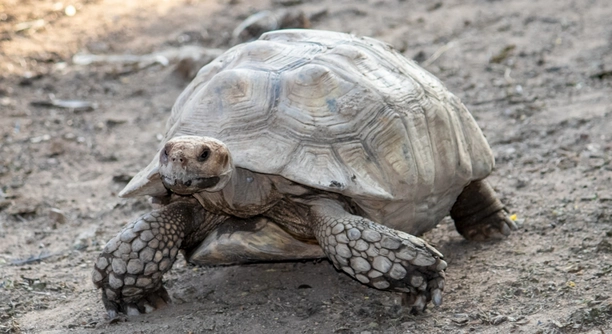
Sulcata tortoises are herbivores that enjoy a variety of vegetables in their diet. But not all greens and vegetables are suitable for them. Understanding which foods are safe and healthy is essential for their well-being.
Sulcata tortoises can eat celery in moderation. While celery is not harmful, it is not particularly beneficial due to its low nutritional value. It can be fed occasionally as a snack, but should not replace more nutritious options.
The right foods can significantly impact your tortoise’s health. Keep reading to learn how celery fits into their diet and if there are better options for them.
Nutritional Value of Celery for Sulcata Tortoises
Celery is made mostly of water, which can help keep your tortoise hydrated. However, it offers very little in terms of vitamins and minerals that are essential for a healthy tortoise. The high water content means celery doesn’t provide much fiber either. While it can add variety to your tortoise’s diet, it should never be a staple.
It’s important to balance celery with other vegetables that provide essential nutrients like calcium and vitamin A. Too much water and too few nutrients can affect your tortoise’s digestion and overall health.
For a healthy diet, focus on dark leafy greens such as kale, collard greens, and dandelion leaves. These vegetables have the nutrients your tortoise needs to stay strong and active. You can still offer celery, but it should be an occasional treat rather than a regular part of their meals. Offering a variety of nutritious vegetables will keep your tortoise healthy and happy in the long run.
How Often Can You Feed Celery to a Sulcata Tortoise?
Celery can be fed to a Sulcata tortoise once or twice a week. It should not be the primary food choice.
When incorporating celery into their diet, moderation is key. While it doesn’t pose a risk, feeding it too often could lead to an imbalance. Keep other, more nutrient-rich vegetables at the forefront of your tortoise’s meals.
Risks of Feeding Too Much Celery to Sulcata Tortoises
Feeding too much celery to your Sulcata tortoise can cause digestive issues. Due to its high water content, it may lead to diarrhea or other stomach problems if overfed.
If celery is offered too frequently, it might also affect their intake of more nutrient-dense foods. Without enough variety in their diet, tortoises can become deficient in essential vitamins and minerals. This can weaken their immune system and overall health. Stick to offering celery sparingly and make sure their main meals consist of more nutritious vegetables to ensure their long-term well-being.
Hydration is essential, but it’s important to give your tortoise proper, nutrient-rich greens. Avoid over-relying on celery as a water source, and balance it with other veggies that help support strong bones, healthy digestion, and a stable immune system.
How Celery Fits Into a Sulcata Tortoise’s Diet
Celery can be considered a low-calorie snack that adds variety to your tortoise’s diet. It doesn’t offer much in terms of nutritional content but can be a refreshing treat now and then.
When it comes to a balanced diet, prioritize leafy greens like collard greens, kale, and mustard greens. These foods provide necessary nutrients that celery cannot match. While celery might be fun for your tortoise to nibble on, it shouldn’t be the focal point of their meals.
Occasionally offering celery as part of a broader mix of vegetables can provide variety without compromising their nutritional intake. Ensure the majority of their meals include high-fiber, nutrient-dense greens and other foods that are rich in vitamins and minerals to keep your tortoise in optimal health.
Can Celery Be Harmful to Sulcata Tortoises?
Celery is not harmful in small amounts, but it can cause issues if fed too frequently. The high water content can lead to digestive upset.
The main concern is its lack of essential nutrients. Relying on celery as a regular part of their diet can leave your tortoise malnourished and weak.
Other Vegetables Better Than Celery for Sulcata Tortoises
Leafy greens like dandelion greens, turnip greens, and mustard greens are far better choices for your tortoise. These vegetables offer more vitamins, minerals, and fiber that contribute to a balanced diet.
Incorporating a variety of leafy greens and other vegetables ensures your tortoise gets all the nutrients it needs. Make sure to mix different options for a well-rounded, healthy diet.
Alternatives to Celery for Variety in Your Tortoise’s Diet
Carrots, squash, and bell peppers are great alternatives to celery. These provide more vitamins and nutrients that your tortoise will benefit from.
In addition, these vegetables can be offered in small amounts to give your tortoise some variety while keeping their health in check.
Can Sulcata Tortoises Eat Celery Every Day?
Feeding celery to your Sulcata tortoise every day is not recommended. While it is not toxic, celery lacks the nutrients necessary for a healthy, balanced diet. A daily diet of celery can lead to nutritional deficiencies, as it doesn’t provide sufficient vitamins, minerals, or fiber.
Tortoises need a variety of leafy greens and vegetables to meet their nutritional needs. Celery can be offered occasionally, but it should not replace more nutritious options. Feeding celery daily could result in health problems like poor shell growth or weak bones due to lack of calcium and other important nutrients.
How Much Celery Should I Feed My Sulcata Tortoise?
Celery should be given in small amounts, no more than a few times a week. The goal is to provide variety, not to make it a main ingredient in your tortoise’s meals. Overfeeding celery could disrupt your tortoise’s digestive system, causing diarrhea or discomfort.
To ensure your Sulcata tortoise receives the necessary nutrients, stick to feeding leafy greens, hay, and other vegetables that are richer in fiber and vitamins. Celery should only be a minor part of a diverse, healthy diet.
Is Celery Safe for Baby Sulcata Tortoises?
Celery is not the best choice for baby Sulcata tortoises. They need nutrient-dense foods to grow strong and healthy, and celery simply doesn’t offer that. Baby tortoises need a higher concentration of vitamins and minerals, especially calcium for proper shell development.
While celery won’t harm a baby tortoise if given sparingly, it’s best to avoid it and focus on greens like dandelion leaves, clover, and other calcium-rich options. These greens support their growth and ensure their bones and shell develop properly during their crucial early years.
Can Sulcata Tortoises Eat Celery Stalks?
Yes, Sulcata tortoises can eat celery stalks, but they are not particularly nutritious. The stalks offer fiber, but they lack the essential vitamins and minerals your tortoise needs for overall health. It’s okay to feed celery stalks as an occasional treat, but they should not make up a large part of your tortoise’s diet.
You can also chop the celery stalks into smaller pieces to make them easier for your tortoise to eat. Remember to balance the celery with other more nutritious options, ensuring your tortoise gets a well-rounded diet that promotes healthy digestion and growth.
Can Celery Be Harmful to Sulcata Tortoises in Large Amounts?
Yes, feeding your Sulcata tortoise large amounts of celery can be harmful. While celery is not toxic, the high water content and low nutritional value mean it doesn’t provide the nutrients that your tortoise needs. If overfed, it can cause digestive issues, such as diarrhea or bloating.
Large amounts of celery can also lead to nutritional imbalances. Your tortoise may become deficient in key nutrients like calcium, which is important for their shell health. Therefore, celery should only be an occasional snack, not a regular part of their diet.
What Vegetables Should Be Avoided for Sulcata Tortoises?
Certain vegetables should be avoided in your Sulcata tortoise’s diet. These include spinach, lettuce (iceberg variety), and rhubarb. Spinach contains oxalates, which can interfere with calcium absorption, while iceberg lettuce provides little nutritional value. Rhubarb contains oxalates and can be toxic in large amounts.
Stick to vegetables like dandelion greens, collard greens, and turnip greens for a nutrient-dense diet. These options are high in calcium and other essential vitamins. Ensure that your tortoise’s diet is as varied as possible to keep them healthy and active.
Can I Feed My Sulcata Tortoise Fruit?
While fruits can be fed to Sulcata tortoises, they should be offered sparingly. Fruits like apples, strawberries, and melons are high in sugar and should not make up a significant portion of their diet. Too much sugar can lead to obesity and other health issues.
If you do feed fruit, limit it to small amounts, and always pair it with nutrient-rich vegetables. Stick to a diet that prioritizes greens and high-fiber vegetables to ensure your tortoise stays healthy and does not develop any diet-related health problems.
When it comes to feeding your Sulcata tortoise, celery can be a part of their diet, but it should be treated as an occasional snack rather than a regular meal. Although celery is not harmful in small amounts, it lacks the nutrients that are crucial for your tortoise’s health. It’s important to remember that a balanced diet is key to their well-being. Dark leafy greens and other vegetables that are rich in vitamins and minerals should make up the bulk of their diet. Celery can be offered from time to time to add variety, but it should never replace more nutrient-dense foods.
Celery’s high water content can make it a refreshing option for hydration, but it doesn’t provide enough fiber or vitamins to support your tortoise’s growth and long-term health. Overfeeding celery could lead to digestive issues or nutritional imbalances, which can negatively impact their shell growth and overall vitality. While it’s safe to offer celery in moderation, it’s best to focus on a variety of greens like dandelion leaves, kale, and collard greens to ensure your tortoise gets the nutrients they need.
Understanding what foods are beneficial and which should be limited is essential for a healthy Sulcata tortoise. A varied diet of leafy greens, occasional fruits, and the right vegetables will help support their growth and longevity. Celery may be a fun snack for your tortoise every now and then, but it should always come second to more nutritious options. By making thoughtful choices about what your tortoise eats, you can ensure they stay strong, healthy, and happy for years to come.

Hello,
If you enjoy the content that we create, please consider saying a "Thank You!" by leaving a tip.
Every little bit helps us continue crafting quality advice that supports the health, happiness, and well-being of pets around the world, for pets of all shapes, sizes, and species.
We really appreciate the kindness and support that you show us!