
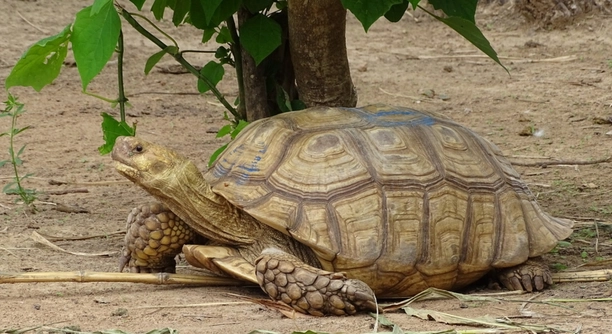
Eye swelling in sulcata tortoises can be a concerning issue for pet owners. Understanding the possible causes and treatment options is crucial to ensuring your tortoise remains healthy and comfortable in its environment.
The most common causes of eye swelling in sulcata tortoises include infections, dehydration, inadequate diet, environmental stress, foreign objects, eye injuries, and respiratory issues. Identifying the specific cause is essential for proper treatment and care.
Knowing how to treat eye swelling can make a significant difference in your tortoise’s well-being. Identifying the right cause allows you to take action and support your tortoise’s recovery effectively.
1. Infections and Eye Swelling in Sulcata Tortoises
Infections are one of the main reasons for eye swelling in sulcata tortoises. These can be caused by bacteria, fungi, or viruses. A tortoise may develop an infection in the eye if there is an injury or a compromised immune system. Swelling can occur due to the inflammation and discharge that often accompanies infections. It’s important to pay attention to other signs like cloudy or oozing eyes, as these can indicate an infection that needs prompt treatment.
If an infection is suspected, the first step is to clean the eye gently with saline solution and consult with a vet. They may recommend an antibiotic ointment or other treatments depending on the severity. The infection might also be linked to improper care or unsanitary living conditions, which should be addressed immediately.
If the infection goes untreated, it can worsen, causing long-term damage to the eye or even loss of sight. Always follow the vet’s recommendations to ensure the infection heals completely and that your tortoise is as comfortable as possible during recovery.
2. Dehydration as a Cause of Swelling
Dehydration can lead to eye swelling in sulcata tortoises, as it affects their overall health.
A lack of proper hydration can cause the body to retain fluids in certain areas, including the eyes. This fluid retention may result in puffiness or swelling. It’s essential to provide your tortoise with clean water at all times and to monitor their hydration levels. Keeping a consistent moisture level in the environment can help prevent dehydration.
Ensuring that your tortoise has access to water is crucial. You can also offer water-soaked vegetables or fruits as a way to improve hydration. If dehydration continues, it can lead to more severe health issues, including organ damage, so addressing this early is key to preventing complications.
3. Inadequate Diet and Eye Swelling
An improper diet can lead to eye swelling in sulcata tortoises. These tortoises require a specific balance of nutrients to maintain their health, and a lack of vitamins can cause various health issues, including swelling around the eyes.
A diet lacking in Vitamin A is often a contributing factor. Vitamin A is essential for eye health, and a deficiency can lead to swelling, crusty eyes, and even blindness in severe cases. You can prevent this by offering a variety of leafy greens, such as dandelion leaves, and including high-fiber vegetables. Adding supplements to their diet might also help if they’re not getting enough from food alone.
Monitor your tortoise’s food intake closely and make sure they are eating a balanced diet rich in essential vitamins. If your tortoise shows signs of eye swelling due to poor nutrition, adjusting the diet and adding supplements should help address the problem quickly. A well-fed tortoise will be more active, healthy, and less prone to swelling.
4. Environmental Stress and Swelling
Environmental stress can contribute to eye swelling in sulcata tortoises.
If a tortoise is stressed, whether from temperature changes, loud noises, or overcrowding, it can lead to physical symptoms like eye swelling. Stress weakens the immune system, making the tortoise more vulnerable to other issues like infections.
Creating a calm and stable environment is essential to prevent stress. A suitable temperature range, plenty of space, and a quiet area will help your tortoise feel safe. If the stress continues, it might lead to chronic health problems. It’s crucial to observe their behavior and take action before stress becomes a long-term issue.
5. Foreign Objects in the Eyes
Foreign objects, such as dust, dirt, or small debris, can cause swelling around a tortoise’s eyes. These objects may irritate the delicate eye tissues and lead to inflammation.
To help your tortoise, gently rinse their eyes with saline solution to flush out any foreign matter. Be careful not to force anything into the eye, as it could cause further harm.
If the swelling persists or worsens, consult a veterinarian. They can safely examine the eye and remove any foreign objects without causing injury. Keeping your tortoise’s habitat clean will help prevent debris from entering the eyes in the first place.
6. Eye Injuries and Swelling
An eye injury can result from an accidental bump or scratch. This type of injury can lead to swelling, and in some cases, it might cause bleeding or tears.
If your tortoise sustains an eye injury, assess the severity right away. Gently clean the area and apply an antibiotic ointment if needed. If the swelling doesn’t subside or if there’s visible trauma to the eye, it’s important to seek veterinary care. The vet can evaluate the injury and recommend the best course of treatment to avoid long-term damage.
7. Respiratory Issues and Swelling
Respiratory infections in sulcata tortoises often manifest with symptoms like eye swelling. When the respiratory system is affected, the nasal passages and eyes may become inflamed.
If your tortoise has trouble breathing, or you notice thick nasal discharge along with eye swelling, these signs point to a respiratory infection. Treating the infection early is essential to prevent it from becoming severe. A veterinarian can prescribe medications to help clear the infection and reduce swelling. Adjusting temperature and humidity levels in their environment can also prevent respiratory issues from reoccurring.
FAQ
What should I do if my sulcata tortoise’s eyes are swollen?
If you notice eye swelling in your sulcata tortoise, first determine if there are any other symptoms like discharge, crusty eyes, or changes in behavior. Clean the eyes gently with saline solution to remove any dirt or debris. Make sure your tortoise is well-hydrated and monitor their diet to ensure it’s rich in necessary nutrients. If the swelling doesn’t improve or gets worse, consult a veterinarian for a proper diagnosis and treatment plan.
Can a sulcata tortoise’s eyes swell from stress?
Yes, environmental stress can cause eye swelling. Stress weakens a tortoise’s immune system, making them more susceptible to infections or inflammation. Factors like extreme temperature changes, loud noises, or overcrowded living conditions can contribute to stress. Ensure your tortoise has a stable, quiet environment with proper heating and enough space to roam comfortably.
How can I tell if my tortoise’s eye swelling is caused by an infection?
Infection-related eye swelling usually comes with other signs such as discharge, pus, or a cloudy appearance in the eye. If your tortoise seems lethargic, has difficulty opening their eyes, or shows signs of discomfort when touched near the eyes, it could be an infection. It’s best to consult a vet who can prescribe the proper medication, such as antibiotics, to treat the infection.
Can dehydration cause eye swelling in sulcata tortoises?
Yes, dehydration is another common cause of eye swelling. When a tortoise is dehydrated, the body may retain fluids in the eyes, leading to puffiness. Make sure your tortoise always has access to clean water. If your tortoise isn’t drinking enough, try soaking them in warm water for 10-15 minutes to help with hydration. Also, offer water-rich vegetables and fruits like cucumbers or watermelon.
Is a lack of Vitamin A the cause of eye swelling?
A deficiency in Vitamin A can cause eye swelling in sulcata tortoises. Vitamin A is vital for eye health, and without it, tortoises may experience swelling, crusting, and even blindness in severe cases. To prevent this, feed your tortoise a balanced diet with plenty of leafy greens, such as collard greens, and consider adding Vitamin A supplements if necessary.
What should I do if my sulcata tortoise has a foreign object in its eye?
If your tortoise has something in their eye, like dirt or debris, it may cause swelling and irritation. Carefully rinse the eye with saline solution to flush out the foreign object. If you can’t see anything or if the swelling doesn’t go away, take your tortoise to the vet. They can help remove any particles safely and prevent further irritation.
How can I prevent eye swelling in my sulcata tortoise?
To prevent eye swelling, ensure your tortoise has a clean, stress-free environment with the right temperature and humidity. Provide a nutritious diet that includes plenty of Vitamin A-rich foods like leafy greens. Also, make sure your tortoise always has access to clean water and isn’t dehydrated. Regularly check their eyes for any signs of infection, debris, or injury.
Can eye injuries lead to permanent damage?
Yes, if an eye injury in a sulcata tortoise is not treated properly, it can lead to permanent damage. Swelling from an injury should be addressed quickly to avoid further complications. After cleaning the eye and applying any prescribed medication, monitor your tortoise closely. If swelling or pain persists, visit a vet for further examination and treatment.
How can I tell if my tortoise has a respiratory infection?
A respiratory infection in sulcata tortoises can cause symptoms like eye swelling, nasal discharge, and labored breathing. If your tortoise is breathing heavily, has watery eyes, or shows any other signs of illness, it may have a respiratory infection. A vet can diagnose the issue and provide antibiotics to treat the infection.
How long does it take for eye swelling to go away in a tortoise?
The time it takes for eye swelling to resolve depends on the cause. If the swelling is due to a mild injury or dehydration, it could go away within a few days after providing proper care. However, if the swelling is caused by an infection or other health problems, it may take longer to heal and may require veterinary treatment.
Can environmental humidity cause eye swelling in sulcata tortoises?
Yes, low humidity in the environment can contribute to eye swelling in sulcata tortoises. Tortoises need a specific level of humidity to stay healthy. Too much or too little humidity can lead to respiratory issues and eye problems. Ensure the enclosure has proper humidity levels to prevent these issues from arising.
Final Thoughts
Eye swelling in sulcata tortoises can be concerning, but with the right care, it’s possible to address the issue and help your tortoise recover. The causes of eye swelling vary, from infections and dehydration to environmental stress and poor diet. Understanding the underlying reason for the swelling is key to providing the best treatment. Whether it’s improving hydration, adjusting the diet, or creating a less stressful environment, taking action early can prevent further complications. It’s important to pay attention to your tortoise’s behavior and any changes in their eyes, as this can give you clues to the problem.
When dealing with eye swelling, always be cautious. While some issues can be resolved at home with simple solutions like saline rinses or dietary changes, others may require professional intervention. If the swelling doesn’t improve or if there are additional symptoms such as discharge, difficulty opening the eyes, or changes in behavior, consulting a veterinarian is the best course of action. They can diagnose the problem accurately and provide medications or treatments to help your tortoise recover fully. Avoiding home remedies that might not be appropriate for your tortoise’s specific condition can also prevent unnecessary harm.
Lastly, taking preventative measures will help reduce the risk of eye swelling in the future. Keeping your tortoise’s habitat clean and free from debris, maintaining proper humidity and temperature levels, and ensuring a well-balanced diet can all contribute to their overall health. By staying observant and proactive, you can help your sulcata tortoise live a happy and healthy life, free from unnecessary health issues. Regular checkups with a vet and keeping their environment stable will make a big difference in preventing eye swelling and other common health problems.

Hello,
If you enjoy the content that we create, please consider saying a "Thank You!" by leaving a tip.
Every little bit helps us continue crafting quality advice that supports the health, happiness, and well-being of pets around the world, for pets of all shapes, sizes, and species.
We really appreciate the kindness and support that you show us!