
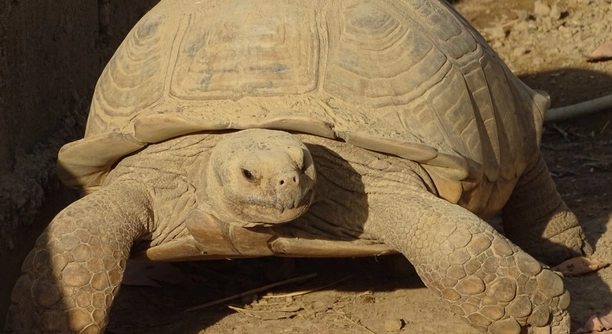
Sulcata tortoises are known for their varied diet, and fruits are often a treat they enjoy. Mangoes are one such fruit, but it’s important to know how much is safe to feed them.
Mangoes can be a nutritious snack for Sulcata tortoises, but they should only be given in moderation. These tortoises thrive on a diet of grass, hay, and vegetables, with fruit offered occasionally to prevent digestive issues.
Knowing the right amount of mango for your tortoise is key to maintaining their health and well-being.
Why Mangoes Are Safe for Sulcata Tortoises
Mangoes are packed with vitamins and antioxidants, making them a tasty and healthy treat for Sulcata tortoises. However, just because a food is nutritious doesn’t mean it’s always safe in large amounts. Mangoes contain sugars, which can cause digestive problems or weight gain if consumed excessively. It’s essential to balance mangoes with their primary diet, which consists of grasses and leafy greens. Offering small portions of mango will allow your tortoise to enjoy the fruit without harming its health. By introducing variety in the diet, you’ll ensure your tortoise gets the right nutrients in proper amounts.
Moderation is key when feeding mango to Sulcata tortoises. Although they can enjoy the sweet taste, it’s best to limit their intake to avoid potential health issues.
Always peel the mango before serving. The skin can be difficult to digest, and the pit poses a choking hazard. Offering a small, diced portion of mango is the safest approach. When providing fruit, it should always be a small part of their balanced diet.
How Much Mango Is Safe to Feed a Sulcata Tortoise?
Feeding mango too often can lead to digestive problems. A small slice or a few bite-sized pieces once or twice a week is the ideal amount. This allows your tortoise to enjoy the fruit without overloading on sugar. Avoid giving them large portions, as their digestive systems are sensitive to too much sugar.
By sticking to a limited serving, you’ll ensure your Sulcata tortoise stays healthy while still enjoying the occasional sweet treat.
How Often Can You Feed Mango to a Sulcata Tortoise?
Mango should be an occasional treat, not a regular part of their diet. Feeding it once or twice a week is a good guideline. Regular fruit intake, including mango, can lead to an unbalanced diet, which may impact their overall health and longevity.
Over time, a Sulcata tortoise might develop a preference for sweet fruit, making it harder to maintain a balanced diet. Fruits like mango can cause them to become picky eaters, leading them to refuse more nutritious greens and grasses. Keeping mango as an occasional treat helps prevent this from happening. Consistency with healthy, fibrous foods is crucial for their well-being.
Additionally, keeping track of how much fruit your tortoise consumes helps you maintain control over its sugar intake. Limiting mango helps promote healthy digestion and weight management, reducing the risk of obesity or other health issues.
The Nutritional Value of Mango for Sulcata Tortoises
Mangoes are rich in vitamins A, C, and E, which can contribute to a tortoise’s overall health. Vitamin A supports eye health and a strong immune system, while vitamin C helps with tissue repair and immunity. Vitamin E plays a role in preventing oxidative stress. However, while these vitamins are beneficial, Sulcata tortoises generally get enough of them from their regular diet. Offering mango once in a while adds an extra boost, but should not replace their primary food.
Despite its nutritional value, mango should not be relied on as a primary source of vitamins for your tortoise. Too much sugar can overwhelm their system, leading to digestive issues or making them prone to weight gain. A healthy diet made up of primarily high-fiber grasses and leafy greens should remain their top priority.
Risks of Feeding Too Much Mango to a Sulcata Tortoise
Excess mango can cause digestive problems in Sulcata tortoises. The high sugar content may lead to diarrhea or an upset stomach. It’s essential to monitor their reaction to new foods to avoid overfeeding and ensure they remain healthy.
Overfeeding mango can also contribute to obesity. Sulcata tortoises have slow metabolisms, and excessive sugar from fruits like mango can cause them to gain weight too quickly. This can lead to long-term health issues such as joint problems or difficulty moving. A controlled, balanced diet is key to their well-being.
Alternatives to Mango for Sulcata Tortoises
Offering a variety of safe fruits and vegetables, like leafy greens, squash, and berries, will give your Sulcata tortoise more nutrients. These options are better for their digestive system and provide a more balanced diet. Fruits should remain a small treat, with most of their food being high-fiber plants.
When to Avoid Mango for Your Sulcata Tortoise
If your tortoise has a history of digestive problems, it’s best to avoid mango. In such cases, even small amounts of fruit could cause discomfort or illness. Always consult with a vet if you have any concerns about your tortoise’s diet.
FAQ
Can Sulcata tortoises eat mango regularly?
Mango should not be a regular part of a Sulcata tortoise’s diet. Although it’s safe as an occasional treat, frequent consumption can lead to digestive issues and obesity. Their primary diet should consist of grasses, hay, and leafy greens, with fruit only served sparingly.
What are the signs that my Sulcata tortoise is eating too much mango?
Signs that your tortoise may be eating too much mango include diarrhea, bloating, and a decrease in appetite for their usual foods. Overfeeding fruit can disrupt their digestive system, leading to discomfort or weight gain. If you notice these symptoms, cut back on the mango and monitor their health.
How do I prepare mango for my Sulcata tortoise?
Mango should be peeled and cut into small, manageable pieces before offering it to your tortoise. The skin is tough and difficult to digest, and the pit poses a choking hazard. Only provide small portions to avoid overfeeding.
Can mango be harmful to Sulcata tortoises if they eat too much?
Yes, mango can be harmful if eaten in large amounts. The sugar content in mango can lead to digestive issues like diarrhea, dehydration, or weight gain. Long-term overfeeding of sugary fruits can also affect their overall health, making moderation essential.
What fruits can I safely feed my Sulcata tortoise?
Sulcata tortoises can safely eat fruits such as strawberries, blueberries, and melon, but they should only be given occasionally. Fruits like apple slices or pears are also good choices, as long as the portion sizes are small and balanced with their regular diet of high-fiber plants.
Are there any fruits I should avoid giving my Sulcata tortoise?
Avoid fruits that are too acidic or high in sugar, such as citrus fruits like oranges and lemons. These can upset their digestive system and lead to problems like diarrhea or stomach pain. Also, avoid dried fruits, as they are often too high in sugar and preservatives.
Can feeding mango to my Sulcata tortoise cause obesity?
Yes, feeding too much mango or other high-sugar fruits can contribute to obesity in Sulcata tortoises. These tortoises have slow metabolisms, so any excess calories can quickly turn into fat. Keep mango and other sweet fruits to a minimum to maintain a healthy weight.
How much mango can I feed my Sulcata tortoise?
A small piece of mango, roughly the size of a walnut, is an appropriate serving. Offer it once or twice a week to keep their diet balanced. It’s important not to exceed this amount, as their primary nutrition should come from grasses and leafy greens.
Can Sulcata tortoises eat mango leaves?
Mango leaves are not recommended for Sulcata tortoises. While they are not toxic, mango leaves can be tough and difficult for tortoises to digest. Stick to safe, easily digestible greens like dandelion leaves, collard greens, or mustard greens for their regular meals.
How can I tell if my Sulcata tortoise is enjoying mango?
If your tortoise eagerly eats the mango and seems to enjoy it, that’s a good sign that they’re happy with the treat. However, don’t rely solely on their excitement to gauge portion size. Monitor their overall behavior, eating habits, and health to ensure they’re not overindulging.
Can mango help with hydration for my Sulcata tortoise?
Mango contains water, so it can help with hydration to a small degree. However, it should not be relied upon as the primary source of water. Always provide fresh drinking water for your tortoise daily to keep them properly hydrated.
Is it safe to feed mango to baby Sulcata tortoises?
It’s best to avoid feeding mango to baby Sulcata tortoises, as their digestive systems are more sensitive. Young tortoises need a diet that’s higher in fiber and lower in sugar to promote healthy growth. Stick to more basic greens and grasses for babies until they’re older.
Should I feed mango to a sick Sulcata tortoise?
If your Sulcata tortoise is sick or recovering from an illness, it’s best to avoid feeding mango. The high sugar content can strain their weakened digestive system. Focus on offering them gentle, easily digestible foods and consult with a vet for dietary recommendations while they recover.
Final Thoughts
Feeding mango to your Sulcata tortoise can be a fun treat, but it should always be done in moderation. While mango is not harmful in small amounts, the high sugar content can lead to digestive issues and weight gain if overfed. It’s important to remember that Sulcata tortoises thrive on a diet rich in fiber, with grasses and leafy greens making up the majority of their meals. Fruit should be an occasional addition rather than a regular part of their diet.
A key takeaway is to always watch how your tortoise reacts to new foods, including mango. If they seem to struggle with digestion or show signs of discomfort, it’s best to reduce or stop giving them mango. Offering a variety of safe fruits in small portions can be a healthy way to introduce new flavors, but fruits like mango should not become a staple food. Instead, focus on providing foods that meet their nutritional needs without causing harm.
In the end, the health of your Sulcata tortoise depends on a balanced diet. Mango can be a pleasant treat once in a while, but it’s vital to prioritize their long-term well-being by sticking to the foods that best suit their natural diet. By monitoring portion sizes and choosing appropriate fruits and vegetables, you can help your tortoise live a healthy and happy life. Always consult with a vet if you’re unsure about what foods are best for your tortoise’s specific needs.

Hello,
If you enjoy the content that we create, please consider saying a "Thank You!" by leaving a tip.
Every little bit helps us continue crafting quality advice that supports the health, happiness, and well-being of pets around the world, for pets of all shapes, sizes, and species.
We really appreciate the kindness and support that you show us!