
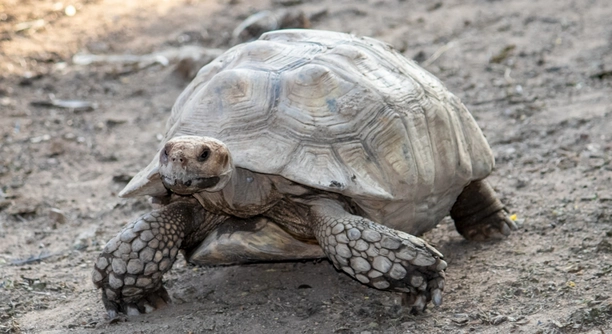
Sulcata tortoises are known for their sturdy build and grazing habits, but knowing what foods are safe for them can be tricky. One such food often questioned is beets, which come with both benefits and concerns.
Sulcata tortoises can eat beets in moderation, but they should not be a regular part of their diet. Beets are high in oxalates, which can interfere with calcium absorption and potentially lead to health issues if overfed.
While beets are safe as an occasional treat, it’s important to balance their diet with appropriate leafy greens and grasses to ensure their health. Keep reading to learn more about feeding your tortoise beets.
What are Beets and Why Are They Questioned for Tortoises?
Beets are root vegetables with a deep purple color, often found in salads or juices. They are rich in vitamins, minerals, and antioxidants, making them appealing to many pet owners. However, while they offer nutritional value to humans, the situation is different for Sulcata tortoises. Beets contain high levels of oxalates, compounds that can bind with calcium and prevent its absorption. This is particularly concerning for tortoises, whose shells and bones rely heavily on calcium. If fed too frequently, beets could negatively affect their health, causing problems like shell deformities or soft bones.
It’s essential to know that beets are not toxic to Sulcata tortoises. However, the high oxalate content means that they should be treated as an occasional snack, not a regular meal.
For a balanced diet, it’s recommended to feed your Sulcata tortoise foods that are low in oxalates, such as grasses, hay, and certain leafy greens. By limiting beet consumption and offering a variety of other foods, you can help support your tortoise’s overall health and well-being.
Should You Feed Beets to Your Sulcata Tortoise?
Although beets are not harmful in small amounts, you should avoid feeding them too often to your tortoise.
Beets are rich in nutrients, but their high oxalate levels pose a risk to tortoises when consumed in excess. Oxalates bind with calcium, creating calcium oxalate crystals, which can lead to kidney problems and hinder proper bone growth. Given that tortoises need adequate calcium for strong shells and bones, regular intake of foods with high oxalate content, like beets, can cause long-term health issues. The key to feeding them beets lies in moderation. A small piece of beetroot once or twice a month as a treat is acceptable, but it should not replace the necessary fiber from grasses or other greens that are safe for them to eat.
By offering a variety of vegetables and avoiding frequent feeding of high-oxalate foods, you can maintain a healthy diet for your tortoise without compromising its calcium intake.
The Risks of Feeding Beets to Sulcata Tortoises
Beets, though nutritious for humans, present some health risks for Sulcata tortoises. Their high oxalate content can interfere with calcium absorption, which is essential for their shell and bone development.
Feeding beets frequently can cause issues like kidney damage and weakened bones. Oxalates bind with calcium and prevent it from being absorbed properly. This could lead to soft shells and other skeletal problems over time. Tortoises depend on a steady intake of calcium for strong bones and a healthy shell, making it important to limit oxalate-rich foods.
If you decide to offer beets, do so sparingly, and always combine them with a balanced diet that includes low-oxalate vegetables and grasses. This ensures your tortoise stays healthy and strong while avoiding any calcium-related complications.
How to Safely Feed Beets to Sulcata Tortoises
To ensure your Sulcata tortoise enjoys beets safely, you should offer them in small portions.
First, peel and slice the beet into small pieces. This reduces the risk of overeating or digestive issues. Only feed beets as an occasional treat, no more than once or twice a month. Remember, they should not replace the essential leafy greens, grasses, or hay that make up the bulk of your tortoise’s diet. Stick to offering them a varied selection of other vegetables, ensuring they get the right balance of nutrients. Beets should never be a staple food in their routine.
By carefully limiting beet consumption, your tortoise can still enjoy the occasional treat without affecting its health.
Nutritional Value of Beets for Sulcata Tortoises
Beets are a good source of vitamins like A, C, and folate, along with fiber and antioxidants. However, these benefits are overshadowed by their oxalate content, which can pose risks to your tortoise’s health.
While beets can offer some nutritional benefits, they should not be a primary food source. Their oxalate levels are high enough to interfere with calcium absorption, which is vital for your tortoise’s skeletal health.
Alternatives to Beets for a Healthy Tortoise Diet
Leafy greens, such as collard greens, dandelion greens, and mustard greens, are better options for your tortoise. These provide a safe, nutritious alternative to beets.
These vegetables are low in oxalates and high in calcium, promoting healthy shell and bone growth. Offering a variety of greens will help ensure your Sulcata tortoise receives the nutrients it needs without the risk of oxalate-related health problems.
FAQ
Can beets cause kidney problems in Sulcata tortoises?
Yes, feeding too many beets to Sulcata tortoises can lead to kidney problems. Beets are high in oxalates, which bind to calcium and prevent it from being absorbed properly. This can lead to calcium deficiencies, which in turn can cause kidney issues over time. Kidney damage occurs when calcium is not available in the body to support the proper function of organs. It’s important to avoid overfeeding beets and provide a diet rich in safe, calcium-boosting foods like grasses and certain leafy greens.
How often can I feed my Sulcata tortoise beets?
Beets should only be offered as an occasional treat, not a regular part of your Sulcata tortoise’s diet. Aim for no more than once or twice a month. This will allow your tortoise to enjoy the occasional sweet treat without overexposing it to the high oxalate content that can interfere with calcium absorption. The bulk of their diet should consist of grasses, hay, and other low-oxalate vegetables to ensure they’re getting the proper nutrients for their health.
Are there any benefits to feeding Sulcata tortoises beets?
Beets can provide some nutritional benefits like vitamins A and C, folate, and antioxidants. These vitamins help support your tortoise’s immune system and overall well-being. However, the benefits are outweighed by the potential risks of calcium absorption problems. If you do decide to feed your tortoise beets, it should be in small quantities to avoid any long-term health issues. Focus on other vegetables that provide more consistent and safer nutritional benefits for your tortoise.
Can beets be harmful to baby Sulcata tortoises?
Beets can be especially harmful to baby Sulcata tortoises. Their bodies are still developing, and they are even more vulnerable to the negative effects of oxalates. A baby tortoise needs a proper balance of calcium to support its rapid growth and shell development. Since beets contain high levels of oxalates, feeding them to a baby tortoise regularly can stunt its growth and cause skeletal issues. It’s best to stick to a diet of appropriate leafy greens, hay, and grasses for young tortoises.
How can I prepare beets for my Sulcata tortoise?
If you choose to feed your tortoise beets, it’s essential to prepare them properly. First, wash the beets thoroughly to remove any dirt or pesticides. Peel off the skin to reduce the oxalate concentration, as most of the oxalates are found in the skin and outer layers. Slice the beet into small, manageable pieces to avoid overfeeding. Only give small portions of beetroot and remember that this should be an infrequent treat, not a daily offering. It’s best to serve beets alongside safer greens like dandelion or collard greens.
What vegetables should I avoid feeding my Sulcata tortoise?
In addition to beets, there are other vegetables you should avoid feeding your Sulcata tortoise regularly. These include spinach, kale, and Swiss chard, as they also contain high levels of oxalates. These vegetables can interfere with calcium absorption and lead to health problems. Likewise, avoid feeding your tortoise starchy vegetables like potatoes or corn. They can upset your tortoise’s digestive system and provide little nutritional benefit. Stick to a diet of grasses, safe leafy greens, and other low-oxalate vegetables to ensure your tortoise stays healthy.
Can beets be toxic to Sulcata tortoises?
No, beets are not toxic to Sulcata tortoises. However, the high oxalate content makes them risky for regular consumption. While they won’t cause immediate toxicity, over time, the oxalates in beets can interfere with calcium absorption, leading to potential health problems. To prevent this, feed beets sparingly and ensure your tortoise has access to plenty of calcium-rich foods to offset any negative effects.
What is the best diet for a Sulcata tortoise?
The best diet for a Sulcata tortoise consists mainly of grasses, hay, and leafy greens that are low in oxalates. Grasses should make up the bulk of their diet, as they are high in fiber and mimic their natural diet. Leafy greens like dandelion greens, collard greens, and mustard greens are excellent choices. It’s important to provide a variety of vegetables to ensure your tortoise receives a well-rounded nutrient profile. Calcium-rich foods, like certain types of grass and leafy greens, should be prioritized to maintain proper shell and bone health. Avoid feeding them high-oxalate vegetables like beets, spinach, and kale frequently.
Is it okay to feed Sulcata tortoises fruit?
Fruits should be fed sparingly to Sulcata tortoises. While they are not toxic, fruits are high in sugar and can upset their digestive system if fed too often. Some fruits, like apples, strawberries, and melons, can be offered in small amounts once in a while as a treat. However, they should never replace the necessary fiber and calcium-rich greens in their diet. Overfeeding fruit can lead to obesity and digestive issues, so it’s essential to offer fruit in moderation.
Can Sulcata tortoises eat carrots?
Carrots can be fed to Sulcata tortoises in small amounts. While they are not harmful, carrots are relatively high in sugar, so they should only be offered occasionally. Carrots provide some nutritional benefits, like beta-carotene (which is converted to vitamin A), but they should not be a primary food source. Your tortoise’s diet should focus on fiber-rich grasses and calcium-rich greens, with carrots served as an occasional treat to add variety. Always cut carrots into small pieces to make them easier for your tortoise to eat.
When it comes to feeding your Sulcata tortoise, understanding what foods are safe and beneficial is crucial for their long-term health. Beets, while not toxic, contain high levels of oxalates, which can interfere with calcium absorption if fed too often. Calcium is vital for your tortoise’s shell and bone development, so it’s important to be cautious with foods like beets that can disrupt this process. Although beets provide some nutrients, such as vitamins and antioxidants, these benefits should not outweigh the potential risks they pose when consumed regularly.
Feeding your tortoise a balanced diet is the key to ensuring its health and well-being. Focus on providing a variety of low-oxalate vegetables, like dandelion greens, collard greens, and other leafy greens, along with a good supply of grasses and hay. These foods are not only safer but also provide the necessary nutrients, including calcium, to support strong bones and a healthy shell. Occasional treats, like beets or fruits, should be offered in moderation and as part of a varied diet to prevent any imbalances. This approach will help you avoid the risks associated with too much oxalate while keeping your tortoise satisfied with a diverse range of foods.
By making sure your Sulcata tortoise’s diet is balanced, you can promote its overall health and prevent long-term issues. Offering beets as an occasional treat is fine, but they should never be a regular part of your tortoise’s meals. Maintaining a proper diet, rich in appropriate vegetables and grasses, ensures that your tortoise gets all the nutrients it needs without compromising its health. Understanding these dietary needs and knowing what foods to avoid or limit will help you provide the best care for your tortoise, ensuring it remains healthy, happy, and thriving for years to come.

Hello,
If you enjoy the content that we create, please consider saying a "Thank You!" by leaving a tip.
Every little bit helps us continue crafting quality advice that supports the health, happiness, and well-being of pets around the world, for pets of all shapes, sizes, and species.
We really appreciate the kindness and support that you show us!