
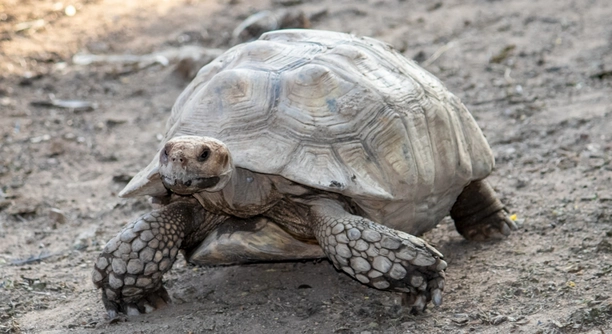
Anxiety in Sulcata tortoises is often overlooked, yet it’s a real concern. Understanding how to reduce their stress can lead to a healthier and happier tortoise. This article will cover simple ways to help your pet feel more at ease.
The primary way to reduce anxiety in Sulcata tortoises is by creating a calm, stable environment. Providing plenty of space, proper lighting, and a consistent daily routine can significantly lower their stress levels, promoting overall health and well-being.
In the following sections, we’ll discuss easy tips to improve your tortoise’s comfort and reduce anxiety. Your pet’s mental health is just as important as its physical health!
Provide a Spacious Enclosure
Sulcata tortoises are known for their love of space. Giving them a large enough enclosure will help them feel less confined and stressed. An overcrowded or too-small space can create anxiety, making it harder for them to move freely and explore their environment. When setting up their habitat, make sure there is enough room for them to roam, bask, and dig.
An enclosure that’s about 8 feet by 8 feet should be sufficient for an adult Sulcata. It’s essential that the space is designed with areas for shade, warmth, and hiding spots. This variety of spaces will give your tortoise the opportunity to choose where it feels most comfortable at any given time.
A spacious, well-planned enclosure mimics a more natural environment, which can help reduce stress and encourage healthy behaviors. If they are allowed to roam freely within a comfortable space, your Sulcata tortoise will likely feel safer and more secure.
Maintain a Consistent Routine
Tortoises feel much safer when their daily activities follow a routine. From feeding times to basking, consistency helps them understand what to expect. Any sudden changes in their schedule can cause stress.
Maintaining a regular routine helps your tortoise feel secure in its environment. Establish feeding, basking, and cleaning schedules, so your Sulcata knows what to expect each day. Being consistent will reduce anxiety and help establish a sense of stability.
Provide Proper Lighting
Proper lighting is essential for your Sulcata tortoise’s well-being. UVB lighting helps them produce vitamin D3, which is necessary for calcium absorption. Without it, your tortoise can become lethargic and develop health issues, leading to stress.
Ensure that your tortoise’s enclosure has a reliable UVB light source that covers a significant area. The light should be placed about 12-18 inches above your tortoise to be effective. Additionally, include a basking light to give them a warm spot to rest. The right temperature gradient is important for both their physical and mental health.
If you live in an area with limited sunlight, UVB bulbs are a must. Regularly replace bulbs as they lose their effectiveness over time. Creating a well-lit environment will reduce anxiety by ensuring your tortoise feels safe and comfortable in its home.
Offer Hiding Spots
Sulcata tortoises can get anxious when they feel exposed or threatened. Offering hiding spots in their enclosure can give them a sense of security.
Providing natural elements such as rocks, logs, or plants allows your tortoise to retreat when it feels stressed or vulnerable. A small, shaded area where they can retreat will mimic the safe spaces they would seek in the wild. This provides them with privacy, especially during their resting periods.
It’s crucial to observe your tortoise’s behavior. If it consistently hides, it could be a sign of stress. On the other hand, tortoises that are comfortable will be out in the open more often. Adjust their hiding spots accordingly to help them find balance.
Monitor Temperature
Sulcata tortoises are highly sensitive to temperature changes. Keeping their enclosure at the right temperature can significantly reduce stress. Too hot or too cold can cause discomfort and anxiety.
The temperature should range between 80-90°F during the day, with a basking spot reaching 95°F. At night, the temperature should drop to around 70-75°F. These conditions ensure that your tortoise can regulate its body temperature properly.
A temperature gauge placed inside the enclosure will help you monitor the conditions. Make sure your tortoise has access to a warm area to bask and a cooler spot to retreat when needed. These measures will make your pet feel more comfortable and secure.
Provide a Balanced Diet
A well-balanced diet is important for your Sulcata tortoise’s overall health and anxiety levels. Offering the right foods will keep your tortoise feeling energetic and healthy.
The majority of their diet should consist of grass, hay, and dark leafy greens. Avoid offering too many fruits as they are high in sugar, which can upset your tortoise’s digestion and cause stress. Providing a variety of foods ensures they get all the essential nutrients, leading to a happier and more relaxed tortoise.
Feeding your Sulcata a balanced diet keeps its body functioning properly, reducing the risk of illness or discomfort that could lead to anxiety.
Limit Loud Noises
Sudden loud noises can stress out your Sulcata tortoise. They tend to get easily startled by sounds and may become agitated or retreat to their hiding spots.
Minimize loud noises around their enclosure to prevent unnecessary anxiety. Keeping the area calm and quiet will help your tortoise feel more secure. Avoid placing the enclosure near loud appliances or high-traffic areas where it might get startled frequently.
FAQ
How do I know if my Sulcata tortoise is stressed?
There are several signs that indicate your Sulcata tortoise is stressed. These include changes in eating habits, excessive hiding, and unusual aggression or restlessness. If your tortoise is spending more time than usual in its hiding spots or is less active, it could be stressed. Also, if it’s not eating regularly or seems lethargic, these could be warning signs of anxiety or discomfort. Monitoring your tortoise’s behavior and environment closely will help you identify when something is wrong.
Can I keep multiple Sulcata tortoises together?
It’s not recommended to house multiple Sulcata tortoises together in the same enclosure. These tortoises are solitary creatures by nature and may become territorial or aggressive when housed with others, leading to stress or injury. If you do wish to keep more than one, be sure to provide ample space and separate hiding areas for each tortoise. Always monitor their behavior to ensure no one is being bullied or feeling threatened. It’s generally better to keep them individually, especially in smaller enclosures.
What should I do if my Sulcata tortoise isn’t eating?
If your Sulcata tortoise isn’t eating, first check the temperature and lighting in the enclosure. Inadequate heat or UVB light can lead to a loss of appetite. Make sure the temperature is within the proper range, and the lighting is appropriate. Additionally, consider if there have been any recent changes to its routine, diet, or environment that could cause stress. Sometimes, tortoises will stop eating if they’re feeling anxious or unwell. If your tortoise refuses to eat for several days, it’s a good idea to consult a veterinarian.
How often should I feed my Sulcata tortoise?
Adult Sulcata tortoises should be fed daily, but it’s important not to overfeed them. Their diet should mostly consist of high-fiber grasses and hay, with occasional leafy greens. Young tortoises may need more frequent feedings, but as they mature, a once-a-day feeding is usually enough. Always remove any uneaten food after 24 hours to keep the enclosure clean and avoid attracting pests. Proper portion control and a balanced diet will keep your tortoise healthy and help prevent stress related to poor nutrition.
What type of bedding should I use for my Sulcata tortoise’s enclosure?
When choosing bedding for your Sulcata tortoise, it’s important to use materials that are easy to clean, absorb moisture, and mimic natural conditions. Cypress mulch, coconut coir, or hay are great options. Avoid using sand or gravel, as these can cause digestive problems if ingested. Make sure the bedding is deep enough to allow your tortoise to burrow, as they enjoy digging to create a more comfortable environment. Regularly clean and replace bedding to maintain a healthy and hygienic space for your tortoise.
How can I help my Sulcata tortoise stay hydrated?
Hydration is crucial for your Sulcata tortoise’s health, especially in dry or warm environments. Always provide fresh water in a shallow dish that’s easy for your tortoise to access. Some tortoises may also benefit from occasional misting, especially during hot weather. However, be careful not to over-wet the bedding, as it can lead to mold or bacteria growth. Offering water-rich foods like leafy greens can also help keep your tortoise hydrated. Make sure your tortoise has constant access to water to prevent dehydration, which can cause stress and health issues.
What temperature should my Sulcata tortoise’s basking area be?
The basking area for your Sulcata tortoise should be around 95°F (35°C) during the day. This gives them a warm spot to regulate their body temperature and aids in digestion. Make sure the basking light is positioned properly to provide consistent heat. If the temperature in the basking spot is too low, your tortoise may become lethargic or stressed. On the cooler side of the enclosure, the temperature should be around 80°F (27°C). By creating a temperature gradient, your tortoise can move between warmer and cooler areas based on its needs.
Can I take my Sulcata tortoise outside?
Yes, you can take your Sulcata tortoise outside, but you should always supervise them. Outdoor time can provide natural sunlight and the opportunity for your tortoise to explore. However, make sure the outdoor environment is safe and free from predators, as Sulcatas are vulnerable to other animals. If you live in a hot climate, avoid the midday sun as it can be too intense for your tortoise. Always bring your tortoise back inside if the weather becomes too cold or if the area is not secure.
Is it necessary to give my Sulcata tortoise a companion?
Sulcata tortoises do not require a companion and may actually be happier living alone. They are solitary animals in the wild and tend to be territorial. Introducing another Sulcata could lead to stress, aggression, or fights. If you do keep multiple tortoises, ensure they have plenty of space and separate areas for resting and feeding. It’s important to remember that the presence of other tortoises may cause unnecessary stress, especially if the space is too small for them to coexist peacefully.
Final Thoughts
Taking care of a Sulcata tortoise requires attention to their unique needs and environment. These creatures can live for many years, so it’s important to make their habitat as comfortable and stress-free as possible. Providing a spacious enclosure, proper lighting, and temperature control are the foundations of creating a good home for them. Without these basic elements, your tortoise could become anxious, which may lead to health issues over time. It’s not just about feeding them; it’s about providing a balanced environment where they feel secure and at ease.
In addition to the physical setup, understanding their behavior is crucial. Sulcata tortoises are creatures of habit, and sudden changes can cause them stress. Establishing a routine for feeding, cleaning, and interacting with them can help minimize anxiety. It’s important to remember that they are solitary animals by nature and may prefer time alone. Regular observation of their behavior can help you detect early signs of stress, so you can take action before it becomes a bigger issue. A calm environment, with a clear sense of structure, goes a long way in keeping your tortoise healthy and happy.
Lastly, keep in mind that every Sulcata tortoise is different, and their needs may vary slightly. Some may require more hiding spots, while others may need more outdoor time. Pay attention to their preferences and adapt their care accordingly. When you prioritize their well-being and make the effort to reduce stress in their environment, you help ensure a long, healthy life for your tortoise. The more you learn about these fascinating creatures, the better equipped you’ll be to provide them with the best care possible. By focusing on their comfort and health, you are building a strong foundation for a positive relationship with your pet.

Hello,
If you enjoy the content that we create, please consider saying a "Thank You!" by leaving a tip.
Every little bit helps us continue crafting quality advice that supports the health, happiness, and well-being of pets around the world, for pets of all shapes, sizes, and species.
We really appreciate the kindness and support that you show us!