
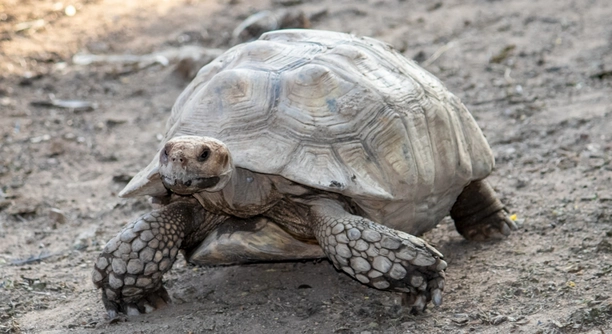
Is your sulcata tortoise always trying to climb trees? Many tortoise owners notice this curious behavior and wonder what it means. It’s important to understand why your pet is so focused on tree-climbing.
The main reason your sulcata tortoise climbs trees is because of its natural instincts. These tortoises are often drawn to higher ground or objects in their environment for a sense of security and exploration.
There are a variety of factors at play, including the tortoise’s search for food, territory, and safety. Understanding these behaviors can help keep your pet healthy and happy.
Why Do Sulcata Tortoises Climb Trees?
Sulcata tortoises are naturally curious animals. They are constantly exploring their surroundings, which is why tree climbing may seem like a fun challenge for them. The behavior is tied to their instincts to investigate and find shelter. In the wild, they often encounter various obstacles and objects that provide safety or potential food sources. A tree might look like a natural feature to investigate for shelter or to see what’s above them. This instinct to climb can also help them feel more secure in their environment.
For your tortoise, climbing offers them a sense of control. Being able to perch themselves higher up, even if it’s just on a small tree, helps them scan the area for threats. It’s a way to check their surroundings. This can be especially noticeable in captivity when there are fewer opportunities for them to explore or find similar obstacles like they would in the wild.
Understanding why your tortoise climbs is important because it can help with designing a better habitat. Giving them access to things they can climb on, like safe ramps or structures, will keep them entertained and provide mental stimulation.
Providing a Safe Environment for Climbing
Ensuring your sulcata tortoise’s climbing habits are safe is essential.
Tortoises may try climbing trees because they instinctively seek out higher vantage points or shelter. In their natural habitat, they could climb hills or structures to look for food or escape danger. Providing a safe climbing option like rocks or logs will satisfy this need while keeping them from injuring themselves on a tree.
Tree climbing might seem harmless, but not all trees are suitable for your tortoise’s safety. Certain tree branches could be too thin, or the tree might have sharp edges or dangerous chemicals in its bark. In fact, some trees could even be toxic to them. If they climb too high, they could fall or get stuck. To avoid these risks, create an environment where your tortoise can safely climb and explore. Offering sturdy, non-toxic objects will keep them busy while preventing harm. Even with the urge to climb, providing the right alternatives ensures their well-being.
Benefits of Climbing for Your Tortoise
When a sulcata tortoise climbs, it’s not just about fun—it can also be a way for them to stay active and healthy. Climbing can provide physical exercise that strengthens their limbs, especially their front legs and claws, which are used for climbing and digging. In captivity, tortoises don’t get the same physical challenges they would in the wild. Climbing helps mimic these behaviors, keeping them fit.
Another benefit is mental stimulation. Just like humans, tortoises get bored if they don’t have enough things to do. Giving them something to climb, whether it’s a large rock or a stump, challenges them to think and solve problems, much like how they would explore for food or shelter in the wild. It helps them stay engaged, reducing stress and improving their overall mood.
By providing proper climbing opportunities, you’re creating a healthy environment where your tortoise can exercise its instincts. These climbing activities allow them to feel satisfied, preventing any negative behaviors like digging excessively or appearing lethargic.
How to Prevent Your Tortoise from Climbing Trees
If your sulcata tortoise is climbing trees, it’s important to find ways to prevent it without restricting their natural behaviors. One method is to create a habitat that discourages tree climbing.
Adding safe structures like rocks, logs, and ramps will allow them to satisfy their climbing urge without turning to trees. These alternatives provide secure spaces for your tortoise to explore, keeping them mentally and physically active. It’s crucial to ensure the climbing objects are stable and not too high to avoid any risk of injury.
Another way to prevent climbing is by ensuring the area around the tree is not easy to access. You can block areas where they might try to climb or add fencing around certain plants. With enough space and the right materials, your tortoise won’t feel the need to look for trees to climb. You can even add taller, safer structures they can use for climbing, helping them feel more secure in their environment.
The Importance of a Varied Habitat
A varied habitat is essential for the well-being of your tortoise. Having a mix of substrates, climbing options, and shelter mimics their natural environment.
Providing a variety of textures and features in your tortoise’s enclosure will encourage healthy exploration and activity. Items like rocks, logs, and even areas with grasses can stimulate your tortoise to move around and stay active. This prevents boredom, which may be a reason for excessive climbing behavior. Adding multiple levels within the enclosure gives them options for vertical exploration. With safe and engaging options in place, your tortoise will be less likely to seek trees as climbing spots. A proper setup improves their quality of life and prevents unwanted behaviors.
Risk of Injuries from Climbing Trees
Climbing trees can put your tortoise at risk for injury. Even a small fall could lead to fractures or stress on their limbs.
If your tortoise climbs too high, there is also the risk of them getting stuck in branches or unable to safely descend. This can cause panic and stress, leading to further injury. It’s essential to monitor their climbing behavior to prevent accidents.
Setting up safe climbing alternatives, like stable ramps or platforms, can help keep your tortoise engaged without putting them in harm’s way. Having control over their environment reduces these risks and ensures they stay safe.
Alternatives to Trees for Climbing
Safe climbing structures are the best way to replace tree climbing.
Offering rocks, wooden ramps, or even piles of dirt can create opportunities for your tortoise to explore. These alternatives provide the vertical space they need without the dangers associated with trees. Ensure these structures are stable and easy to climb.
How to Encourage Safe Climbing Behavior
Encouraging your tortoise to use safe climbing areas is key to keeping them active.
Reward them with treats when they use climbing structures. This positive reinforcement will help them associate climbing safe objects with good experiences. You can also place food or hide their favorite treats on top of the structures to encourage them to explore.
FAQ
Why does my sulcata tortoise try to climb trees?
Sulcata tortoises are naturally curious animals, and climbing is part of their instinctive behavior. In the wild, they may climb over rocks, hills, or other obstacles to find food or seek shelter. In captivity, they might turn to climbing trees to satisfy this need for exploration. Climbing gives them a sense of security and allows them to survey their environment, as they would in the wild. This behavior is more common if there are fewer opportunities for them to explore and climb in a safe, controlled space.
Can tree climbing harm my tortoise?
Yes, tree climbing can be dangerous for your tortoise. Climbing too high could lead to a fall, potentially causing fractures or other injuries. There’s also the risk of your tortoise getting stuck in the branches, which can cause stress and panic. Injuries like broken limbs or sprains can affect their health. It’s important to monitor their climbing behavior closely and make sure the environment is safe. Offering safe, sturdy alternatives like rocks or ramps is a better way to prevent harm.
What should I do if my tortoise keeps climbing trees?
If your tortoise keeps climbing trees, you should evaluate its environment. Consider adding climbing alternatives like rocks, logs, or ramps that provide safe options for exploration. By introducing safe climbing structures, you can redirect your tortoise’s climbing behavior and allow them to satisfy their instincts without risking injury. If the tree poses a threat, you can block it off or remove it from the area altogether.
How can I discourage my tortoise from climbing trees?
To discourage your tortoise from climbing trees, ensure that their habitat is engaging with safe climbing alternatives. Adding stable ramps or logs can redirect their attention away from trees. You can also block the area around the tree, limiting their access. Another method is to provide a more enriched environment by adding other structures they can climb or hide in. Keeping your tortoise busy and mentally stimulated will help prevent them from focusing on climbing trees.
Is it necessary to let my tortoise climb?
It’s not necessary for your tortoise to climb trees, but it is important for them to have opportunities to engage with their environment. Climbing is part of their natural behavior, so offering safe alternatives allows them to satisfy this instinct in a controlled way. Climbing also provides physical and mental stimulation, which is important for your tortoise’s overall well-being. However, it’s crucial to make sure that any climbing structures are safe and won’t lead to injury.
Can I let my tortoise climb any tree?
Not all trees are safe for your tortoise to climb. Some trees may have toxic bark or leaves, which could be harmful if ingested. Additionally, the branches may not be sturdy enough to support their weight, leading to a fall. If you want to allow your tortoise to climb trees, make sure the tree is non-toxic and that the branches are thick and stable. It’s often safer to provide controlled alternatives for climbing to avoid potential risks.
What type of climbing structures are best for my tortoise?
The best climbing structures for your tortoise are sturdy, stable, and non-toxic. Rocks, logs, and ramps are excellent choices for safe climbing. These materials mimic natural environments and give your tortoise the vertical space they crave without the risks associated with trees. Make sure the structures are not too high and that they are easy to climb without causing strain or injury. Additionally, providing hiding spots and different textures will keep your tortoise entertained and mentally stimulated.
How can I provide more stimulation for my tortoise without trees?
To provide stimulation without relying on trees, you can offer a variety of climbing structures, as well as other forms of enrichment. Consider creating areas for digging, hiding, and foraging. Placing food or treats in hard-to-reach spots can encourage your tortoise to explore and problem-solve. Changing the layout of their habitat occasionally will also keep them engaged. The goal is to create an environment that mimics their natural habitat, where they can explore and stay active.
How high can my tortoise safely climb?
Your tortoise should not be climbing too high. A fall from any height can cause injury. Generally, a height of around 6-12 inches is safe, depending on the stability of the structure. Avoid allowing your tortoise to climb very tall objects, especially trees, as this can result in falls and injuries. Focus on providing low, stable climbing opportunities that won’t put your tortoise at risk.
What is the best way to prevent climbing altogether?
If you want to prevent your tortoise from climbing altogether, the best solution is to eliminate climbing opportunities. You can remove trees or structures that they might climb and replace them with safer, more controlled alternatives. It’s important to keep the habitat enriched with non-climbing activities, such as areas for foraging and digging. By limiting their ability to climb and offering other engaging activities, you can prevent this behavior.
Do all tortoises climb trees?
Not all tortoises climb trees, but it is common for sulcata tortoises to display this behavior. Some tortoises may not be as inclined to climb, while others, like the sulcata, have stronger climbing instincts. It largely depends on the individual tortoise’s behavior and environment. The availability of climbing objects and the tortoise’s need for exploration can influence how often they try to climb.
How can I tell if my tortoise is stressed from climbing?
If your tortoise seems stressed from climbing, it may exhibit signs like excessive pacing, refusal to eat, or hiding more than usual. Stress can also manifest in physical ways, like loss of appetite, lethargy, or changes in shell condition. If your tortoise seems distressed, it might be a sign that climbing behavior is taking a toll. Monitoring their behavior and offering safe alternatives can help reduce stress.
Final Thoughts
Understanding why your sulcata tortoise tries to climb trees helps ensure that both its instincts and safety are respected. Climbing is a natural behavior for these tortoises, driven by their curiosity and need to explore their environment. In the wild, they may climb rocks or hills to find food, shelter, or escape from potential dangers. In captivity, they may turn to trees as a way to satisfy this urge. Recognizing this can help you create an environment that allows them to explore safely and stay mentally and physically active.
However, it is important to remember that climbing trees can pose risks to your tortoise. Falling from a height can lead to injuries such as fractures or stress. Trees can also have thin branches that are unsafe or toxic plants that might harm your tortoise if consumed. It is crucial to manage their environment carefully by providing safe, sturdy climbing structures like rocks, ramps, or logs. These alternatives help meet your tortoise’s need for vertical exploration without the dangers that come with climbing trees.
By offering these safe alternatives and making sure your tortoise’s habitat is enriched with various climbing opportunities, you can help keep it happy and healthy. Monitoring their behavior and ensuring they have a safe space to explore will make a big difference in their well-being. Ultimately, understanding the reason behind your tortoise’s climbing behavior and addressing it in a thoughtful way can create a more suitable and fulfilling environment for your pet.

Hello,
If you enjoy the content that we create, please consider saying a "Thank You!" by leaving a tip.
Every little bit helps us continue crafting quality advice that supports the health, happiness, and well-being of pets around the world, for pets of all shapes, sizes, and species.
We really appreciate the kindness and support that you show us!