
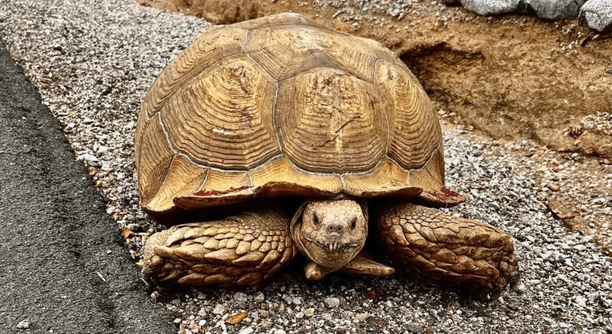
Almonds are a popular snack, but when it comes to feeding them to sulcata tortoises, there are important considerations. Understanding what your tortoise can and cannot safely eat is essential for its health.
Sulcata tortoises should not eat almonds. Almonds contain compounds that can be harmful, leading to digestive issues or toxicity. Their digestive systems are not equipped to process such foods, making them unsuitable and potentially dangerous for your pet.
Providing safe and healthy food options for your tortoise is crucial. This guide will help ensure that your sulcata tortoise’s diet promotes its well-being.
Why Almonds Are Harmful to Sulcata Tortoises
Almonds contain substances that can pose risks to sulcata tortoises. Their digestive systems aren’t built to handle these types of foods. Tortoises primarily need high-fiber diets, such as grasses and leafy greens, which support their digestive health. Almonds, on the other hand, are high in fat and contain certain toxins like cyanogenic compounds, which can lead to serious health issues if consumed.
In addition to toxicity concerns, almonds are not easily digested by tortoises. Their bodies aren’t equipped to process hard or oily foods, leading to potential gastrointestinal distress, discomfort, or even long-term damage.
Despite being rich in nutrients for humans, almonds are unsuitable for sulcata tortoises. Their digestive tract isn’t adapted for processing high-fat or hard foods. These foods can lead to both short-term and long-term health problems. It’s important to avoid giving your sulcata tortoise almonds to ensure its safety and well-being.
What Should You Feed Sulcata Tortoises?
When caring for a sulcata tortoise, focus on providing foods that align with their natural diet. Fresh, leafy greens such as dandelion greens, collard greens, and mustard greens are ideal. A variety of grasses should also be included to meet their nutritional needs.
Tortoises thrive on high-fiber foods, which help regulate their digestive systems. Feeding them foods that are difficult for them to process, like almonds, can lead to bloating and other health issues. Choosing foods that match their dietary needs is essential for maintaining a healthy tortoise.
Tortoises enjoy a varied diet, but it’s important to stick to items that their bodies can properly process. Foods like leafy greens, vegetables, and hay are better suited for their digestive system. Providing the right food can help ensure they live a long, healthy life.
Risks of Feeding Sulcata Tortoises Almonds
Feeding almonds to sulcata tortoises can lead to digestive problems due to their high fat content and the difficulty in processing such foods. The fat may cause bloating, while the toxins present in almonds can cause long-term harm if consumed regularly.
The main concern with almonds is the presence of cyanogenic compounds, which are toxic to tortoises. Even though almonds provide some nutrients for humans, they don’t offer anything beneficial for a sulcata tortoise. Their digestive systems aren’t designed to process fats, nuts, or seeds effectively, making it essential to avoid these foods.
Regularly offering almonds could lead to obesity or malnutrition due to poor digestion. This could result in weak bones or other long-term health complications. Sulcata tortoises need a diet rich in fiber, low in fat, and free from potentially harmful substances.
How to Properly Care for a Sulcata Tortoise’s Diet
A balanced diet for a sulcata tortoise should focus on high-fiber foods, like grasses and leafy greens, which provide essential nutrients. Offering foods such as dandelion greens, kale, and grasses helps ensure proper digestive function and prevents nutrient deficiencies.
Sulcata tortoises are herbivores, meaning they thrive on plant-based foods. Their diet should be rich in calcium to support shell and bone health. Avoid offering high-fat or sugary foods, as they can disrupt the balance in their digestive systems, leading to health problems. Offering a variety of greens also mimics their natural diet.
Regularly monitor what your tortoise consumes, ensuring it avoids foods that are high in fats or toxins, like almonds. Their diet should be made up of fresh, clean vegetables and grasses to maintain overall health. A proper diet can prevent common issues such as pyramiding or shell deformities.
What Happens if a Sulcata Tortoise Eats Almonds?
If a sulcata tortoise eats almonds, it may experience stomach upset or digestive distress. The body can struggle to process the high fat and toxins, which may lead to bloating or discomfort. Long-term exposure to such foods can cause more severe health issues.
Symptoms like lethargy or loss of appetite may indicate that your tortoise is not digesting almonds properly. In some cases, digestive issues can cause dehydration or weakness, which can further affect their overall health. It’s essential to remove almonds from their diet to prevent these complications.
Alternatives to Almonds for a Sulcata Tortoise
A better alternative to almonds is a variety of leafy greens, such as romaine lettuce, mustard greens, and collard greens. These foods are easier for your tortoise to digest and provide necessary nutrients without the risks almonds pose. Fresh grass or hay can also be included.
Other vegetables like squash or bell peppers can be given in moderation as part of their diet. These options help to maintain their energy levels and support their health while avoiding foods that could potentially harm them. Keep their diet diverse to avoid any nutrient imbalances.
Signs of Toxicity in Sulcata Tortoises
If your sulcata tortoise shows signs of toxicity, like excessive drooling or swelling, seek veterinary help immediately. In some cases, exposure to toxic foods may cause damage that requires medical attention. Early intervention is crucial in preventing long-term harm.
Can Sulcata Tortoises Eat Other Nuts?
No, sulcata tortoises should not eat other nuts either. Like almonds, nuts are high in fat and contain compounds that are difficult for tortoises to digest. Nuts can lead to digestive upset, causing bloating or other gastrointestinal issues. The fat content can also contribute to obesity if eaten in large amounts, affecting their overall health. For the best diet, stick to grasses, leafy greens, and other safe, low-fat plants that align with their natural food sources.
Are Almonds Toxic to All Tortoises?
While almonds are particularly harmful to sulcata tortoises, they can also be toxic to other types of tortoises. Many species of tortoises have similar digestive systems and should not consume almonds due to the toxic compounds, including cyanogenic glycosides, found in the nuts. These compounds can cause toxicity and digestive distress across various species, potentially leading to long-term health issues. It’s safest to avoid offering almonds to any tortoise.
What Should I Do if My Tortoise Eats Almonds?
If your sulcata tortoise has eaten almonds, monitor them closely for signs of distress, such as vomiting, bloating, or lack of appetite. If you notice any concerning symptoms, contact your veterinarian right away for advice or treatment. Early intervention is key to preventing serious health complications. Provide your tortoise with plenty of clean, fresh water to help flush out toxins, but always follow your vet’s instructions.
How Can I Tell if My Tortoise’s Diet Is Balanced?
To ensure your sulcata tortoise’s diet is balanced, focus on providing a variety of leafy greens, grasses, and some safe vegetables. Their diet should be low in fat and rich in fiber to aid digestion. A balanced diet will help maintain proper shell growth, healthy digestion, and overall well-being. Avoid foods high in sugar or fat, such as fruits or processed foods, which can lead to obesity or other health issues. Always observe your tortoise’s behavior and physical condition for signs of any nutritional imbalances.
Can Sulcata Tortoises Eat Fruit?
Sulcata tortoises can eat fruit, but only in moderation. Fruits are high in sugar, which can lead to digestive issues or obesity if given too frequently. Offer fruits like berries or melon as an occasional treat. It’s important to ensure that the majority of their diet consists of high-fiber, leafy greens and grasses to maintain digestive health. Providing a small amount of fruit once a week will add variety without risking overfeeding sugar-rich foods.
What Vegetables Can Sulcata Tortoises Eat?
Sulcata tortoises enjoy a variety of vegetables, including collard greens, dandelion greens, kale, and mustard greens. Other vegetables like bell peppers, squash, and zucchini can also be offered in moderation. Avoid giving them vegetables that are high in oxalates, like spinach, which can interfere with calcium absorption. A diverse selection of leafy greens and vegetables will provide the necessary nutrients to support their growth and health, ensuring they thrive in captivity.
How Often Should I Feed My Sulcata Tortoise?
Sulcata tortoises should be fed once a day, providing a portion of leafy greens, grasses, and vegetables. They are grazing animals and need constant access to fresh food to maintain their energy levels. Avoid overfeeding and ensure that you don’t offer them too much high-calcium or sugary food. The key is to maintain a balanced diet with a mix of greens and vegetables to avoid issues like obesity or poor shell growth.
Is It Safe to Give Sulcata Tortoises Commercial Food?
While some commercial foods may be marketed for tortoises, it’s best to avoid them unless they are made from high-quality, natural ingredients. Many commercial products contain additives, preservatives, or high amounts of sugar, which can be harmful. Stick to fresh, natural foods like leafy greens, grasses, and vegetables for optimal health. Consult your veterinarian if you’re considering feeding your tortoise commercial food to ensure it aligns with their dietary needs.
Can Sulcata Tortoises Eat Flowers?
Certain flowers are safe for sulcata tortoises to eat, but not all are suitable. Safe options include dandelions, hibiscus, and clover. These flowers can be offered occasionally to add variety to their diet. Be cautious, though, as many garden flowers and plants may be toxic to tortoises. Always research any new flowers before feeding them to your tortoise to ensure they are safe. If in doubt, stick with plants known to be non-toxic.
What Are the Signs of an Unhealthy Diet in a Sulcata Tortoise?
Signs of an unhealthy diet in a sulcata tortoise may include weight loss, pyramiding (abnormal shell growth), lethargy, or difficulty moving. If your tortoise has a poor appetite, appears bloated, or has soft or deformed shells, these can all indicate nutritional deficiencies or improper food intake. An imbalanced diet can also lead to metabolic bone disease, causing weakness or fragile bones. Regularly monitor their diet and behavior to ensure they are getting the right nutrients.
What Are Some Common Health Problems in Sulcata Tortoises?
Common health problems in sulcata tortoises include metabolic bone disease, respiratory infections, and shell deformities. These issues are often linked to an improper diet, such as inadequate calcium intake or too much fatty food. Poor lighting and humidity levels can also contribute to health problems. Regular veterinary checkups are crucial for early detection of these conditions. Maintaining a proper diet, correct environment, and proper hydration can significantly reduce the risk of such health issues.
Final Thoughts
Sulcata tortoises require a carefully managed diet to ensure their long-term health. While it may seem tempting to offer them a variety of foods, including almonds, it’s important to understand that certain foods can pose risks. Almonds, along with other nuts, are high in fat and contain toxins that can cause digestive issues or worse. For the best care, avoid nuts and focus on providing safe, nutritious foods such as leafy greens, grasses, and vegetables. These are the building blocks of a healthy diet for your tortoise and help maintain their natural digestive system.
In addition to providing the right food, it’s essential to create an environment that supports their well-being. Sulcata tortoises are naturally grazing animals, so access to fresh grass and greens is crucial. A balanced diet that focuses on low-fat, high-fiber foods will help avoid issues like obesity, shell deformities, and digestive problems. Monitor their eating habits closely, and adjust their food intake as needed to ensure they are getting the right nutrients without overfeeding. The key is variety and balance.
Finally, always consult with a veterinarian if you are unsure about what to feed your sulcata tortoise or if you notice any signs of distress. A professional can help guide you toward the best practices for keeping your tortoise healthy and happy. Taking the time to educate yourself about the dietary needs and overall care of your tortoise will lead to a healthier, longer life for your pet. Staying informed and following best practices is the best way to ensure your sulcata tortoise thrives in a safe, nurturing environment.

Hello,
If you enjoy the content that we create, please consider saying a "Thank You!" by leaving a tip.
Every little bit helps us continue crafting quality advice that supports the health, happiness, and well-being of pets around the world, for pets of all shapes, sizes, and species.
We really appreciate the kindness and support that you show us!