
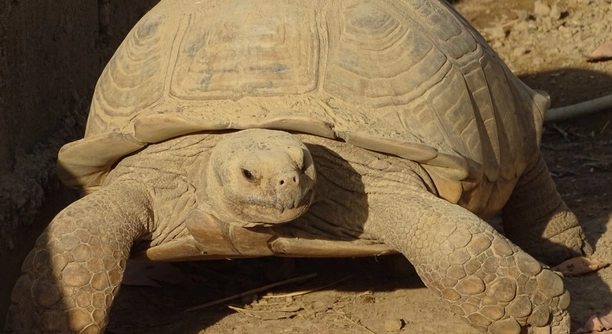
Sulcata tortoises are known for their unique behaviors, and one of the most common is scratching the ground. If you’ve noticed your tortoise engaging in this activity, you may be curious about the reason behind it.
The most common reason for a Sulcata tortoise scratching the ground is to dig, which can serve various purposes like creating a comfortable resting spot or searching for food. This behavior is natural and instinctive.
Understanding why your Sulcata tortoise scratches the ground can help ensure its well-being and allow you to provide the best environment for it. We will explore the reasons behind this behavior and what you can do about it.
Why Do Sulcata Tortoises Dig?
Digging is a natural behavior for Sulcata tortoises. It’s something they do instinctively, as it’s part of their survival mechanism in the wild. These tortoises dig to create shelters, stay cool, or even escape the heat. When they scratch the ground, they might be trying to find a comfortable, cooler area to rest in. It’s important to understand this behavior because it shows that your tortoise is trying to regulate its environment.
Digging can also happen as a way to find food or water sources. Sulcata tortoises are known to forage and dig to uncover food, such as grass, roots, or other vegetation. This behavior is just part of how they interact with their surroundings.
Providing a spacious, enriched habitat with places to hide or dig will support their natural instincts and prevent frustration. Offering a substrate that encourages digging, like sand or soil, can also help keep your tortoise happy and healthy.
Comfort and Shelter Needs
Sulcata tortoises dig to create a safe space. In their natural habitat, they burrow to avoid predators or extreme weather.
In captivity, they don’t need to worry about predators, but they still dig for comfort. Your tortoise may be searching for a cool spot to hide from the sun or looking for a place to sleep. It’s vital to provide a substrate that allows them to fulfill this instinct. Consider using soil, sand, or coconut husk to create a natural environment where they can dig. This will help mimic their wild behavior and reduce stress.
Stress and Discomfort
When a Sulcata tortoise is feeling stressed or uncomfortable, digging may be a sign of that. If your tortoise is in a small or overcrowded enclosure, they might scratch at the ground to express their frustration. It’s essential to ensure that your tortoise has enough space to roam around. A cramped living area can lead to stress, which results in increased digging and other abnormal behaviors.
Also, if their enclosure lacks a variety of hiding spots or things to explore, this may also drive them to dig out of boredom. The mental stimulation provided by creating an engaging environment for your tortoise can help ease their anxiety. This can include adding different textures, objects to climb on, and places to hide. Ensuring proper lighting and temperature control will also support your tortoise’s overall well-being.
Temperature Regulation
Sulcata tortoises dig as a way to control their body temperature. In the wild, they dig to find cooler or warmer areas depending on the time of day. If the ground is too hot, they may dig deeper to cool off. In captivity, they rely on their environment to help with temperature control.
Ensure your tortoise has access to both shaded and sunny areas. Use a heat source in their enclosure, but make sure it’s not too hot in one spot. A proper gradient of temperature allows them to regulate their heat by moving between warmer and cooler areas.
If your tortoise is constantly scratching or digging in one area, it could indicate that the temperature is too extreme. Keep an eye on how often your tortoise engages in digging. If they seem overly active in trying to find a cool spot, consider adjusting the heat levels in their enclosure.
Substrate and Digging Behavior
The type of substrate in your tortoise’s habitat can play a big role in their digging behavior. Some substrates, like sand or soil, allow them to dig more easily and mimic their natural environment. This will help them feel more secure and satisfied.
Choose a substrate that provides enough depth for digging without being too compact. A substrate that’s too hard will frustrate your tortoise, while something too loose could make it difficult for them to dig effectively. Aim for a mix of materials that are comfortable, absorbent, and encourage digging. This will help your tortoise express natural behaviors without stress.
Another key element is the moisture content of the substrate. If it’s too wet, it might cause problems for your tortoise, such as shell rot. Ensure that your tortoise’s habitat is dry enough to allow for digging without causing any harm. Keeping the area clean and dry is essential to promoting healthy digging behavior.
Enclosure Size
A small or cramped enclosure can lead to increased digging as your tortoise searches for more space. Sulcata tortoises need room to roam. If they feel confined, they might start scratching the ground to find a way out.
Make sure your tortoise has a large enough space to move freely. A bigger enclosure allows for natural behaviors like digging without feeling stressed. Tortoises need room for both active movements and resting, so avoid overcrowding. A spacious setup will reduce unnecessary digging caused by frustration.
Social Behavior
Although Sulcata tortoises are generally solitary creatures, they may sometimes engage in digging behavior due to perceived competition for resources. If there are multiple tortoises in the same enclosure, one might dig to establish dominance or claim space.
It’s important to monitor how tortoises interact. They may dig as part of their social hierarchy, especially if they feel threatened or insecure. If you notice aggressive behavior or excessive digging, consider separating them to give each one enough personal space. When housed together, ensure that food and water are plentiful, so they don’t feel the need to compete.
Excessive Digging Concerns
If your tortoise is digging excessively or seems obsessed with scratching the ground, it could be a sign of stress or discomfort. This might happen if their environment isn’t meeting their needs. It’s essential to observe your tortoise closely to ensure their health and happiness.
Look for signs that something is wrong with the enclosure, such as improper temperature, lack of space, or inadequate food. If the digging seems constant and excessive, try making adjustments to their habitat. Adding enrichment, like hiding spots or varied textures, can help relieve boredom and reduce excessive digging.
FAQ
Why does my Sulcata tortoise scratch at the walls of its enclosure?
When a Sulcata tortoise scratches the walls of its enclosure, it could be an attempt to escape. This behavior typically occurs if the tortoise feels confined or if the space is too small. Another possibility is that the tortoise is simply trying to find a better spot to rest or dig. Make sure your tortoise has enough space to move around comfortably, and ensure the enclosure has varied textures and areas for hiding or digging. Additionally, monitor the temperature and humidity to ensure the environment is not causing stress.
How can I stop my Sulcata tortoise from digging too much?
Digging is a natural behavior for Sulcata tortoises, but excessive digging may indicate discomfort. If your tortoise is digging more than usual, check for factors like temperature, substrate type, or enclosure size. Ensure the habitat provides a proper heat gradient, allowing the tortoise to regulate its temperature. Consider using a substrate like soil or sand that allows for digging, but avoid overly compacted material. Additionally, ensure the enclosure is spacious enough for the tortoise to roam freely, as a cramped space can lead to frustration and more digging.
Is it normal for a Sulcata tortoise to dig holes?
Yes, it is perfectly normal for a Sulcata tortoise to dig holes. Digging is part of their natural behavior. In the wild, they dig to create a cool, sheltered space to escape the heat or to find food. In captivity, they may dig for comfort, to regulate temperature, or even to explore their surroundings. Providing a substrate that allows for digging and offering hiding spots can help satisfy this instinctive behavior and reduce stress. However, excessive digging could be a sign of an issue with the tortoise’s environment, so it’s important to observe their behavior closely.
Can Sulcata tortoises dig out of their enclosures?
Sulcata tortoises are strong diggers, and while it’s not common for them to dig out of enclosures, it is possible if the enclosure isn’t secure enough. These tortoises will dig if they feel the need to explore or find a more suitable environment. To prevent escapes, ensure that the walls of the enclosure are tall enough, and bury part of the walls into the ground to make it harder for them to dig under. Reinforcing the fencing and adding a secure lid can also prevent them from escaping.
Should I provide my Sulcata tortoise with a burrow?
While Sulcata tortoises may dig to create a burrow in the wild, it’s not necessary to provide an actual burrow in captivity. However, offering a designated area with deep, loose substrate can mimic this behavior. The tortoise will likely dig to create a space where it feels safe and comfortable. If possible, allow your tortoise to dig freely in a spacious enclosure with the right substrate. This will give them the ability to create their own resting area and feel more at home.
How deep should I make the substrate for a Sulcata tortoise to dig?
The substrate depth for a Sulcata tortoise should be at least 6 to 12 inches, depending on the size of the tortoise. This allows them to dig comfortably and create burrow-like spaces. Providing enough depth ensures that the tortoise can express natural behaviors without becoming frustrated. When choosing a substrate, go for materials like soil, sand, or coconut husk that are easy to dig and allow the tortoise to move through them without difficulty. Be sure to keep the substrate clean and dry to prevent any potential health issues.
What should I do if my Sulcata tortoise is digging in one spot constantly?
If your Sulcata tortoise is digging in one specific spot excessively, it could be a sign of an issue with the environment, such as a temperature imbalance or a lack of stimulation. Check the temperature in the enclosure to ensure it provides a proper heat gradient. Too much heat in one area can cause the tortoise to dig in search of a cooler place. Also, assess the size of the enclosure and ensure it offers enough space for exploration. If the tortoise seems to be bored, adding more hiding spots, climbing structures, or enrichment activities can help.
Can digging be a sign of health problems in my Sulcata tortoise?
In general, digging is a natural behavior, but if your tortoise suddenly starts digging excessively, it could be a sign of health problems. Stress, dehydration, or discomfort can trigger more frequent digging. It’s important to ensure that the enclosure is meeting all of the tortoise’s needs, such as proper temperature, humidity, and space. If the digging is accompanied by other signs like loss of appetite, lethargy, or abnormal behavior, it’s a good idea to consult a veterinarian to rule out any underlying health issues.
Does my Sulcata tortoise need extra humidity to dig?
Sulcata tortoises come from arid regions and generally don’t require high humidity. However, the humidity level in their enclosure should be moderate to prevent issues like dehydration or skin shedding problems. Humidity can play a role in the substrate’s ability to maintain its structure, so it’s essential to keep the environment dry but not too dry. A well-maintained enclosure with the right substrate will support digging behavior without needing excessive humidity. Monitor your tortoise’s health and hydration regularly to ensure they’re not experiencing dehydration, which could lead to more digging.
How often should I change the substrate in my Sulcata tortoise’s enclosure?
The substrate in your Sulcata tortoise’s enclosure should be changed regularly to maintain a clean and healthy environment. Depending on the type of substrate and the tortoise’s activity, you should clean the enclosure and replace the substrate every 1-2 months. Spot cleaning can be done more frequently, especially if the tortoise tends to dig in certain areas. Always ensure that the substrate is dry and free from mold or any harmful bacteria. Fresh, clean substrate supports natural digging behaviors and keeps your tortoise healthy.
Final Thoughts
Understanding why your Sulcata tortoise scratches and digs the ground can help you provide a better living environment for them. Digging is a natural behavior for these tortoises and can serve several purposes, such as regulating body temperature, creating comfortable spaces, or simply satisfying their instincts. It’s important to remember that digging isn’t necessarily a problem but a sign of your tortoise expressing its natural behaviors. When they dig, they’re trying to recreate conditions that make them feel comfortable and secure. By observing these behaviors, you can ensure your tortoise’s needs are being met in a way that’s both healthy and satisfying for them.
However, excessive digging or scratching might indicate a deeper issue with their habitat. If your tortoise is digging constantly, it may be due to factors like temperature imbalance, small enclosure size, or even stress. Creating a comfortable, spacious enclosure with a proper heat gradient is crucial for their well-being. They need areas where they can bask in warmth or retreat to cooler spaces when necessary. The substrate should also be soft and deep enough to allow for natural digging and burrowing behavior. Providing hiding spots, climbing structures, and other enrichment can also reduce unnecessary stress and help alleviate any boredom, making your tortoise’s home more enjoyable.
In summary, understanding why your Sulcata tortoise digs will help you care for it better. It’s about creating the right environment that supports their instincts while keeping them healthy. Ensure that their enclosure is spacious, offers proper heating and cooling areas, and provides a suitable substrate for digging. Monitor their behavior regularly, and make adjustments as needed. When your tortoise’s basic needs are met, it will help them feel more at ease, reducing stress and encouraging them to thrive in their home.

Hello,
If you enjoy the content that we create, please consider saying a "Thank You!" by leaving a tip.
Every little bit helps us continue crafting quality advice that supports the health, happiness, and well-being of pets around the world, for pets of all shapes, sizes, and species.
We really appreciate the kindness and support that you show us!