
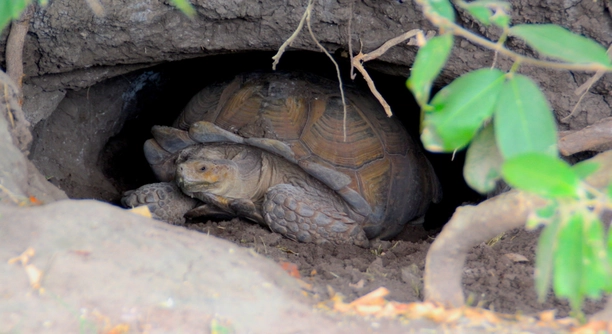
If you’re wondering whether it’s safe to feed your sulcata tortoise clovers, you’re not alone. Many tortoise owners are curious about the types of plants that are best for their pets. Understanding what is safe to feed your tortoise can help keep them healthy.
Sulcata tortoises can eat clovers in moderation. They are a good source of nutrients like calcium, but should not be the only food in their diet. Overfeeding can cause digestive issues, so variety is key.
This article will provide important information on how to safely incorporate clovers into your sulcata tortoise’s diet and other plants to include for optimal health.
Why Are Clovers Good for Sulcata Tortoises?
Clovers can provide beneficial nutrients for sulcata tortoises when included as part of a balanced diet. They contain vitamins, minerals, and fiber that can support overall health. Rich in calcium, clovers help maintain strong shells and bones in tortoises, which is essential for their long-term well-being. The natural sweetness of clover makes it appealing to many tortoises, encouraging them to eat.
Including clovers as a supplement rather than a primary food ensures a variety of nutrients. Tortoises need more than just clovers to thrive, as they also require leafy greens, grasses, and other plants to meet their dietary needs.
A balanced diet can prevent potential issues like calcium deficiency or obesity. By feeding clovers in moderation, tortoises enjoy the benefits without the risks associated with overconsumption. Offering clover alongside other plants promotes a healthier, more diverse eating routine that keeps your sulcata tortoise in great shape.
Potential Risks of Feeding Too Much Clover
Overfeeding clovers to your sulcata tortoise can lead to digestive problems and imbalances in their diet.
Clovers, while nutritious, are high in oxalates. These compounds can hinder the absorption of calcium when consumed in excess. Oxalates can bind to calcium, forming crystals that may lead to kidney problems over time. Additionally, clovers contain phosphorus, which, when fed in large amounts, can disrupt the calcium-phosphorus ratio in their diet. This imbalance may result in poor shell growth or metabolic bone disease.
To keep your tortoise healthy, it’s important to provide a variety of foods. Include different types of grasses, leafy greens, and safe plants. Proper portion control is key, ensuring your sulcata gets enough nutrition without relying too heavily on one food source.
How to Safely Feed Clovers to Your Sulcata Tortoise
When offering clovers, ensure they are fresh and free from pesticides. It’s important to wash them thoroughly before feeding your tortoise. Fresh clovers are a healthy snack when given in moderation, but they shouldn’t be the main part of your pet’s diet.
Aim to provide a variety of plant-based foods to promote a well-rounded diet. Fresh grasses, leafy greens, and occasional fruits can provide the necessary balance. Clovers should only make up a small portion, and they should be offered every few days, not daily. This ensures that your sulcata tortoise gets the right nutrients without over-relying on one source of food.
If you grow clovers yourself, make sure they are grown in a safe environment, free of chemicals. Avoid clovers from areas that may have been treated with fertilizers or pesticides, as these can be harmful to your tortoise. Always check the quality of the plants before offering them to your pet.
Other Plants You Can Safely Feed Your Sulcata Tortoise
In addition to clovers, there are several other plants that can be part of a sulcata tortoise’s diet. Leafy greens like dandelion leaves, collard greens, and mustard greens are nutritious and provide essential vitamins and minerals.
Grasses make up a large portion of a sulcata tortoise’s natural diet. Bermuda grass, timothy hay, and oat grass are excellent options that can be safely fed. These grasses are rich in fiber, which helps support healthy digestion. You can also try feeding them hibiscus flowers, cactus pads, and certain types of squash or pumpkins for variety.
Introduce new plants gradually and observe how your tortoise responds. Some plants might be unfamiliar or cause mild digestive upset at first, so it’s important to monitor for any changes. Offering a variety of foods ensures your sulcata tortoise stays well-fed and healthy.
How Often Should You Feed Clovers to Your Sulcata Tortoise?
Clovers should only be given occasionally to avoid overfeeding. A few times a week is enough for your sulcata tortoise. Offering too much too often could lead to dietary imbalances.
Feeding clovers too frequently can disrupt the calcium-phosphorus ratio in their diet. Stick to a routine where clovers are part of a balanced diet with a variety of other safe plants.
Signs of Overfeeding Clovers
Overfeeding clovers can cause health issues in sulcata tortoises. Symptoms such as lethargy, poor shell growth, and digestive distress might indicate a diet problem.
If your tortoise starts showing signs of discomfort after eating clovers, reduce their intake and adjust the variety of plants in their diet. Keep an eye on their behavior and overall health.
The Best Way to Prepare Clovers
It’s essential to prepare clovers by washing them thoroughly to remove any dirt, insects, or chemicals. This step ensures they are safe for your tortoise.
Providing fresh, clean clovers will help maintain their appeal to your sulcata tortoise while minimizing health risks. Always check for any visible signs of mold or decay before feeding them.
FAQ
Can Sulcata Tortoises Eat Clover Flowers?
Yes, sulcata tortoises can eat clover flowers. In fact, they are a great addition to their diet. Clover flowers are rich in nutrients and offer variety. However, like the leaves, they should be fed in moderation. Too many flowers can upset the balance of their diet. Always ensure that the flowers are fresh and free of chemicals.
Is Clover Safe for Baby Sulcata Tortoises?
Clover is safe for baby sulcata tortoises in small amounts. However, young tortoises have more delicate systems, so it’s important to monitor their intake. Start with tiny portions and gradually increase. Avoid overfeeding to prevent digestive issues or calcium imbalance. Always ensure a variety of other food options.
How Much Clover Can I Feed My Sulcata Tortoise?
You should feed clover to your sulcata tortoise sparingly. A small handful once or twice a week is enough. It can be part of a larger variety of leafy greens and grasses. Too much clover may cause digestive issues or lead to an imbalance in calcium intake.
Are There Any Risks of Feeding Clover to Sulcata Tortoises?
While clover can be a nutritious part of your tortoise’s diet, feeding it too often can cause problems. Clover contains oxalates, which can bind to calcium and prevent its absorption. Overconsumption can lead to kidney stones or metabolic bone disease. Always feed clover in moderation and offer a balanced diet.
Can Sulcata Tortoises Eat Red Clover?
Yes, sulcata tortoises can eat red clover. It offers similar benefits as other types of clover, providing essential nutrients. Ensure that the red clover is free from pesticides and harmful chemicals. Feed it as a supplement to a varied diet, but don’t rely on it as the sole food source.
Can Clover Be Harmful If Grown in the Wild?
If you pick clover from the wild, there’s a risk of contamination from pesticides, herbicides, or other pollutants. Wild clover may also have been exposed to diseases or parasites. Always wash wild clover thoroughly and check its condition before feeding it to your tortoise. If unsure, consider growing your own.
Can Sulcata Tortoises Eat Clover in Winter?
During the winter, it might be harder to find fresh clover, especially if you live in colder climates. If you want to feed clover during this season, consider growing it indoors or buying dried clover. While dried clover is okay, it may lack some of the nutrients found in fresh clover.
Should I Feed My Tortoise Other Types of Clover?
Besides regular clover, other types like white or red clover can also be fed. These varieties offer similar nutrients. Be sure to rotate different types of clover to give your sulcata tortoise some variety. This will help ensure they get a balanced intake of nutrients without over-relying on one type of plant.
Can Clovers Be Part of a Balanced Diet for Sulcata Tortoises?
Clovers can be a part of a balanced diet, but they should not be the primary food. Sulcata tortoises need a variety of grasses, leafy greens, and high-fiber plants to maintain health. A well-rounded diet that includes clovers, but also offers other plant types, is essential for proper growth and development.
Do Sulcata Tortoises Like Clover?
Most sulcata tortoises enjoy clover. Its mild sweetness and pleasant texture make it appealing to them. Offering clover occasionally can help keep your tortoise interested in their meals, but it should not replace other food options. Pay attention to their preferences to ensure they are eating a balanced diet.
Can Clover Help with Shell Health?
Clover can help promote healthy shell growth. The calcium and other nutrients in clover contribute to strong bone and shell development. However, it is not a miracle food. It should be paired with other calcium-rich foods like leafy greens and supplemented with proper UV lighting for the best results in maintaining shell health.
Is It Safe to Feed Clover to Older Sulcata Tortoises?
Older sulcata tortoises can safely eat clover, but they may require fewer calories and smaller portions. Overfeeding clover to elderly tortoises could lead to obesity or digestive problems. A balanced diet with appropriate portions will keep older tortoises in good health while avoiding strain on their systems.
Can Clover Be Fed to Sulcata Tortoises with Health Problems?
If your sulcata tortoise has specific health issues, it’s important to consult a veterinarian before feeding clover. For example, if your tortoise has kidney issues, the oxalates in clover might not be ideal. It’s always safer to get professional advice before introducing new foods to a sick tortoise’s diet.
Can I Feed Clover to My Sulcata Tortoise If It’s Dry?
Dried clover can be fed to sulcata tortoises but should not be their primary food source. Fresh clover is generally better for hydration and nutrient content. If using dried clover, ensure it’s pesticide-free and offer it as a supplement to other fresh greens and grasses.
Final Thoughts
Clovers can be a healthy and enjoyable treat for sulcata tortoises when given in moderation. They offer beneficial nutrients such as calcium and fiber, which are essential for growth and overall health. However, it is important to remember that clovers should not make up the bulk of your tortoise’s diet. A balanced diet consisting of various grasses, leafy greens, and vegetables will help ensure your tortoise gets all the necessary nutrients to thrive. Overfeeding clover can cause health problems like calcium imbalances, which can lead to more serious conditions over time.
When feeding your sulcata tortoise clovers, be sure to pick fresh, clean clover free from chemicals or pesticides. Wild clover can carry potential risks, so always inspect it carefully before offering it. You may also want to grow your own clover to guarantee that it’s free from harmful substances. Fresh clover is best, but if it’s not available, dried clover can be used in small quantities as a supplement. Variety in their diet is essential for keeping your tortoise happy and healthy.
In conclusion, clovers can be a beneficial part of a sulcata tortoise’s diet as long as they are fed responsibly. Always ensure that your tortoise’s meals include a wide range of safe plants to avoid over-reliance on clover. By providing a diverse diet, keeping their feeding routine balanced, and monitoring their health, you can support your tortoise’s long-term well-being. While clovers are a nutritious addition, moderation is key to preventing health issues and ensuring that your tortoise remains strong and active throughout its life.

Hello,
If you enjoy the content that we create, please consider saying a "Thank You!" by leaving a tip.
Every little bit helps us continue crafting quality advice that supports the health, happiness, and well-being of pets around the world, for pets of all shapes, sizes, and species.
We really appreciate the kindness and support that you show us!