
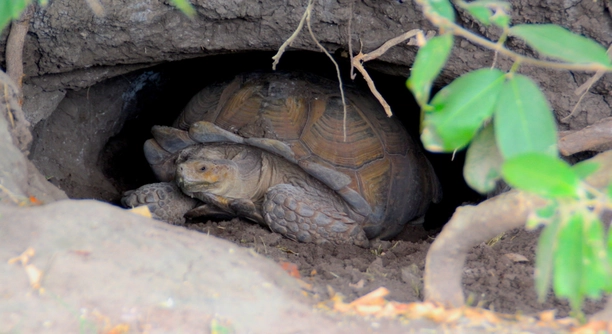
Sudden aggression in your sulcata tortoise can be confusing, especially when you’ve known it to be calm. Understanding why this happens can help you figure out what might be causing the behavior.
Aggression in sulcata tortoises is often linked to stress, territorial behavior, mating season, or health issues. Changes in their environment or routine can trigger defensive actions, leading to aggression as they feel the need to protect themselves or assert dominance.
Several factors could be at play in these sudden changes. The following article will explore each one, offering insights and tips on how to address this behavior.
Stress and Environmental Changes
Tortoises are creatures of habit. Any shift in their environment, such as moving to a new location or changes in temperature, can cause them significant stress. This stress can lead to frustration and aggression. If your tortoise suddenly starts acting out, it could be reacting to something in its surroundings that is making it uncomfortable. Changes in lighting, noise levels, or even the presence of unfamiliar people or pets can impact its behavior. Make sure your tortoise’s enclosure is stable and peaceful, providing a calm space for it to feel safe.
Stress doesn’t just happen overnight, and sometimes it takes a while for your tortoise to adjust to changes in its environment. The best way to avoid stress-related aggression is to keep things as consistent as possible. Ensure your tortoise has a proper habitat with suitable temperature, humidity, and a comfortable space to roam. A secure and quiet environment is essential for its well-being.
Even small changes to your sulcata tortoise’s routine can have a big impact. It’s important to regularly monitor their habitat and behavior, making adjustments as necessary. If you’ve recently moved or made changes in your home, think about how this might have affected your pet. Creating a stress-free environment can go a long way in preventing aggression.
Mating Season Behavior
Aggression can also be tied to mating season. Male sulcata tortoises can become territorial and more aggressive during this time. They may display behaviors such as head-bobbing, chasing, or even charging. This aggression is often directed towards other males as they compete for mates. If you notice this behavior in your tortoise, it may simply be a natural reaction to the season.
It’s crucial to recognize when mating behavior is at play. During this time, your tortoise might act in ways that seem unusual, but this is a normal part of their breeding cycle. If you are not interested in breeding, you can consider separating males to reduce the chances of aggression.
Health Issues and Pain
If your sulcata tortoise suddenly becomes aggressive, it may be in pain. Illness or injury can make them act defensively, especially if they feel vulnerable. Tortoises instinctively protect themselves when they’re not feeling well, so a change in behavior might be their way of telling you something’s wrong.
A health check is necessary if aggression seems linked to discomfort. Injuries, infections, or internal health issues could be the underlying cause. For example, if your tortoise is limping, its aggression might be a way of warning others to stay away while it recovers. It’s best to have a vet examine your tortoise to rule out health problems.
Even minor issues, like digestive problems or respiratory infections, can cause discomfort and trigger changes in behavior. Your sulcata tortoise can’t vocalize pain, so its aggression may be the only sign that it’s unwell. Keeping an eye on its eating habits, physical condition, and movements can help catch health problems early.
Territorial Behavior
Sulcata tortoises can be very territorial. If they feel that their space is being invaded, they may act aggressively to defend it. This is especially true if there are other pets or animals in their territory. Understanding their territorial instincts can help you manage their behavior.
If your tortoise has been recently introduced to a new pet or another tortoise, aggression could be its way of asserting dominance. These reptiles are known to have a strong sense of ownership over their space, food, and even certain hiding spots. Ensuring each tortoise or pet has its own designated area can reduce conflict and prevent aggression.
When a tortoise starts displaying territorial behaviors, the key is to respect its need for personal space. Try separating it from any perceived threats, and consider placing barriers in its environment to limit the stress of overlapping territories.
Poor Diet
A poor diet can lead to aggression in sulcata tortoises. If they’re not getting the right nutrients, it can affect their behavior. Deficiency in certain vitamins or minerals might make them more irritable. Pay attention to their diet and make sure they’re getting everything they need.
Ensure your tortoise is eating a balanced diet that includes fresh greens, vegetables, and occasional fruits. Avoid feeding them too much protein, as this can cause health problems. Also, providing access to calcium, either through food or supplements, is crucial for shell health. A well-fed tortoise is generally calmer.
A deficiency in essential nutrients can result in physical discomfort or irritability, leading to aggressive actions. If your tortoise’s diet has been inconsistent, consider adjusting it. It’s always best to consult with a vet if you’re unsure about the nutritional needs of your sulcata.
Overcrowding
Overcrowding can make your sulcata tortoise feel stressed and anxious. When there’s not enough space to roam, they become more territorial and aggressive. It’s important to make sure your tortoise has enough room to move freely and establish its territory.
If you have multiple tortoises or pets, overcrowding can become a serious issue. Tortoises need enough space to avoid competition for resources like food and hiding spots. If there are several animals in one area, the lack of space can trigger frustration, leading to aggressive behaviors. Consider expanding their enclosures or separating them.
Inadequate Temperature
Temperature plays a vital role in a sulcata tortoise’s behavior. If the temperature is too high or low, it can stress them out, making them more likely to act aggressively. Providing a warm and cool side in their habitat can help them regulate their body temperature.
Why is my sulcata tortoise suddenly aggressive?
Aggression in sulcata tortoises can be caused by a variety of factors. Stress is one of the most common triggers. Any changes in their environment, such as a move to a new habitat, changes in lighting, or the presence of unfamiliar animals, can make them feel threatened. Another reason could be mating season, where males may become more territorial and assertive. If the tortoise is injured or sick, it may also act aggressively to protect itself. Lastly, if its diet isn’t well-balanced or it feels overcrowded, it may show signs of aggression.
How can I reduce aggression in my sulcata tortoise?
Reducing aggression in your sulcata tortoise requires understanding the root cause. If stress is the issue, try to make its environment more stable by limiting sudden changes. Ensure it has a comfortable habitat with proper temperature, humidity, and plenty of space to roam. During mating season, you might want to separate males to prevent territorial disputes. Also, providing a balanced diet with plenty of calcium and greens can help reduce irritability. If your tortoise’s aggression seems linked to pain or illness, consult a vet for a checkup.
Could my sulcata tortoise be in pain?
Yes, sulcata tortoises can exhibit aggression if they are in pain. This could be due to injury, infection, or internal health issues. Because tortoises can’t vocalize their discomfort, they may act aggressively as a defensive response. If your tortoise suddenly shows signs of aggression, it’s important to check for physical injuries, abnormal movements, or changes in eating habits. A vet check-up can help identify any underlying health problems. Pain relief and treatment may help reduce the aggressive behavior if this is the cause.
Can my sulcata tortoise’s diet affect its aggression?
Yes, an improper diet can contribute to aggression in your sulcata tortoise. Nutrient deficiencies, especially in calcium or other essential vitamins, can lead to irritability or aggression. Tortoises that are overfed protein or lack variety in their diet might also show signs of aggression. Make sure to feed your sulcata tortoise a balanced diet with a variety of fresh greens, vegetables, and a small amount of fruits. A calcium supplement may also be necessary for maintaining shell health. A healthy diet is essential not just for their growth but also for their temperament.
How do I know if my sulcata tortoise is stressed?
Signs of stress in sulcata tortoises include changes in behavior, such as aggression, withdrawal, or restlessness. They may become more defensive and may try to escape their habitat. A stressed tortoise may also stop eating, hide more often, or become less active. Environmental stressors such as high noise levels, overcrowding, sudden changes in temperature, or an inadequate habitat can all contribute to stress. Monitor your tortoise’s habits closely and try to create a calm, consistent environment to reduce stress. If you notice behavioral changes that persist, consider adjusting its enclosure or seeking advice from a vet.
Can sulcata tortoises become aggressive during mating season?
Yes, sulcata tortoises, especially males, often become more aggressive during mating season. Male tortoises may display territorial behavior, including chasing, head-bobbing, or charging at other tortoises. This behavior is a natural response as they try to assert dominance over other males and attract females. If you have multiple tortoises, especially males, aggression during mating season is common. You can separate males or provide enough space to minimize conflict. However, this behavior usually subsides after the mating season ends.
What should I do if my sulcata tortoise is not eating?
If your sulcata tortoise refuses to eat, it could be a sign of stress, illness, or improper habitat conditions. First, check the temperature and humidity levels in its enclosure. Tortoises need a proper range to stay healthy. Stressors like changes in the environment, overcrowding, or even lack of variety in its diet can cause appetite loss. If the tortoise still refuses food after addressing these factors, it’s time to consult with a vet. Loss of appetite can also indicate health problems such as digestive issues, which require professional attention.
How can I tell if my sulcata tortoise is sick?
Sick sulcata tortoises may show a variety of signs, including lethargy, changes in eating habits, abnormal behavior (such as aggression), or visible physical symptoms like discharge from the eyes or nose, swollen limbs, or a change in the appearance of their shell. If your tortoise exhibits any of these symptoms, it’s essential to seek veterinary care immediately. Early diagnosis is crucial to prevent serious complications. Regular check-ups and proper care can help keep your tortoise healthy and reduce the likelihood of illness.
Is my sulcata tortoise’s aggression related to its age?
Aggression can sometimes be linked to age, especially during adolescence. Younger tortoises might be more curious or exploratory, which can lead to territorial disputes. As they grow older, they may become more set in their ways, leading to more territorial or defensive behavior. However, the most significant factors affecting aggression are environmental changes, health issues, and mating season. If your tortoise’s aggression seems to coincide with a growth spurt or puberty, it could be linked to their development. Be patient and provide consistent care as they adjust.
Can overcrowding cause aggression in my sulcata tortoise?
Yes, overcrowding can contribute to aggression in sulcata tortoises. These tortoises need plenty of space to establish their territory, and if their habitat is too small or shared with other tortoises or animals, it can lead to territorial disputes and stress. The lack of personal space increases the likelihood of aggressive behaviors as the tortoises compete for food, resting spots, and resources. To prevent this, ensure each tortoise has enough space in its enclosure to avoid overcrowding, and separate them if necessary.
Should I separate my sulcata tortoises if they’re being aggressive?
If your sulcata tortoises are showing signs of aggression, separating them might be the best option. This is particularly important if they are competing for territory, food, or during mating season. Male tortoises can be especially aggressive towards each other. Providing separate enclosures can reduce stress and help manage their aggression. If they are housed together, ensure that each tortoise has enough space to avoid conflict. Sometimes, simply giving them room to establish their own space can reduce aggressive behaviors.
When it comes to your sulcata tortoise acting aggressively, there can be multiple factors at play. It’s essential to understand that these behaviors are not always out of the ordinary. Stress, changes in the environment, health issues, and even mating season can all contribute to aggressive actions. Tortoises, like other animals, communicate through their behavior, and aggression may be their way of dealing with discomfort or protecting themselves. Paying attention to these changes and observing what might be causing them can give you a better idea of how to address the issue.
Creating a stable and comfortable environment for your tortoise is key to reducing aggressive behavior. This means providing a well-balanced diet, a calm habitat, and appropriate space. A consistent routine and careful monitoring of their health can go a long way in helping your tortoise feel safe. If you notice any signs of illness or injury, it’s important to take them to the vet for a proper diagnosis. A healthy tortoise is less likely to show aggression, so regular care and attention are crucial to keeping them calm.
In the end, understanding the cause of your sulcata tortoise’s aggression is the first step toward resolving it. Whether it’s due to stress, health issues, or natural behavior like mating season, each situation can be handled with the right approach. By providing the best care possible and ensuring they feel secure, you can help your tortoise stay calm and happy. Remember, patience and observation are important as you work to address any behavior changes.

Hello,
If you enjoy the content that we create, please consider saying a "Thank You!" by leaving a tip.
Every little bit helps us continue crafting quality advice that supports the health, happiness, and well-being of pets around the world, for pets of all shapes, sizes, and species.
We really appreciate the kindness and support that you show us!