
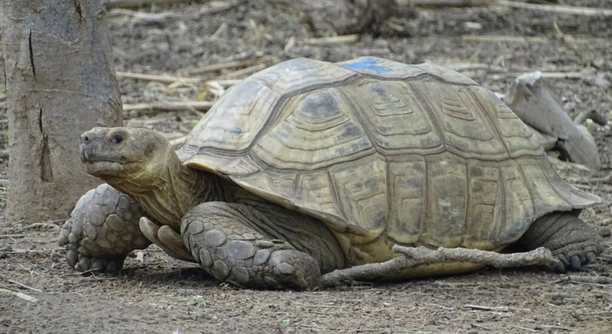
Sulcata tortoises are popular pets known for their large size and gentle nature. However, when it comes to feeding them, it’s essential to ensure they receive the right foods to stay healthy. Many owners wonder about safe snack options for their shelled friends.
Sulcata tortoises should not eat almonds or any type of nuts. These foods are high in fat and can cause digestive issues, potentially leading to serious health problems. Nuts are not suitable for their diet and should be avoided.
Understanding what foods are best for your tortoise is key to their long-term well-being. We will explore why certain foods, like nuts, can be harmful and offer suggestions for better alternatives.
Why Are Nuts Harmful to Sulcata Tortoises?
Nuts like almonds are not a suitable treat for Sulcata tortoises due to their high fat content. Tortoises are herbivores and primarily feed on grasses, leaves, and some fruits. Their digestive systems are designed to handle a plant-based diet, and foods rich in fat, like nuts, can lead to digestive problems and obesity. Eating high-fat foods can also result in shell deformities or organ stress.
Because tortoises don’t have the enzymes needed to properly digest fats found in nuts, giving them almonds could cause their digestive tract to become overwhelmed. It is important to avoid feeding them nuts as part of a balanced, healthy diet.
Instead, provide your Sulcata tortoise with a variety of high-fiber greens and hay. These will ensure that your pet receives the nutrients it needs to stay active and healthy. Regularly offering appropriate, fresh food can keep them in good shape and help prevent digestive issues.
What Should Sulcata Tortoises Eat Instead?
A Sulcata tortoise thrives on a diet rich in fiber. Fresh grasses, weeds, and leafy greens make up the bulk of their meals.
Leafy greens such as dandelion greens, collard greens, and mustard greens provide essential nutrients. Adding hay to their diet, particularly grass hay, ensures that they get enough fiber for proper digestion. You can also occasionally offer fruits, but in moderation due to their sugar content.
Offering a well-rounded diet will support your Sulcata’s growth and prevent potential health problems. Just remember, avoid the temptation to feed them foods that are high in fat, like almonds or other nuts. Stick to foods that mimic their natural diet to keep them in top shape.
Why Some People Think Nuts Are Safe for Tortoises
Nuts are often considered a healthy snack for humans, so it’s understandable that some might think they are okay for tortoises as well. However, just because something is healthy for us doesn’t mean it’s suitable for every animal. Tortoises have very different dietary needs.
The high fat and protein levels in nuts can be too much for a tortoise’s digestive system to process. These foods can lead to weight gain, as tortoises are not able to burn fat the way some animals do. Additionally, tortoises don’t have the proper enzymes to break down these nutrients, leading to potential gastrointestinal problems.
While it may seem harmless to feed your tortoise a small treat like almonds, these foods can disrupt their digestive balance. The consequences of feeding nuts regularly may not show up right away but can lead to long-term health problems. Keeping a tortoise’s diet simple and in line with its natural preferences is the best approach for overall well-being.
The Risks of Overfeeding Treats
Treating your tortoise to a snack every once in a while may seem like a fun way to bond, but overfeeding treats can cause harm. Tortoises can become picky eaters and may start to prefer these snacks over their regular diet. This can lead to nutritional imbalances.
Offering too many treats can also encourage unhealthy weight gain. A diet high in fats or sugars can lead to metabolic issues that can affect your tortoise’s long-term health. For example, they may experience slower growth, shell deformities, or even kidney and liver problems.
By sticking to a diet that’s rich in fiber and low in fat, you can prevent these issues. Limit treats and focus on giving your tortoise the foods it’s naturally designed to digest. In the long run, this will ensure a healthier, happier tortoise.
How to Feed Your Sulcata Tortoise Properly
Feeding your Sulcata tortoise the right foods is essential for its health. Offering a variety of leafy greens and grasses will give them the fiber they need. Always make sure to remove any uneaten food to avoid spoilage. Fresh water should also be provided daily.
A healthy diet will help your tortoise maintain a strong shell, grow properly, and stay active. Avoid feeding them processed foods, sugary snacks, or anything too rich in fat. Consistent, balanced meals will go a long way in preventing health problems.
By giving your tortoise fresh, high-fiber plants, you can ensure they thrive. Stick to natural, plant-based foods to mimic their wild diet.
Safe Treats for Sulcata Tortoises
If you’d like to give your Sulcata tortoise a treat, focus on options that align with their natural diet. Safe treats include small portions of fruits like strawberries or melon, as well as certain flowers like hibiscus.
These should only be given occasionally, and in small amounts to avoid upsetting their digestive system. Treats should never replace their regular meals, which should consist mainly of leafy greens and grasses. Always make sure the treats are pesticide-free before offering them.
Best Feeding Practices
To ensure your tortoise stays healthy, it’s crucial to stick to a consistent feeding schedule. Offer fresh food daily and provide clean water at all times. It’s also a good idea to provide a variety of greens to prevent boredom.
Regularly check their weight and health to make sure they are thriving.
FAQ
Can Sulcata tortoises eat almonds?
No, Sulcata tortoises should not eat almonds or any nuts. These foods are too high in fat and can cause digestive issues, obesity, and other health problems. Nuts don’t fit into their natural diet, which is primarily plant-based, and can upset their delicate digestive system. Stick to greens, hay, and safe fruits.
What should I feed my Sulcata tortoise?
A Sulcata tortoise’s diet should be mostly high-fiber grasses, leafy greens, and some flowers. Good options include dandelion greens, collard greens, and hay. They may also enjoy occasional fruit like melon or strawberries but only in moderation. Avoid high-fat or high-protein foods like nuts or dairy.
How often should I feed my Sulcata tortoise?
You should feed your Sulcata tortoise daily. Fresh greens and hay should be available every day, along with fresh water. If you offer fruit or treats, keep them to a minimum and only a few times per week. Consistency is key for a balanced diet.
Can Sulcata tortoises eat fruit?
Sulcata tortoises can eat fruit, but it should only be given in small amounts. Fruit is high in sugar, which can be unhealthy for them if fed too often. Stick to fruits like melon, berries, or apples, and serve them sparingly. Always remove any uneaten fruit to prevent spoilage.
Can Sulcata tortoises eat vegetables?
Yes, Sulcata tortoises can eat a variety of vegetables, but they should mainly focus on leafy greens. Safe vegetables include collard greens, kale, and squash. It’s best to avoid starchy vegetables like potatoes, as they’re not part of their natural diet and could lead to health issues.
How do I provide a balanced diet for my Sulcata tortoise?
A balanced diet for a Sulcata tortoise should focus on high-fiber foods. Offer a variety of leafy greens, grasses, and hay daily. You can include occasional fruits and flowers for variety, but avoid foods that are too high in fat or protein. Always ensure they have access to fresh water.
Are there any foods I should avoid feeding my Sulcata tortoise?
Yes, there are several foods to avoid. These include nuts, seeds, dairy, and processed foods. High-fat foods like almonds can cause obesity and other digestive problems. Avoid feeding them foods that are high in protein or sugar, such as sugary fruits or animal-based products.
Can Sulcata tortoises eat flowers?
Yes, many flowers are safe for Sulcata tortoises. Some good options include hibiscus, dandelions, and clover. Just make sure that any flowers you offer are pesticide-free and safe for consumption. Avoid flowers that may be toxic, such as lilies or daffodils, as they can harm your tortoise.
How much should I feed my Sulcata tortoise each day?
The amount to feed your Sulcata tortoise depends on its size and age. A general guideline is to provide food that equals about 1-2 times the size of their shell. This amount should mostly consist of fibrous, leafy greens and hay. You can adjust based on their appetite, but avoid overfeeding, especially with treats.
Can Sulcata tortoises eat cactus?
Yes, Sulcata tortoises can eat cactus, including the pads and flowers. It’s a natural food source for them in the wild, providing both hydration and nutrients. Just be sure to remove any spines from the cactus before offering it to avoid injury. Cactus can be a good occasional treat for hydration.
How do I keep my Sulcata tortoise hydrated?
Sulcata tortoises get most of their hydration from the foods they eat, especially high-water-content fruits and vegetables. It’s important to offer fresh water daily, ensuring your tortoise has access at all times. If you live in a dry climate, misting your tortoise’s enclosure can also help maintain proper hydration levels.
Can Sulcata tortoises eat lettuce?
While lettuce is safe for Sulcata tortoises in small amounts, it should not make up the bulk of their diet. Lettuce has little nutritional value compared to other greens. Romaine lettuce is a better choice than iceberg lettuce, as it offers more nutrients. However, it’s best to stick to more nutritious greens.
What are the signs of an unhealthy diet in a Sulcata tortoise?
Signs that your Sulcata tortoise may not be getting a balanced diet include lethargy, weight loss, shell deformities, or difficulty moving. If your tortoise is not eating regularly or has soft or uneven shell growth, it could be a sign of poor nutrition. Make sure to monitor their behavior and consult a vet if needed.
Can Sulcata tortoises eat kale?
Yes, Sulcata tortoises can eat kale in moderation. Kale is rich in calcium and other nutrients, but it also contains goitrogens, which can interfere with thyroid function in large amounts. Offering kale once or twice a week is fine, but it should not be the main green in their diet.
Do Sulcata tortoises need supplements?
If your Sulcata tortoise’s diet consists of a variety of high-quality leafy greens and hay, it may not need additional supplements. However, calcium and vitamin D3 supplements are often recommended to ensure proper bone health. Always consult a vet before adding supplements to ensure the right balance.
Can Sulcata tortoises eat grass?
Yes, grass is a primary food source for Sulcata tortoises. In fact, grass should make up a large portion of their diet. Grass provides essential fiber and nutrients. If you cannot provide fresh grass, you can feed them hay as an alternative, such as timothy or orchard grass.
When it comes to feeding Sulcata tortoises, it’s important to stick to a diet that closely mimics what they would eat in the wild. Their natural diet mainly consists of high-fiber grasses, leafy greens, and some flowers. This helps them maintain proper digestion and overall health. While it may be tempting to offer treats like almonds or other nuts, these foods are not suitable for tortoises. They can cause digestive problems and other health issues due to their high fat content. Instead, focus on providing your tortoise with foods that are nutrient-dense and appropriate for its specific dietary needs.
Feeding your Sulcata tortoise the right foods will not only prevent health problems, but also promote its long-term well-being. A diet rich in fiber, like grasses and hay, helps keep your tortoise’s digestive system working properly. Leafy greens, like collard greens and dandelion greens, are also great choices. You can occasionally offer fruits and flowers, but these should be given in small amounts and not too often. This balanced approach will ensure your tortoise gets the nutrients it needs without the risk of overfeeding treats that are harmful to its health.
In the end, maintaining a healthy diet for your Sulcata tortoise requires consistency and knowledge about what foods are safe and beneficial. Avoid foods high in fat, like nuts, and stick to plant-based options that suit their digestive system. With the right care and diet, your tortoise will thrive, and you’ll be able to enjoy watching it grow and stay healthy for years to come. Always remember to provide fresh water and check for any signs of health issues. By paying attention to their dietary needs and habits, you can ensure your Sulcata tortoise lives a happy, healthy life.

Hello,
If you enjoy the content that we create, please consider saying a "Thank You!" by leaving a tip.
Every little bit helps us continue crafting quality advice that supports the health, happiness, and well-being of pets around the world, for pets of all shapes, sizes, and species.
We really appreciate the kindness and support that you show us!