
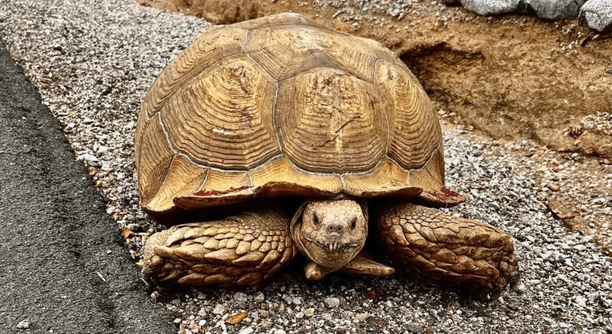
Sulcata tortoises are known for their playful and curious nature. If your tortoise is trying to climb on you, it might not be seeking trouble. Understanding their behavior can help foster a stronger bond with your pet.
The main reason your sulcata tortoise tries to climb on you is due to curiosity and seeking attention. These tortoises are naturally social and may climb as a form of interaction, trying to engage with their owner.
This behavior could be an expression of affection or a way for your tortoise to explore its environment.
Understanding Sulcata Tortoise Behavior
Sulcata tortoises are naturally curious creatures. They are often seen climbing and exploring their environment. If your tortoise is climbing on you, it’s likely a form of bonding or a sign that they are comfortable around you. Tortoises enjoy interaction, and your presence may provide a source of security and curiosity. This behavior is common in younger tortoises, who are still learning about their surroundings. As they mature, they may continue this behavior as a way to seek attention or simply because they enjoy the interaction. While climbing may appear unusual, it is an instinctual way for them to explore.
Their climbing habits aren’t a cause for concern unless they are constantly attempting to climb out of their enclosure or seem stressed. It’s important to monitor your tortoise’s body language and overall health. When a tortoise climbs, it may simply be exploring its environment and seeking reassurance from its trusted companion.
Understanding these signs helps you interact with your tortoise in a way that strengthens your relationship. Providing a safe and stimulating environment encourages positive behavior, allowing them to feel secure in their space.
Why Climbing Can Be a Sign of Affection
Sometimes, climbing may be a subtle sign of affection. Your sulcata tortoise may be seeking attention or a physical connection with you.
If your tortoise frequently tries to climb on you, it may be a way to show trust and comfort. They are likely associating you with safety, warmth, and food, all of which they rely on you to provide. When a tortoise climbs, it can indicate that they feel secure in your presence. They may also seek out a higher vantage point, something they instinctively enjoy. This behavior can strengthen your bond and make your tortoise feel more at ease with you.
Tortoises are not as outwardly affectionate as some pets, but they express their attachment through actions like climbing. This nonverbal communication is important for building trust. The more time you spend with your tortoise, the more likely they are to seek you out. Climbing on you becomes a way for your tortoise to experience comfort in a familiar, safe space. It’s a subtle yet significant display of their attachment.
Why Tortoises Climb on Their Owners
Climbing is a natural behavior for sulcata tortoises. They explore their surroundings to find food, shelter, and warmth. When they climb on you, they are often trying to get closer or seeking attention.
Your tortoise may climb on you because they associate you with positive things like food or safety. This behavior can also be linked to their instinct to explore higher ground for a better view. They might see you as a source of comfort or even as a place to get to new, exciting spaces. If they climb up to your lap, it could also be a sign they trust you.
Another reason for this climbing behavior is that sulcata tortoises enjoy being active and stimulated. They have a natural curiosity about everything in their environment, and this includes you. It’s important to create an environment that meets these needs to keep your tortoise happy and active.
How to Respond to Your Tortoise’s Climbing
When your tortoise climbs on you, it’s a sign of interest and trust. It’s essential to handle them gently to maintain this bond.
Avoid pushing them away when they try to climb on you, as this may lead to stress or confusion. Instead, allow them to climb and explore, but ensure they do so safely. You can gently guide them back to the ground if needed, but avoid sudden movements that could startle them. Make sure your tortoise has a comfortable place to climb in their environment, like rocks or logs. This helps prevent unwanted climbing on you, while still providing them with stimulation.
Tortoise Climbing and Exploration
Climbing is a way for your sulcata tortoise to explore. They enjoy testing their boundaries and learning about their environment.
When your tortoise climbs, they’re often looking for something interesting or seeking a new perspective. This is part of their instinct to explore and interact with the world around them. Climbing helps them gather more information about their surroundings.
How to Make Your Tortoise Feel Safe
To ensure your tortoise feels secure, create a comfortable, enriched environment. Proper hiding spots, enough space, and safe climbing options will keep them content.
A well-designed habitat is key for reducing unnecessary climbing on you. It gives your tortoise a space to roam, climb, and explore without constantly seeking interaction.
FAQ
Why does my sulcata tortoise climb on me?
Climbing is a way for your sulcata tortoise to explore its environment and seek attention. It may climb on you as a sign of trust, affection, or curiosity. Tortoises naturally climb to explore higher ground and view their surroundings from different angles. If your tortoise climbs on you, it could also be trying to reach a higher vantage point or simply seeking a safe, familiar space.
Is climbing a normal behavior for sulcata tortoises?
Yes, climbing is a normal and healthy behavior for sulcata tortoises. They are naturally curious creatures that enjoy testing their environment. Climbing helps them explore and find food, shelter, and even sunlight. It’s part of their instinct to move around and interact with their surroundings. As long as they are not excessively climbing or showing signs of stress, it’s a natural part of their behavior.
Should I allow my sulcata tortoise to climb on me?
Allowing your tortoise to climb on you can be a sign of trust and comfort. It’s not harmful to let them climb, but ensure that they do so safely. If your tortoise is climbing on you to explore or seek attention, you can let them interact with you. However, be mindful of how they behave and make sure they don’t feel trapped or stressed. If you notice any signs of discomfort or if they attempt to climb for long periods, consider redirecting them to safer climbing spots in their habitat.
How can I prevent my sulcata tortoise from climbing on me too much?
If your tortoise’s climbing behavior is becoming excessive, it may indicate boredom or a lack of enrichment in their environment. Providing more stimulating features in their habitat, such as rocks, logs, or other climbing structures, can help. Ensuring that they have ample space to roam and explore also reduces the urge to climb on you. You can also encourage them to engage with other objects or areas of their enclosure to satisfy their curiosity.
Does climbing indicate that my sulcata tortoise is stressed?
Climbing itself is not a sign of stress. It’s a natural behavior for sulcata tortoises. However, if your tortoise is constantly trying to climb or showing signs of frustration, stress could be a factor. Stress in tortoises can result from factors like inadequate temperature, poor diet, lack of space, or insufficient hiding places. If you notice other signs of stress, such as decreased appetite or lethargy, it’s important to assess their environment and make adjustments.
Can climbing cause injury to my tortoise?
Climbing can pose some risks, especially if your tortoise is attempting to scale areas that are too high or unstable. It’s essential to provide a safe climbing environment with sturdy, low obstacles. If your tortoise is climbing on furniture or other areas that could lead to falls, it may increase the risk of injury. Always make sure your tortoise has safe climbing opportunities in their habitat to minimize the risk of accidents.
How can I make my tortoise’s climbing experience safer?
To ensure your tortoise’s climbing experience is safe, create an enclosure with low, stable climbing structures. Avoid sharp edges or areas that could cause injury if they fall. Providing various textured surfaces, such as rocks, logs, or ramps, will allow your tortoise to climb safely and engage with its environment. Always observe your tortoise to make sure it’s not climbing into unsafe areas or engaging in risky behavior.
Is climbing a sign that my tortoise wants more interaction?
Yes, if your tortoise climbs on you, it could be seeking more interaction. Tortoises are social animals and may climb to get closer to you, especially if they associate you with food or safety. If you’re not able to spend time with your tortoise regularly, they may seek you out in search of attention. Increasing the time you spend with your tortoise, providing enrichment, and giving them safe climbing opportunities can help satisfy their need for social interaction.
What other behaviors should I watch for in my sulcata tortoise?
Aside from climbing, sulcata tortoises may display other behaviors such as digging, basking, and vocalizing. Digging is a natural behavior, especially when they are trying to find cooler spots or burrow. Basking is crucial for their health, as they need warmth to digest food and stay healthy. If your tortoise is eating well, active, and seems content with its environment, then it’s likely doing well. Keep an eye out for signs of illness or discomfort, such as lack of appetite, lethargy, or abnormal behavior.
Can my tortoise climb out of its enclosure?
Sulcata tortoises are strong and determined climbers, and while it’s uncommon for them to climb out of their enclosure, it is possible if they are motivated enough. To prevent escapes, make sure the enclosure is high enough and has secure sides. If your tortoise is prone to climbing, consider adding taller barriers or covering the top of their enclosure to ensure they stay safely inside. Regularly inspect the enclosure for weak spots or areas they might be able to climb over or squeeze through.
How can I tell if my tortoise is happy?
A happy sulcata tortoise is usually active, curious, and interactive. If your tortoise is climbing, exploring, eating regularly, and engaging with its environment, it’s likely content. They should also exhibit natural behaviors, such as basking, digging, and moving around their enclosure freely. Any signs of stress or discomfort, like a lack of appetite or unusual lethargy, should be addressed. Keep their habitat clean, offer a balanced diet, and ensure they have a comfortable, enriched space to thrive.
Final Thoughts
Sulcata tortoises are naturally curious creatures that enjoy exploring their environment. Climbing is a behavior rooted in their instincts, allowing them to gather information and seek new experiences. Whether climbing to get a better view or looking for attention, this behavior is typical. Understanding why your tortoise climbs on you can help ensure they are healthy, comfortable, and happy in their home.
If your sulcata tortoise is frequently climbing on you, it may be seeking more interaction or simply exploring its space. Providing a safe, enriched environment can minimize unnecessary climbing and reduce stress. Offering suitable climbing structures, space to roam, and opportunities for interaction can keep them content. It’s essential to ensure that your tortoise feels secure and not overly stressed, as environmental factors play a key role in their overall well-being.
In conclusion, climbing is a natural behavior for sulcata tortoises. It’s important to allow them to express themselves in a safe and controlled manner. Keeping their environment well-structured and providing regular engagement can reduce the need for climbing on you. By understanding these behaviors and making adjustments to their habitat, you’ll help ensure your tortoise lives a happy and healthy life.

Hello,
If you enjoy the content that we create, please consider saying a "Thank You!" by leaving a tip.
Every little bit helps us continue crafting quality advice that supports the health, happiness, and well-being of pets around the world, for pets of all shapes, sizes, and species.
We really appreciate the kindness and support that you show us!