
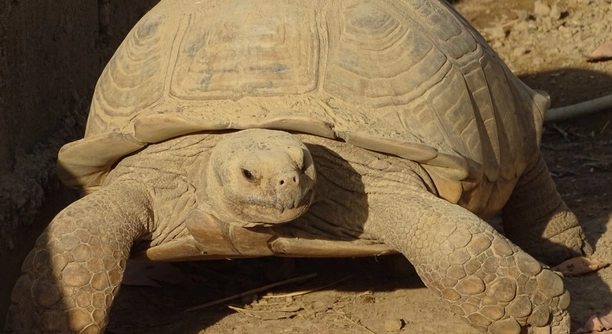
Introducing a Sulcata tortoise to a new home can be a challenge. These large, gentle creatures need a bit of time to adjust. With the right care, your tortoise will quickly feel comfortable and start thriving in its new environment.
The best way to help your Sulcata tortoise settle in is by creating a proper habitat that mimics its natural surroundings. Provide a spacious enclosure, proper lighting, and access to water. Consistency in their environment will ease the transition.
Making these small adjustments will encourage your tortoise to explore and adapt to its new home comfortably.
Create a Comfortable Habitat
A spacious enclosure is the first step in helping your Sulcata tortoise feel at home. These tortoises require room to roam, as they can grow quite large. Aim for a pen that provides ample space for movement. It’s essential to include both shaded and sunny areas within the enclosure to replicate natural conditions. The temperature is also a key factor; during the day, it should be warm, while cooler nighttime temperatures are also necessary. The substrate, or bedding material, should be dry and easy to clean. Sand or soil works best as it supports natural burrowing behaviors. By providing a habitat that meets these basic needs, you can help your tortoise feel secure in its new space. Remember, consistency is key. Sudden changes in its environment can cause stress, hindering the settling process.
A proper habitat supports your Sulcata tortoise’s health and well-being. Establishing the right environment is crucial for a smooth transition.
Setting up an optimal environment will give your Sulcata tortoise the chance to thrive. Once the habitat is ready, allow your tortoise to explore at its own pace. This will help it feel secure and start adjusting more quickly. Be sure to check on your tortoise regularly and keep the enclosure clean. It’s important to maintain consistency in the environment to help it adapt without unnecessary stress. Offering fresh food and water daily will also make the space feel more welcoming.
Establish a Feeding Routine
Consistency in feeding plays a large role in your tortoise’s comfort. It’s important to establish a feeding schedule right from the start. Sulcata tortoises are herbivores, so their diet should mainly consist of grasses, hay, and leafy greens. Offering food at the same time each day helps your tortoise know what to expect, creating a sense of stability. When feeding, avoid overfeeding, as it can lead to health issues like obesity. Stick to a portion size that reflects your tortoise’s age and size. As your tortoise settles into its new home, ensure fresh food is available daily. Over time, your Sulcata will begin to recognize the feeding routine and feel more at ease with its surroundings.
A feeding schedule will make your Sulcata tortoise feel secure. Regular, consistent meals help it adjust faster.
Feeding your Sulcata tortoise the right diet will aid in its health and comfort. Along with providing leafy greens, you should also offer calcium supplements to ensure strong bones. Calcium is essential, especially as the tortoise grows. A varied diet will keep your tortoise healthy and provide the necessary nutrients. Avoid feeding fruits too frequently as they can upset their digestive system. Provide clean water at all times, and clean the food dish regularly to avoid contamination. Monitoring their intake and watching for any changes in appetite can also signal if something is wrong. Ensuring the feeding area is kept clean and tidy will contribute to the overall stability of their environment.
Provide Proper Lighting
Lighting is essential for a Sulcata tortoise to regulate its body temperature and maintain healthy habits. UVB lighting helps them synthesize vitamin D3, which is necessary for proper calcium absorption. Without it, your tortoise could develop bone issues.
Ensure the enclosure has a UVB light source that mimics natural sunlight. Set up the light at the right height to cover most of the enclosure, providing consistent exposure. This will encourage your tortoise to move around during the day, mimicking natural sunlight patterns. Keep the lighting on for 12 hours a day to maintain a day-night cycle.
A proper light setup will help your Sulcata feel more comfortable. It also supports their overall health by providing the necessary energy and warmth. Place the light where your tortoise can move in and out of its range. This will allow them to self-regulate their temperature, avoiding excessive heat or cold. Regularly replace the UVB bulbs, as they lose effectiveness over time.
Maintain Humidity Levels
Sulcata tortoises need specific humidity levels to thrive. While they are native to dry environments, their shells can become brittle without proper moisture. Maintaining a balanced humidity level in the enclosure is important for their well-being.
Monitor humidity closely by using a hygrometer. Keep humidity between 40 and 60 percent. This will prevent the tortoise from becoming dehydrated and promote a healthier shell. You can adjust the humidity by lightly misting the enclosure or adding a humid hide.
Regularly check on the substrate to ensure it’s not too dry or too wet. A dry habitat can cause skin issues, while excessive moisture can lead to respiratory problems. Maintaining proper humidity will allow your tortoise to feel secure and healthy, helping it adjust to its new home.
Keep the Enclosure Clean
A clean environment helps prevent health problems and promotes comfort. Remove waste regularly to avoid bacteria buildup and unpleasant odors. This will also reduce the risk of infections and parasites.
Make it a habit to clean the enclosure at least once a week. Wipe down surfaces, change the bedding, and clean food and water dishes. Disinfect the area when needed to maintain a hygienic environment for your tortoise. Keeping the enclosure clean will also make your Sulcata feel more at ease in its new home.
Offer a Variety of Hiding Spots
Sulcata tortoises appreciate having places to hide, especially when they’re adjusting to a new space. Provide at least one hiding spot in the enclosure to give your tortoise a sense of security.
A simple cardboard box or plastic shelter will work well. Place it in a corner of the enclosure to allow your tortoise a quiet space. Having a retreat area reduces stress, as it allows your tortoise to feel safe when it needs rest or time alone. Adding more hiding spots will help your tortoise settle faster.
Watch for Signs of Stress
It’s important to observe your Sulcata tortoise for signs of stress. Changes in behavior, such as hiding too much or refusing food, can signal discomfort.
Monitor its activity and eating habits daily. If your tortoise seems lethargic or irritable, check the environment. Look for temperature fluctuations, poor lighting, or a dirty enclosure that could be causing the stress. Addressing these factors promptly will help your tortoise settle in more comfortably. Stress is normal at first but should be minimized for long-term health.
FAQ
How long does it take for a Sulcata tortoise to settle in?
The time it takes for a Sulcata tortoise to settle in varies, but it typically takes a few weeks. It depends on factors such as the tortoise’s age, the setup of the enclosure, and its past experiences. Providing a stable and consistent environment speeds up the adjustment process. Young tortoises may take a little longer to feel comfortable, as they are still learning how to adapt to their new surroundings.
What should I feed my Sulcata tortoise?
Sulcata tortoises are herbivores, so their diet should consist of high-fiber grasses, hay, and leafy greens. They can also eat dandelion greens, collard greens, and some weeds. Avoid feeding them high-oxalate foods, like spinach, in large quantities. Providing a variety of greens and grasses ensures they get the necessary nutrients. Do not overfeed fruits as they can lead to digestive issues.
How often should I feed my Sulcata tortoise?
It’s best to feed your Sulcata tortoise daily, especially when it’s young. As they grow, you can gradually reduce the frequency to every other day. Be sure to remove uneaten food to keep the enclosure clean and prevent any rotting or mold growth. Always provide fresh water daily, as hydration is important for digestion.
What is the best substrate for a Sulcata tortoise?
The best substrate for a Sulcata tortoise is one that is easy to clean, holds moisture well, and allows for burrowing. Some good options include a mix of soil and sand, or coconut coir. Avoid using substrates like pine or cedar shavings, as they can be harmful to the tortoise’s respiratory system. Make sure the substrate is dry but not too dusty.
Do Sulcata tortoises need a companion?
Sulcata tortoises are solitary animals and do not require companionship to thrive. In fact, they can be territorial, especially as they age. Providing a single tortoise with enough space, resources, and environmental enrichment is more important than keeping it with others.
Can Sulcata tortoises live outdoors?
Yes, Sulcata tortoises can live outdoors in areas with warm climates. They enjoy basking in the sun and are well-suited for outdoor enclosures. However, make sure the enclosure is escape-proof, as they are good at digging. Provide shaded areas, water, and a secure space to prevent predators from getting to them.
What temperature does my Sulcata tortoise need?
Sulcata tortoises thrive in temperatures between 85°F and 95°F during the day, with a basking spot reaching 100°F. At night, temperatures should drop to around 70°F. Use a thermostat and heat lamps to maintain these temperatures in their enclosure. Avoid placing them in areas with extreme temperature changes or drafts.
Do I need to give my Sulcata tortoise supplements?
Yes, Sulcata tortoises need calcium supplements to ensure they have strong bones and shells. You can provide calcium powder sprinkled over their food or add a cuttlebone to their enclosure. Make sure to also offer vitamin D3, which helps with calcium absorption. These supplements are especially important for young tortoises.
How much space does my Sulcata tortoise need?
Sulcata tortoises are large, and they need plenty of space to roam. As a general rule, their enclosure should be at least 10 feet by 10 feet for an adult tortoise, with more space if possible. Providing room to move around and dig is important for their physical and mental health. For young tortoises, a smaller enclosure will work, but it should still allow for growth.
What are the signs of a healthy Sulcata tortoise?
A healthy Sulcata tortoise will have clear eyes, a smooth, firm shell, and will be active during the day. It should eat regularly and drink water. The tortoise’s skin should be free of sores or cracks, and it should move without limping. If your tortoise is not eating, hiding too much, or showing signs of lethargy, it could be a sign of illness.
How do I handle my Sulcata tortoise?
Handling Sulcata tortoises should be done gently and infrequently. These tortoises do not enjoy being held for long periods and may become stressed. When handling them, make sure to support their entire body, avoiding their limbs or head. Allow the tortoise to explore on its own terms and avoid picking it up unnecessarily.
How do I prevent my Sulcata tortoise from escaping?
Sulcata tortoises are excellent diggers. To prevent escape, make sure the enclosure has walls that extend several inches below the ground. This will prevent your tortoise from digging out. You can also add a layer of rocks or bricks along the base of the fence to further deter digging.
Why is my Sulcata tortoise not eating?
If your Sulcata tortoise refuses to eat, it could be due to a variety of reasons. Stress from an improper environment, such as inadequate temperature, lighting, or humidity, can cause loss of appetite. Illness, dehydration, or a sudden change in diet could also be contributing factors. Make sure its habitat is set up correctly and offer fresh, appealing food.
Can I keep my Sulcata tortoise with other pets?
Sulcata tortoises are territorial and may not do well with other pets, especially smaller animals. They are not aggressive but can become stressed if they feel their territory is being invaded. It’s best to keep them in their own space, away from other animals. If you choose to keep them with other pets, always supervise their interactions closely.
What kind of water do I need to provide for my Sulcata tortoise?
Always provide clean, fresh water for your Sulcata tortoise. It should have access to water daily. You can place a shallow water dish in the enclosure that’s easy for your tortoise to access. Make sure to clean the dish regularly to prevent bacteria buildup. Additionally, misting the enclosure occasionally helps maintain hydration levels, especially in drier environments.
How do I know if my Sulcata tortoise is stressed?
Signs of stress in a Sulcata tortoise can include hiding too much, excessive digging, or refusing to eat. Other signs include erratic movements, inactivity, or a change in behavior. Check if any changes in the environment may be causing this stress. It could be related to temperature fluctuations, inadequate lighting, or improper substrate.
Final Thoughts
Taking the time to create the right environment for your Sulcata tortoise is essential for its well-being. These tortoises are hardy creatures, but they do require attention to detail when it comes to their habitat. A proper setup, including the right temperature, humidity, and food, will ensure that your tortoise settles in comfortably. Their long lifespan means that creating a good environment now will benefit them for many years to come.
Being patient and understanding during the settling process is important. Sulcata tortoises are naturally slow to adjust to new environments. With proper care, they will begin to explore their space and feel secure. It’s essential to keep an eye on their behavior and make any necessary adjustments to their habitat. Over time, your tortoise will become more comfortable and active, but it may take several weeks for them to fully settle in.
Remember that Sulcata tortoises thrive in a solitary environment. They do not require a companion to feel happy and safe. Ensuring that they have enough space and the right resources will keep them healthy. By following the tips in this article, you can help your tortoise adjust to its new home and enjoy a long, healthy life with you.

Hello,
If you enjoy the content that we create, please consider saying a "Thank You!" by leaving a tip.
Every little bit helps us continue crafting quality advice that supports the health, happiness, and well-being of pets around the world, for pets of all shapes, sizes, and species.
We really appreciate the kindness and support that you show us!