
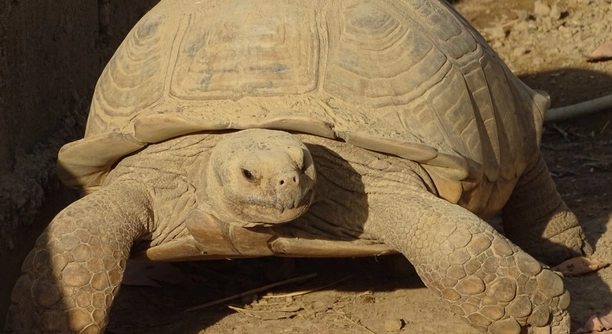
Is your sulcata tortoise not eating like it usually does? It can be concerning when your pet’s appetite decreases suddenly. Tortoises are known for being good eaters, so any change in this behavior may signal an underlying issue.
The main reasons your sulcata tortoise may be losing its appetite include environmental stress, health problems, or changes in its diet. Ensuring proper temperature, hydration, and the right food can help resolve the issue.
Identifying the cause early will help prevent further complications. There are steps you can take to address these concerns and restore your tortoise’s health.
Stress and Environment
Stress can significantly affect your sulcata tortoise’s appetite. If there have been recent changes in its environment, like moving to a new habitat or a sudden noise, your tortoise may feel unsettled. Sulcata tortoises are particularly sensitive to their surroundings. High temperatures, too much humidity, or not enough space to roam could cause stress and reduce eating habits.
If the enclosure is too small or lacks hiding spots, your tortoise might feel exposed and stressed. Another common cause is sudden temperature fluctuations. These animals thrive in stable environments, and any abrupt changes in heat can affect their behavior and eating patterns. Stress can also come from inadequate lighting or a lack of proper substrate for digging.
In addition to adjusting environmental factors, consider the placement of your tortoise’s habitat. A peaceful area away from household activity might help it feel more comfortable and secure. Stress can take time to resolve, but providing a calm, stable space should encourage your tortoise to eat again.
Diet and Hydration
Diet is another important factor to consider when your sulcata tortoise is losing its appetite. A sudden change in the type of food offered can cause a loss of interest in eating.
A sulcata tortoise’s diet should mainly consist of high-fiber grasses, hay, and leafy greens. If it has been eating more fruit or vegetables than usual, this could be the reason it isn’t eating as much. These reptiles need a specific balance of food to remain healthy, and too much variation may be confusing or unappealing to them. A lack of hydration can also lead to a reduced appetite. Dehydrated tortoises are less likely to eat, and it can lead to more severe health issues.
Incorporating a regular hydration schedule can encourage your tortoise to eat and avoid dehydration. You can also offer fresh water by soaking your tortoise briefly, which can help restore hydration levels. A well-balanced diet and proper water intake are crucial for maintaining your tortoise’s appetite and overall health.
Health Issues
Health problems can also lead to a loss of appetite in sulcata tortoises. If your tortoise has suddenly stopped eating, it could be a sign of an underlying health issue that needs immediate attention.
Common health issues in sulcata tortoises include respiratory infections, parasites, and shell rot. Respiratory infections are especially common if the enclosure is too cold or humid. These infections often come with symptoms like wheezing, nasal discharge, or lethargy. Parasites, on the other hand, can cause digestive issues, making your tortoise lose its appetite. Shell rot, usually due to improper humidity or wet conditions, can lead to infection and pain, which discourages eating.
If you suspect your tortoise has a health issue, taking it to a reptile vet is crucial. An early diagnosis can prevent more serious health concerns and help get your tortoise back on track with eating and thriving. Regular check-ups will ensure that any health issues are addressed promptly.
Overfeeding
Overfeeding can also cause your tortoise to lose interest in food. When they are given too much food or too often, they can become less motivated to eat.
Sulcata tortoises have specific dietary needs, and overeating can lead to digestive problems. They require a balance of fiber-rich foods and calcium. If you feed them too much fruit or fatty vegetables, their appetite might decrease. A sudden increase in food portions can also overwhelm their system. In some cases, it might even cause bloating or discomfort, leading to a lack of appetite.
To avoid overfeeding, it’s important to maintain a proper feeding schedule and portion size. Your tortoise needs a routine, with appropriate amounts of food given once or twice daily. Keeping track of how much your tortoise eats can prevent overeating and encourage a healthy appetite. Avoid offering excessive treats or changing food types frequently, as this may lead to dietary confusion and a lack of interest in eating.
Temperature and Lighting
Temperature and lighting play a key role in your tortoise’s appetite. If these factors aren’t right, it may cause them to stop eating.
Sulcata tortoises need consistent temperatures to remain healthy. If their habitat is too cold, they may become lethargic and avoid food. Similarly, improper lighting can affect their digestion.
Ensure the enclosure has a basking spot with temperatures around 95°F and a cooler area of 75°F. Proper UVB lighting is essential for digestion and vitamin D production. Without these, your tortoise may not feel hungry or motivated to eat. Regularly check these conditions to maintain their health.
Lack of Exercise
Tortoises need regular exercise to stay active and healthy. Without enough space or movement, they may lose interest in food.
Sulcata tortoises are naturally active and require a large area to roam. Lack of physical activity can lead to weight gain, stress, and a decreased appetite. If your tortoise isn’t getting enough exercise, it might not feel hungry. A larger enclosure or supervised outdoor time will help keep your tortoise moving, improving its appetite.
Providing opportunities for exploration and exercise will help your tortoise stay healthy and more likely to eat regularly.
Age-Related Changes
As tortoises age, their appetite may naturally decrease. This can be due to slower metabolism and changes in digestion.
Older sulcata tortoises may eat less than they did when they were younger. They might also become less active and prefer resting more. While a decrease in food intake is common, you should still monitor their weight and health closely. If the loss of appetite becomes more severe or is accompanied by other symptoms, a vet visit is recommended to rule out health concerns.
FAQ
What should I do if my sulcata tortoise refuses to eat?
If your sulcata tortoise refuses to eat, check its environment first. Ensure the temperature and humidity are correct. A basking spot should be around 95°F, and the cooler area should be around 75°F. If the temperature is too low, your tortoise may not be able to digest food properly. Also, provide proper lighting, especially UVB light, which is essential for their health. Make sure there is enough space for them to roam and exercise. If everything seems fine, consider taking your tortoise to a vet for a check-up.
How can I tell if my tortoise is sick?
Signs of illness in tortoises include changes in behavior, like lethargy or hiding more than usual, difficulty breathing (wheezing or nasal discharge), swollen eyes, or an abnormal appearance of the shell. If your tortoise shows any of these symptoms, it’s best to consult a vet immediately. Early detection of health problems can make a huge difference in recovery. Be attentive to your tortoise’s eating habits as well. A lack of appetite could indicate a health issue.
Can I feed my sulcata tortoise fruit every day?
It’s not recommended to feed your sulcata tortoise fruit every day. While they may enjoy the sweetness, fruits are high in sugar and can upset their digestive system if given too often. Overfeeding fruit can also lead to obesity and other health issues. Instead, offer fruit as an occasional treat, no more than once or twice a week. Focus on a diet rich in high-fiber grasses, hay, and leafy greens for regular meals.
Is it normal for my tortoise to stop eating during winter?
Yes, it’s normal for sulcata tortoises to reduce their food intake during colder months, especially if the temperatures in their enclosure aren’t warm enough. In the wild, they would naturally experience a decrease in activity and food intake during cooler weather. However, you should ensure their environment remains warm, ideally around 75°F to 85°F. If your tortoise is not eating for extended periods, or if the temperature is within range, it might be worth checking for other issues, including potential health problems.
How much should I feed my sulcata tortoise daily?
The amount you feed your sulcata tortoise depends on its age, size, and activity level. As a general guideline, offer a variety of grass hay, leafy greens, and flowers. You can feed adult tortoises around 2-3 times a week, while younger tortoises may need more frequent meals. It’s important to keep the diet high in fiber and low in protein. A common recommendation is to fill the tortoise’s feeding area with greens and allow it to eat as much as it wants. Avoid overfeeding and focus on the right balance of food.
How can I make my tortoise eat more?
To encourage your tortoise to eat more, make sure the environment is stress-free, with proper temperature and lighting. Introduce new foods gradually and avoid sudden changes. Adding variety, like dandelion greens, clover, or other safe plants, may entice your tortoise to eat more. Additionally, soaking your tortoise in warm water can sometimes help with digestion and appetite. Make sure your tortoise has access to fresh water at all times. If your tortoise continues to refuse food despite these efforts, a visit to the vet is a good next step.
Is it safe to feed my sulcata tortoise vegetables like lettuce or carrots?
While lettuce and carrots are generally safe in small amounts, they should not be the primary food for your sulcata tortoise. Lettuce, especially iceberg lettuce, lacks nutrients and can cause digestive issues. Instead, offer dark leafy greens like collard greens, kale, or dandelion leaves. Carrots can be given occasionally but should not make up a large part of their diet due to their high sugar content. Stick to a primarily high-fiber diet, and only occasionally offer vegetables and fruits as a treat.
Why is my tortoise’s shell turning soft?
A soft shell can be a sign of metabolic bone disease, which is often caused by insufficient calcium or UVB exposure. If your tortoise’s shell is soft or pliable, it’s essential to correct its diet and lighting immediately. Ensure the UVB lighting is in proper working condition, as this helps the tortoise produce vitamin D3, which is essential for calcium absorption. Calcium supplements may also be needed, but be sure to follow your vet’s recommendations to avoid over-supplementing.
How long can my tortoise go without eating?
Sulcata tortoises can survive without food for a short period, especially if they are healthy and hydrated. However, it’s important to monitor their behavior closely. If your tortoise is refusing food for more than a few days, especially if accompanied by other symptoms, such as lethargy or respiratory distress, it’s important to seek veterinary care. Dehydration can be just as serious, so make sure your tortoise has access to fresh water daily. Prolonged periods without food can lead to health problems, so address the issue promptly.
Can sulcata tortoises be kept in an outdoor pen?
Yes, sulcata tortoises can live in an outdoor pen as long as it is secure and provides the appropriate conditions. The enclosure should be large enough for them to roam and dig, as they need space to stay active and healthy. The pen should have areas with both sun and shade, and you must ensure it’s escape-proof since sulcata tortoises are good at digging. Make sure the outdoor pen offers protection from predators and harsh weather conditions.
Final Thoughts
If your sulcata tortoise is losing its appetite, it’s important to take a close look at the environment and daily care routine. These tortoises can be sensitive to changes in temperature, humidity, and lighting. Even small adjustments can make a big difference. Ensuring your tortoise has a comfortable, stable environment is key to its overall health and well-being. If the habitat is too cold or the lighting is inadequate, your tortoise may stop eating, and that could lead to other health issues.
Diet also plays a major role in their appetite. Offering a variety of high-fiber grasses and leafy greens is essential for keeping your tortoise healthy and well-fed. Avoid overfeeding fruits and vegetables, as these are not as nutritionally beneficial for sulcata tortoises. It’s also important to provide fresh water and consider soaking your tortoise to keep it hydrated. These simple steps can help maintain a healthy appetite. However, if your tortoise is still not eating despite making these changes, it could be a sign of an underlying health issue that needs to be addressed by a veterinarian.
In the end, it’s essential to pay attention to your tortoise’s behavior and monitor its eating habits. By ensuring the environment is correct, providing a proper diet, and addressing any health issues, you can help your tortoise maintain a healthy appetite. Early intervention is always better than waiting too long, so if you notice persistent issues, don’t hesitate to consult a vet. Keeping your sulcata tortoise happy and healthy takes attention to detail, but the effort is always worth it in the end.

Hello,
If you enjoy the content that we create, please consider saying a "Thank You!" by leaving a tip.
Every little bit helps us continue crafting quality advice that supports the health, happiness, and well-being of pets around the world, for pets of all shapes, sizes, and species.
We really appreciate the kindness and support that you show us!