
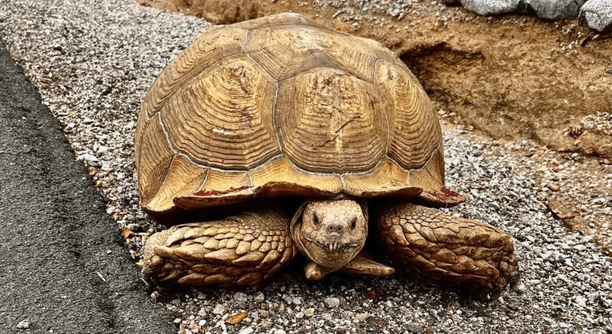
Sulcata tortoises are fascinating reptiles that can live long, fulfilling lives when properly cared for. However, there are several common health risks that can shorten their life expectancy. Knowing how to prevent these dangers is key to keeping your tortoise healthy.
Sulcata tortoises face various threats, including improper diet, dehydration, parasites, and inadequate living conditions. These factors can lead to fatal illnesses such as metabolic bone disease, respiratory infections, and shell rot. Prevention through proper care is crucial.
Understanding these common causes of death can help you protect your tortoise. With the right diet, proper housing, and regular vet visits, you can help your tortoise live a long, happy life. Keep reading to learn more about how to prevent these risks.
Improper Diet and Nutrition
An improper diet is one of the most common causes of health problems in sulcata tortoises. These tortoises require a high-fiber diet with plenty of grass, hay, and weeds to maintain proper digestion. Feeding them inappropriate foods, such as high-protein or high-calcium items, can lead to severe conditions like metabolic bone disease. It’s essential to understand what foods are safe for your tortoise and how to avoid harmful ones. Overfeeding sugary vegetables or fruits can cause digestive issues, and a lack of calcium can lead to soft shells. Always aim to offer a balanced diet, focusing on what their natural habitat provides.
A proper diet ensures your sulcata tortoise’s bones remain strong, and their digestion functions smoothly. The right nutrition also helps to prevent obesity, a common issue that leads to other health problems.
To keep your tortoise in good shape, provide a variety of safe plants, grasses, and occasional calcium supplements if needed. Stick to natural, nutrient-dense food options and avoid processed, sugary items. Regularly check your tortoise’s weight and overall health to ensure the diet is working for them.
Dehydration
Dehydration can quickly lead to severe health issues in sulcata tortoises. These tortoises rely on moisture from their food and regular water access.
If your tortoise is not drinking enough water, it could suffer from kidney problems, constipation, and other health complications. Make sure they always have access to fresh water, and mist their enclosure to maintain humidity.
Regular hydration is crucial to keep your sulcata tortoise healthy. Ensure their living area is moist enough to prevent dehydration, and keep an eye on their water intake. If you notice signs of dehydration, consult a vet to prevent further issues.
Parasites
Parasites can be a serious threat to sulcata tortoises, causing infections and illnesses. Internal parasites, like worms, can lead to weight loss, lethargy, and poor overall health.
Regular vet checkups are essential to catch parasites early. If your tortoise starts losing weight or acting sluggish, it could be a sign of an infection. Some common symptoms to watch for include a decrease in appetite, diarrhea, or abnormal shell growth.
Preventing parasites involves maintaining a clean living environment, regularly changing bedding, and providing fresh food and water. If your tortoise shows signs of illness, a stool sample can help identify the issue. Regular deworming treatments are also recommended.
Respiratory Infections
Respiratory infections in sulcata tortoises are common, often caused by improper temperature and humidity levels in their environment.
Cold and damp conditions can weaken their immune system, making them more susceptible to infections. If your tortoise begins to wheeze, cough, or exhibit nasal discharge, these may be signs of a respiratory issue.
Maintaining the proper temperature (85-95°F during the day and 70-75°F at night) and humidity levels is crucial. Use a basking light to ensure your tortoise stays warm, and monitor the humidity levels with a hygrometer. Keeping your tortoise in a clean, dry environment will help prevent respiratory infections.
Shell Rot
Shell rot is a painful condition caused by bacterial or fungal infections, often due to poor living conditions or injuries to the shell.
This infection can lead to soft spots, discoloration, and foul-smelling patches on the shell. It’s important to inspect your tortoise regularly for any signs of shell damage or infections.
Prompt treatment is crucial to prevent further damage. If you notice any unusual spots or cracks, consult a vet immediately for proper diagnosis and care. Keeping the enclosure dry and clean is vital in preventing shell rot.
Obesity
Obesity is another common issue for sulcata tortoises, caused by overfeeding or offering too many high-calcium foods.
This condition can lead to joint problems and affect the tortoise’s mobility and overall health. Ensuring your tortoise gets the right balance of food and exercise is key to maintaining a healthy weight.
Providing a proper diet with plenty of grasses and limiting treats will help prevent obesity. Encourage exercise by offering space for your tortoise to roam. Regularly monitor their weight to keep track of any changes.
FAQ
What temperature should I keep my sulcata tortoise at?
Sulcata tortoises need a warm environment to thrive. During the day, the temperature should be around 85-95°F (29-35°C), with a basking spot that can reach 100°F (37°C). At night, the temperature can drop to 70-75°F (21-24°C). It’s important to use a reliable heat source, such as a basking light, to maintain the right conditions. A thermometer in their enclosure will help you monitor the temperature. Keeping a consistent temperature range will prevent stress and help your tortoise maintain proper digestion and overall health.
How often should I feed my sulcata tortoise?
Sulcata tortoises should be fed daily, but portion size is crucial. A diet rich in grass, hay, and weeds is best. Young tortoises can eat larger amounts, but as they age, you should reduce the quantity to prevent obesity. Offer food once or twice a day, with a focus on fibrous plants. You can also provide calcium supplements if needed. Avoid feeding them high-protein foods or too many fruits and vegetables. Offering variety in their diet is key to keeping them healthy, and always make sure fresh water is available.
Can sulcata tortoises live outside?
Yes, sulcata tortoises can live outside in warm climates. They thrive in large, outdoor enclosures with access to plenty of sunlight. However, in colder areas, they will need to be housed indoors during the winter months to maintain their body temperature. If you’re keeping them outside, make sure their enclosure is secure to prevent escape and protect them from predators. The space should also have plenty of hiding spots and access to food, water, and shelter from rain or extreme heat.
How can I tell if my sulcata tortoise is dehydrated?
Dehydration is a serious concern for sulcata tortoises. Signs of dehydration include dry, wrinkled skin, a lack of appetite, sunken eyes, and lethargy. If you notice these symptoms, offer your tortoise fresh water immediately and consider soaking them in warm water for 20-30 minutes to help with hydration. A hydrated tortoise will have plump, healthy skin, and their eyes should appear normal. Ensuring your tortoise has regular access to water and misting their enclosure can help prevent dehydration.
How do I prevent shell rot?
Preventing shell rot involves maintaining clean, dry, and warm living conditions for your tortoise. Shell rot is often caused by bacteria or fungi that thrive in moist, dirty environments. Regularly clean your tortoise’s enclosure and change bedding to prevent any buildup of waste. If your tortoise gets injured, clean the wound immediately and apply an appropriate antiseptic. Watch for any signs of shell damage, such as soft spots or discoloration, and consult a vet right away if you suspect an infection.
Can sulcata tortoises eat fruits?
While sulcata tortoises can eat fruits, they should be given sparingly. Too much fruit can lead to digestive issues or obesity. Fruits like apples, pears, or melons can be given as an occasional treat, but they shouldn’t make up a large portion of their diet. A focus on high-fiber grasses and weeds is ideal for their long-term health. Offer fruits only once a week or in small amounts, and always ensure they have access to plenty of hay and greens.
How can I tell if my sulcata tortoise is sick?
A sick sulcata tortoise may display a range of symptoms, including lack of appetite, lethargy, difficulty breathing, nasal discharge, abnormal shell growth, or changes in their stool. If you notice any of these signs, it’s important to consult a veterinarian familiar with reptiles as soon as possible. Regular vet checkups are also recommended to catch any potential health issues early. Keeping an eye on your tortoise’s behavior and overall condition will help you notice any problems before they become serious.
What size enclosure does my sulcata tortoise need?
As sulcata tortoises grow, they need more space. For a baby sulcata, an enclosure of at least 4×4 feet is sufficient, but as they mature, the space should increase. Adult sulcata tortoises require a minimum of 10×10 feet of space to roam, with a secure perimeter to prevent escapes. The enclosure should include areas for basking, hiding, and grazing, as well as shelter from extreme weather. The more room you can provide, the healthier and happier your tortoise will be.
Do sulcata tortoises need a companion?
Sulcata tortoises are solitary creatures by nature. While they can coexist with other tortoises, they don’t typically need a companion. In fact, overcrowding can cause stress and territorial behavior. It’s usually better to keep a single tortoise in an enclosure, as they thrive when they have space to roam without competition. If you do house more than one sulcata, make sure they have plenty of room to avoid conflicts.
Final Thoughts
Caring for a sulcata tortoise requires attention to detail and a commitment to providing the best possible environment. These tortoises can live for many years, sometimes even decades, if given proper care. They are hardy animals but can suffer from several health issues if their needs aren’t met. The most common causes of death in sulcata tortoises include improper diet, dehydration, shell rot, respiratory infections, and parasites. Being mindful of their habitat, diet, and overall health will help prevent these issues. It’s important to regularly check on your tortoise, keep their enclosure clean, and make sure they are getting the proper nutrition and hydration.
Creating the right environment for your sulcata tortoise is key to ensuring their well-being. This means providing enough space, maintaining proper temperatures and humidity levels, and offering a diet that closely matches what they would find in the wild. A proper balance of grass, hay, and occasional vegetables will help avoid many common health problems. It’s also essential to offer fresh water at all times and regularly monitor the enclosure’s conditions. If you’re unsure about any aspect of your tortoise’s care, don’t hesitate to consult with a veterinarian or reptile expert to get guidance.
Ultimately, taking a proactive approach to their care can help your sulcata tortoise live a long, healthy life. While they may not show signs of illness until it’s too late, being observant and providing them with a safe, suitable home will go a long way in preventing common health issues. With the right attention to diet, hydration, cleanliness, and overall habitat, you can help your tortoise avoid many of the risks that lead to early death. By following these simple guidelines, you’ll ensure your tortoise has the best chance at a happy, healthy life.

Hello,
If you enjoy the content that we create, please consider saying a "Thank You!" by leaving a tip.
Every little bit helps us continue crafting quality advice that supports the health, happiness, and well-being of pets around the world, for pets of all shapes, sizes, and species.
We really appreciate the kindness and support that you show us!