
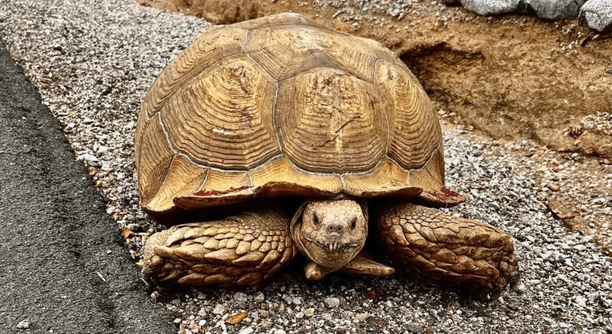
If you’re a proud owner of a Sulcata tortoise, it’s important to keep an eye on their health to ensure they thrive. Fungal infections can affect them, so knowing the signs is essential to catching the problem early.
A fungal infection in Sulcata tortoises often presents itself through changes in their skin, shell, and behavior. These infections can cause discoloration, lesions, or swelling, and may lead to further complications if not addressed promptly.
Recognizing these signs early can make a significant difference in your tortoise’s recovery. Learn how to spot potential infections and take the right steps to ensure your pet stays healthy and happy.
Changes in Skin Texture or Color
Fungal infections can cause noticeable changes in your Sulcata tortoise’s skin. The most common signs include unusual patches or discoloration. These areas may appear lighter or darker than the surrounding skin and could feel rough or scaly. If your tortoise starts to develop these spots, it’s important to monitor them closely. While some color changes are natural, fungal infections typically involve areas that are more textured or uneven.
These changes can spread quickly, especially if the infection is not treated in time. The skin may also appear swollen or irritated in some cases.
Fungal infections can lead to skin peeling or crusty areas, which may worsen without proper care. If you see any of these signs, it’s best to consult a veterinarian who specializes in reptiles. They can give you advice on how to treat the infection and prevent it from spreading. Regular bathing and maintaining a clean environment are important steps to support your tortoise’s skin health.
Shell Discoloration
If your tortoise’s shell begins to change color, it may indicate an infection.
Fungal infections often cause spots or discoloration on the shell that can be a pale or dark shade. This can sometimes look like a patchy, uneven coating, especially near the edges. The changes could be small at first but may grow larger over time if left untreated.
Fungal growth on the shell might result in softening or cracking. These changes can lead to more serious issues, such as weakening the structure of the shell. In some cases, the infected area could begin to show signs of rot, which may create a foul smell. It’s essential to keep your tortoise’s living area clean and well-maintained to prevent fungal spores from settling on the shell. If you notice these issues, seek advice from a vet as soon as possible to prevent further damage.
Swelling or Soft Spots
Swelling is a common sign of fungal infection. It usually appears around the skin, shell, or joints. These areas may feel soft or puffy to the touch. If you notice any abnormal swelling, it could be a result of an infection spreading beneath the surface.
Soft spots can sometimes be mistaken for normal bumps or growths, but with a fungal infection, they can feel spongy and unusually squishy. The area may not show immediate signs of injury but can get worse over time. Pay attention to any changes in shape, texture, or size, as these could signal the infection is progressing.
If the swelling does not go down or continues to grow, it’s critical to get your tortoise checked by a reptile vet. Swelling caused by infection can lead to severe issues, such as bone deformities or compromised shell integrity. Prompt care can make a big difference in the healing process.
Loss of Appetite
A reduced appetite is often an early warning sign of an underlying infection. Your Sulcata tortoise may become less interested in food or water. This loss of appetite can lead to weight loss and dehydration, both of which can worsen the condition.
Fungal infections can cause discomfort, making it hard for your tortoise to eat properly. When feeling unwell, their behavior may change, and they might refuse to eat the usual foods. If your tortoise starts avoiding food or shows a lack of interest in eating, it’s important to monitor them closely.
Make sure your tortoise has access to clean water at all times, and offer them food in a quiet, stress-free environment. If the loss of appetite continues for several days, contact a vet. Treatment might involve antibiotics or antifungal medications, depending on the severity of the infection.
Lethargy and Decreased Activity
Lethargy is a noticeable sign of infection in Sulcata tortoises. They may become less active, spending more time resting than usual. This change in behavior is often linked to discomfort caused by the infection.
Tortoises with fungal infections may move slower and seem uninterested in exploring their surroundings. They may also avoid interacting with you or other pets. If your tortoise begins to exhibit these signs of sluggishness, it’s a good idea to investigate further and consider seeking medical attention.
Skin Lesions or Open Sores
Skin lesions or open sores are common symptoms of fungal infections. These areas can become infected and sore, affecting your tortoise’s health.
When you notice any open wounds, keep them clean and dry. Fungal infections often create these types of sores around the limbs or under the shell. Proper care and treatment are essential to preventing the spread of infection.
FAQ
What causes fungal infections in Sulcata tortoises?
Fungal infections in Sulcata tortoises can occur due to several factors, such as poor humidity, dirty living environments, and improper care. Fungus thrives in warm, moist conditions, which makes it easier for spores to spread in areas with excessive moisture or inadequate ventilation. Lack of proper cleaning can also allow mold and bacteria to grow, leading to infections.
How do I treat a fungal infection in my tortoise?
Treatment for fungal infections typically involves antifungal medication prescribed by a veterinarian. The vet may also recommend cleaning the infected area gently and ensuring the tortoise has access to a dry, clean environment. In severe cases, topical creams or oral medications may be necessary, depending on the extent of the infection. Always follow the vet’s instructions carefully for the best results.
Can fungal infections spread to other pets?
While fungal infections can affect reptiles, they are usually species-specific. However, it’s still important to keep your tortoise away from other animals, especially if the infection is visible. Fungal spores can travel through the air or be spread by contact, so maintaining proper hygiene and isolating the infected tortoise can help prevent contamination.
How can I prevent fungal infections in my tortoise?
Preventing fungal infections involves maintaining a clean and dry living environment. Regularly change bedding, clean the enclosure, and make sure your tortoise has a proper diet and access to clean water. Control the humidity levels in their habitat to prevent the growth of fungus. Keeping your tortoise’s shell and skin dry is essential for overall health.
How do I clean my tortoise’s enclosure properly?
To clean the enclosure, start by removing any waste or soiled bedding. Scrub surfaces with warm water and a reptile-safe disinfectant, making sure to reach all corners and crevices. After cleaning, dry the area thoroughly to prevent moisture buildup. It’s important to regularly change the bedding and ensure the enclosure is well-ventilated to avoid creating an environment where fungi can thrive.
What should I do if my tortoise has a swollen shell or skin?
If your Sulcata tortoise shows signs of swelling, it could be a sign of infection or injury. The first step is to isolate the tortoise and clean the affected area gently. If the swelling doesn’t improve or seems to worsen, contact a veterinarian for advice. They may recommend antifungal treatments, antibiotics, or other medications to address the issue.
Can I use over-the-counter antifungal treatments on my tortoise?
While there are over-the-counter antifungal treatments available, it’s always best to consult a veterinarian before applying any medication to your tortoise. Some treatments meant for humans may not be safe for reptiles, and incorrect usage could cause harm. Your vet can recommend the safest and most effective treatments.
How long does it take for a tortoise to recover from a fungal infection?
The recovery time for a tortoise with a fungal infection depends on the severity of the infection and the treatment provided. With proper care, most mild infections can be treated in a few weeks, while more severe cases might take longer. Regular follow-up visits to the vet may be necessary to monitor progress.
Is it possible for a fungal infection to cause long-term damage?
If a fungal infection is left untreated for too long, it can cause permanent damage to your tortoise’s shell, skin, or overall health. Fungal infections that cause rot can weaken the shell, leading to structural issues. Early intervention is key to preventing long-term damage and ensuring your tortoise’s recovery.
Can stress affect my tortoise’s chances of getting a fungal infection?
Yes, stress can weaken your tortoise’s immune system, making them more susceptible to infections. Factors such as sudden environmental changes, improper diet, or overcrowded living conditions can all contribute to stress. By maintaining a stable and calm environment for your tortoise, you can help support their immune system and reduce the risk of fungal infections.
How can I tell if my tortoise has a fungal infection on its shell?
Signs of a fungal infection on the shell can include discoloration, soft spots, or lesions. These areas may feel spongy, and you might notice changes in texture or appearance. If you see any cracks, holes, or changes in the shell’s condition, it’s important to get your tortoise checked by a vet to prevent further damage.
Final Thoughts
Fungal infections in Sulcata tortoises can be a serious concern, but they are treatable if caught early. Recognizing the signs early on, such as changes in skin texture, shell discoloration, or swelling, can make a significant difference in your tortoise’s recovery. Keeping a close eye on your tortoise’s behavior and health is essential, especially since these infections can sometimes be tricky to spot right away. Monitoring your tortoise’s activity, appetite, and physical appearance is key to identifying issues early.
Preventing fungal infections is always better than treating them. Ensuring your tortoise’s environment is clean, dry, and properly maintained will reduce the chances of fungi growing and causing infections. Regularly cleaning the enclosure, controlling humidity, and providing your tortoise with a balanced diet can help support their overall health and immune system. A well-kept habitat is one of the most effective ways to keep your tortoise safe from these types of infections.
If you notice any symptoms of a fungal infection, don’t wait too long to consult a veterinarian. Prompt treatment with antifungal medications and proper care can help your Sulcata tortoise recover quickly. Taking steps to prevent future infections by maintaining a clean and stable living environment will also ensure your tortoise remains healthy. With the right care and attention, your tortoise can live a long, happy life, free from the troubles of fungal infections.

Hello,
If you enjoy the content that we create, please consider saying a "Thank You!" by leaving a tip.
Every little bit helps us continue crafting quality advice that supports the health, happiness, and well-being of pets around the world, for pets of all shapes, sizes, and species.
We really appreciate the kindness and support that you show us!