
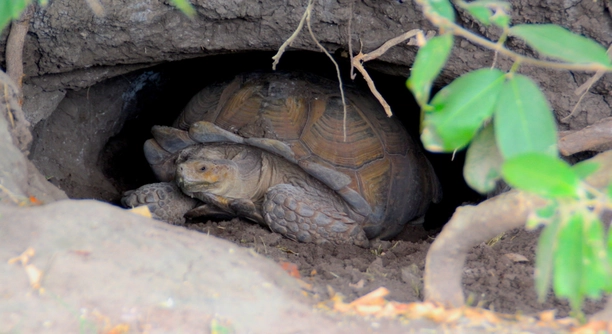
An overheated sulcata tortoise can face serious health problems if not properly cared for. It’s important to recognize the signs of overheating and take steps to keep your pet comfortable and safe.
To cool down an overheated sulcata tortoise, ensure it has access to shaded areas, provide a cooler environment with proper ventilation, and offer water for hydration. Avoid direct sunlight and monitor the temperature regularly to prevent further issues.
Knowing the simple fixes can make all the difference in your tortoise’s well-being. The following steps will guide you in restoring balance and ensuring a healthy, happy pet.
1. Keep Your Tortoise in the Shade
When it comes to your sulcata tortoise, the simplest way to protect it from overheating is by ensuring it always has access to shaded areas. Sulcatas are native to hot environments, but they still need protection from direct sunlight, especially during peak heat hours. Keeping your tortoise in a shaded area not only prevents heat stress but also gives it a chance to cool down when it’s feeling too warm.
You can create a shaded spot by using a large umbrella, a specially designed outdoor shelter, or even a shaded corner of your backyard. Ensure the area is large enough for the tortoise to move around and adjust its position when necessary.
Being able to escape the heat is essential for your sulcata’s well-being. Even in the wild, they seek out shade from larger vegetation, which acts as a natural cooler. Keep this in mind as you build its environment. The key is always providing multiple shaded spots throughout the habitat so it can find relief when needed.
2. Offer a Cool, Ventilated Space
If you’re noticing signs of overheating, you can cool things down by moving your tortoise to a cooler, well-ventilated space.
Ventilation is just as important as shade for your sulcata. A space that has airflow can help lower the temperature and prevent a buildup of heat. You can achieve this by placing your tortoise in a well-ventilated enclosure or room that allows air to circulate.
It’s crucial that the room or shelter isn’t completely enclosed. Air needs to move freely to reduce the chance of stagnant, hot air that can stress out your tortoise. If the weather is warm, try to create a cross breeze by opening windows or using a fan. Don’t forget to keep your sulcata hydrated as well. Sometimes, a simple cooling breeze is all they need to stay comfortable.
3. Provide Fresh Water
Always make sure your sulcata has access to clean, fresh water. This helps keep them hydrated, especially during hot weather. Overheating can lead to dehydration, which can be dangerous.
You can place a shallow water dish inside its habitat or offer water in a small container. Make sure to check the water daily and refill it when necessary. If your tortoise is showing signs of heat stress, encourage it to drink by gently offering water with a spray bottle.
Hydration is one of the easiest ways to help your sulcata stay cool. When they are hydrated, they are better able to regulate their body temperature. Always observe their drinking habits. If your tortoise isn’t drinking, you may need to adjust the temperature or environment further.
4. Avoid Overheating by Monitoring Temperature
It’s important to regularly check the temperature inside your tortoise’s environment. Even small changes in temperature can cause stress.
Use a thermometer to monitor the temperature of your tortoise’s habitat. The ideal temperature should range from 80°F to 90°F, but anything above 95°F can be harmful. Be aware of temperature fluctuations, especially if you live in an area with extreme weather conditions.
Keeping the habitat in a comfortable range prevents overheating and ensures that your tortoise stays safe. It’s also helpful to have a digital thermometer for accurate readings. By staying on top of temperature control, you’ll make sure your sulcata is always in a stable and cool environment.
5. Offer a Cool Bath
A cool bath can help lower your sulcata’s body temperature quickly. Simply fill a shallow tub with lukewarm water and let your tortoise soak for a short period.
Make sure the water is not too cold, as sudden temperature changes can shock your tortoise. A lukewarm bath will help them relax and cool down safely. Don’t leave them in for too long; a few minutes is enough.
After the bath, dry your tortoise gently with a towel and place them back in their shaded area. This can be a quick and effective way to bring their body temperature down.
6. Check for Signs of Overheating
Being aware of your sulcata’s behavior is key to preventing heat stress. Look for signs like excessive panting, lethargy, or difficulty moving.
If your tortoise is acting unusually tired or seems to be hiding more than usual, it could be a sign of overheating. Always check for these changes, as they indicate discomfort and may lead to more severe issues if not addressed quickly.
Monitoring these behaviors allows you to act quickly before your sulcata faces serious health risks. Keep a close eye on them, especially when the weather is hot or after extended sun exposure.
FAQ
What temperature is too hot for a sulcata tortoise?
Temperatures above 95°F can be harmful to a sulcata tortoise. They are native to warm climates, but excessive heat can cause stress, dehydration, and even heat stroke. Always monitor the environment and avoid sudden temperature spikes.
How can I tell if my sulcata is overheated?
Look for signs like panting, lethargy, or excessive hiding. If your tortoise seems unusually tired or unresponsive, it might be overheating. A quick way to check is by feeling their shell—if it feels warm to the touch, they might need to cool down.
Can I leave my sulcata outside during hot weather?
You can leave your sulcata outside as long as they have a shaded area and access to fresh water. However, be mindful of extreme temperatures and avoid leaving them in direct sun for extended periods. During the hottest parts of the day, it’s best to bring them into a cooler space.
How often should I offer water to my sulcata?
It’s important to offer fresh water daily. Tortoises can easily become dehydrated, especially in hot weather. If you notice signs of dehydration, such as dry skin or a lack of energy, increase water availability and consider offering a cool bath.
Is it safe to give my sulcata a cold bath?
No, avoid using cold water. Sudden temperature changes can shock your tortoise. Always use lukewarm water when giving them a bath. This helps them cool down gradually and prevents additional stress on their body.
Can I use fans to cool down my sulcata’s environment?
Yes, fans can help improve airflow and lower the temperature. However, be sure the fan isn’t blowing directly on your tortoise for too long. A good airflow will keep the environment comfortable without creating drafts that may dry them out.
Should I add ice to the water to cool my sulcata?
Adding ice to the water is not recommended. Ice can make the water too cold and shock the tortoise’s system. Stick with room temperature or lukewarm water, which is gentle enough to cool them down without causing harm.
How can I make sure my sulcata stays cool at night?
Even at night, temperatures can rise in some areas. Ensure the nighttime temperature in your tortoise’s habitat is within a comfortable range of 70°F to 80°F. If you live in a hot climate, try using cooling mats or cooling pads designed for reptiles to keep them comfortable while they sleep.
Can I use a heat lamp to keep my sulcata warm in winter?
Yes, a heat lamp can provide warmth during colder months. Just be careful not to make the environment too hot. Set up a safe, regulated basking area where the tortoise can warm up if needed, but always ensure they have cooler areas to retreat to.
What are some signs of heat stroke in a sulcata?
Signs of heat stroke in a sulcata include drooping eyes, difficulty moving, excessive panting, or a loss of balance. If you notice any of these symptoms, immediately move your tortoise to a cooler area and provide water. Heat stroke can be life-threatening if not addressed quickly.
Can I place my sulcata in a refrigerator to cool it down?
No, never place your sulcata in the refrigerator. The drastic temperature change can shock their system and cause further harm. Instead, use natural cooling methods like moving them to a shaded, cooler area and offering a lukewarm bath.
How long can a sulcata tolerate high temperatures?
Sulcatas can tolerate heat for short periods, but prolonged exposure to high temperatures above 95°F can be dangerous. Always monitor the weather and adjust their environment to ensure they stay comfortable and safe, especially during extreme heat waves.
Do sulcata tortoises need special cooling devices?
While not mandatory, some owners use cooling devices like cooling pads or fans to maintain a comfortable environment. These are especially useful in extremely hot climates or if the tortoise’s habitat lacks natural airflow or shade. Always ensure the cooling devices are used safely.
How do I know if my sulcata is comfortable with the temperature?
A comfortable sulcata will be active, eating well, and moving around its enclosure. If the tortoise is constantly hiding, not eating, or seems sluggish, the temperature may need adjustment. Their behavior is a good indicator of how they’re feeling in their environment.
Is it better to cool a sulcata with a fan or a cooling mat?
Both can be effective, but it depends on the situation. A fan helps with airflow, but a cooling mat can provide direct cooling to the tortoise’s body. Consider using both in combination to create a comfortable environment, but ensure the tortoise can escape direct air or cool mats if desired.
What do I do if my sulcata gets too hot too quickly?
If your sulcata is overheated, move it immediately to a cooler area with good ventilation. Offer water and a cool bath if needed. Make sure the environment is suitable for recovery, and monitor for signs of dehydration or stress.
Final Thoughts
Keeping a sulcata tortoise cool is essential for its health and well-being. These tortoises are used to warm climates, but they can still suffer from overheating if exposed to high temperatures for too long. The key is to create an environment where they can move between shaded areas, cool spaces, and have access to fresh water. It’s not just about protecting them from the sun; it’s also about ensuring the overall temperature and airflow are kept within safe limits. A little bit of attention can go a long way in keeping your tortoise comfortable and healthy.
It’s important to regularly monitor both the temperature and your tortoise’s behavior. If they seem unusually lethargic, are panting excessively, or are hiding more than usual, those are signs that the temperature might be too high. A simple adjustment like moving them to a cooler area or providing more shade can help. Additionally, offering a cool bath or a shallow dish of water can be an immediate relief when overheating occurs. Pay close attention to their hydration, as dehydration can quickly become a serious concern. Regular checks on your tortoise will help you catch early signs of heat stress before it becomes dangerous.
Finally, creating a balanced and safe environment for your sulcata tortoise will not only protect it from overheating but also improve its quality of life. Overheating can cause long-term damage if not managed properly, so it’s vital to know how to spot the signs and act quickly. With simple fixes like proper shade, hydration, and temperature monitoring, you can provide a comfortable home for your tortoise, making sure it thrives in a safe and cool environment. Keeping things cool doesn’t have to be complicated, but it does require consistency and attention to detail.

Hello,
If you enjoy the content that we create, please consider saying a "Thank You!" by leaving a tip.
Every little bit helps us continue crafting quality advice that supports the health, happiness, and well-being of pets around the world, for pets of all shapes, sizes, and species.
We really appreciate the kindness and support that you show us!