
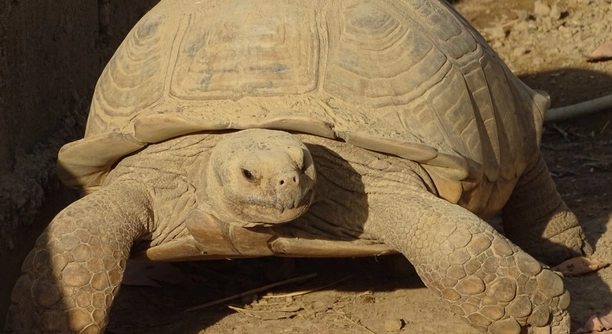
Sulcata tortoises are known for their calm nature and love of space. However, it can be concerning when they frequently hide. If your tortoise seems to be retreating more often than usual, understanding the cause is important.
Hiding behavior in sulcata tortoises is typically a sign of stress, illness, or environmental discomfort. It is essential to check their habitat for proper temperature, humidity, and potential stress factors, ensuring they feel safe and secure.
Addressing these concerns can improve your tortoise’s comfort and health. Understanding the factors behind their behavior can lead to a happier, healthier pet in the long run.
Understanding Your Sulcata Tortoise’s Need for Hiding
Sulcata tortoises are naturally solitary creatures. While it may seem concerning when they retreat to a hidden spot, it’s a behavior rooted in instinct. In the wild, these tortoises often seek shelter to stay cool, conserve moisture, and avoid predators. This hiding behavior is part of their survival mechanism. When your tortoise hides, it may be mimicking this instinct to feel secure in its environment.
Stress is another significant factor influencing hiding behavior. If there are changes in its surroundings, such as new noises, unfamiliar people, or a relocation, your tortoise may feel uneasy and retreat. It’s important to note that they don’t hide for long periods unless something is bothering them.
If your sulcata tortoise consistently seeks out dark corners or burrows, it could be trying to regulate its body temperature. These tortoises require a warm, dry habitat to thrive, and they tend to seek out areas that allow them to feel comfortable and safe. If their environment isn’t meeting their needs, they may hide more often as a coping mechanism.
Temperature and Humidity
The temperature and humidity levels of your tortoise’s habitat can have a major impact on its behavior. If it’s too hot or too cold, they will seek out areas where they feel comfortable. Proper heating is crucial to prevent this.
Sulcata tortoises thrive in warm conditions, but extreme heat or cold will stress them. You’ll want to provide a basking spot of around 100°F and a cooler area around 80°F. Humidity also plays a role. These tortoises need a dry environment, but a slight increase in humidity can be beneficial, especially when they are shedding or becoming dehydrated.
Ensure that your tortoise has access to clean water and is not overheated, as this can lead to a desire to hide. If temperatures are fluctuating too much, your tortoise may instinctively retreat to a cooler area to regulate its body temperature. Monitoring the environment will help reduce unnecessary stress.
Health Issues
Hiding can be a sign that your sulcata tortoise is not feeling well. Illness or injury might cause them to retreat, seeking comfort in a quiet, isolated spot. Watch for signs of lethargy or changes in appetite.
Common health issues in sulcata tortoises include respiratory infections, shell rot, and parasites. A tortoise may hide to avoid stress or because it’s feeling weak. If your tortoise stops eating or seems more withdrawn, it’s essential to have it checked by a veterinarian. Early intervention can help prevent serious complications.
Another possible health issue is dehydration. Sulcata tortoises may hide to avoid movement if they are not receiving enough water. Dehydration can lead to lethargy and hiding behavior. Make sure your tortoise has a consistent water source, and consider soaking it in shallow water to encourage hydration. A healthy tortoise should remain active and engaged with its environment, so any noticeable withdrawal should be addressed promptly.
Environmental Stressors
Sulcata tortoises can also hide as a response to environmental stressors. Changes in their surroundings or discomfort with their habitat can lead them to seek refuge. Constant loud noises or unfamiliar scents might cause anxiety.
The placement of your tortoise’s enclosure is critical. If it’s near a busy area of the house or exposed to sudden changes in temperature, it could cause stress. It’s best to place the enclosure in a quieter part of your home where your tortoise won’t be disturbed. Additionally, sudden changes in light or excessive handling may lead them to retreat to a safe spot.
Take note of any possible sources of stress. If they are too frequent or intense, your tortoise may hide more often. Giving them a consistent, calm environment will help reduce the likelihood of hiding behavior. Consider adjusting their habitat to keep them comfortable and at ease.
Shedding Behavior
During shedding periods, sulcata tortoises may hide to feel more secure. Shedding can be uncomfortable, and the process might make them more sensitive to their environment. They prefer solitude during this time.
It’s normal for tortoises to retreat to darker or more isolated places when shedding. You’ll notice their skin becoming dull, and patches of their scutes may lift. Providing extra humidity during this time can help. You may also notice your tortoise hiding for comfort. It’s part of their natural behavior. Ensuring they have an ideal habitat during shedding can reduce the stress of this process.
Loneliness
Tortoises are solitary by nature. If they don’t have other tortoises or pets to interact with, they might seek isolation more often. This is a normal behavior.
A lack of companionship can lead your sulcata tortoise to hide more often. Even though they are solitary, they still need social interaction to some degree. Ensuring that they have plenty of space to roam and explore can reduce their urge to hide constantly. Regular enrichment, such as new objects or changes in their environment, may also keep them more active.
Enclosure Size and Setup
A small or improperly designed enclosure can contribute to a tortoise’s desire to hide. Sulcata tortoises need ample space to roam, explore, and burrow. An enclosure that’s too small can cause discomfort and stress.
Inadequate space limits their ability to express natural behaviors, leading to stress and hiding. To keep your tortoise happy and healthy, provide an enclosure that is large enough for it to roam freely. This will give them the opportunity to explore and prevent hiding due to lack of space. Adding different textures and hiding spots will help your tortoise feel more at ease.
FAQ
Why is my sulcata tortoise hiding more than usual?
Hiding is a natural behavior for sulcata tortoises, but if it becomes more frequent, it may indicate stress, illness, or environmental discomfort. Check their habitat for proper temperature, humidity, and sufficient space. If the conditions are not optimal, they may retreat to a hidden area to feel safer. If the behavior persists, consider a vet visit to rule out health issues.
How can I tell if my tortoise is stressed?
Stress in a sulcata tortoise can manifest in various ways, such as hiding, loss of appetite, excessive scratching, or lethargy. If your tortoise is hiding frequently and seems withdrawn, it could be due to stress. Common stress factors include loud noises, changes in the environment, or improper temperature. Ensuring a consistent, calm habitat can help reduce these stressors.
How often should I check my tortoise’s habitat?
It’s recommended to check your tortoise’s habitat at least once a week. Look for signs of any changes in temperature or humidity, and make sure that the environment is clean. Also, monitor food and water sources regularly to make sure they are fresh and clean. Keeping a consistent environment is key to your tortoise’s health.
Can temperature changes affect my tortoise’s behavior?
Yes, temperature changes can have a significant impact on your tortoise’s behavior. Sulcata tortoises are sensitive to extreme temperatures. If it’s too hot or too cold, they may hide to regulate their body temperature. Ensure your tortoise has access to a warm basking area and a cooler zone within its enclosure. Temperature fluctuations should be minimal for your tortoise to feel comfortable.
Should I be concerned if my sulcata tortoise isn’t eating?
If your sulcata tortoise isn’t eating, it could be due to stress, illness, or environmental issues such as improper temperature or humidity. If they are hiding and not eating, it’s worth investigating their habitat conditions or considering a visit to the vet. Make sure that their food is fresh and appealing, as they can be picky eaters. Loss of appetite for more than a few days warrants attention.
What is the best way to prevent my tortoise from hiding too much?
Preventing excessive hiding involves maintaining a stable and stress-free environment. Make sure your sulcata tortoise’s enclosure is large enough, provides proper temperature and humidity, and has areas for basking, burrowing, and hiding. Reducing loud noises and changes in the environment also helps. Offering regular enrichment and ensuring they have a balanced diet will keep them active and less likely to hide.
Can I add another tortoise to my sulcata’s enclosure?
Adding another tortoise to your sulcata’s enclosure can be done, but it’s important to consider space and compatibility. Sulcata tortoises are territorial, especially during mating seasons, so introducing another tortoise could cause stress or aggression. If you decide to add one, ensure the enclosure is large enough for both to avoid overcrowding. Monitor their behavior closely to make sure they’re getting along.
How do I know if my tortoise is sick?
Signs of illness in sulcata tortoises include lethargy, loss of appetite, watery eyes, nasal discharge, or a lack of interest in its surroundings. They may also hide more than usual if they’re not feeling well. If your tortoise exhibits any of these symptoms, a visit to the vet is important. Early diagnosis and treatment can prevent more serious health issues.
How much space does a sulcata tortoise need?
Sulcata tortoises require a lot of space to thrive. A minimum of 100 square feet of outdoor space is recommended for adult sulcatas. If housed indoors, their enclosure should be large enough to allow free movement. Providing extra space allows them to roam, dig, and explore, which reduces stress and the urge to hide.
Can humidity affect my tortoise’s health?
Humidity plays a role in your sulcata tortoise’s overall health. While they prefer a dry environment, a small amount of humidity is beneficial, especially during shedding or when they are dehydrated. Too much humidity can cause health problems like respiratory issues or fungal infections. Keeping humidity levels consistent and in the proper range is key to their well-being.
How do I keep my sulcata tortoise hydrated?
Hydration is vital for sulcata tortoises. They may not drink as much as other reptiles, but they absorb water from their food, such as leafy greens. Soaking your tortoise in shallow, lukewarm water for about 20 minutes every few days can help ensure proper hydration. Always provide fresh water in their enclosure and avoid dehydration, especially in hot weather.
Can sulcata tortoises live indoors?
Sulcata tortoises can live indoors, but they need ample space and proper environmental conditions to thrive. Make sure their enclosure has a heat source, UVB lighting, and enough room to roam. Outdoor space is preferred for exercise and natural behavior, but a well-maintained indoor setup can work if it mimics their natural habitat.
What should I feed my sulcata tortoise?
Sulcata tortoises are herbivores, and their diet should consist mainly of grasses, hay, and leafy greens. They can also eat some fruits and vegetables occasionally. Avoid feeding them high-protein foods, as this can lead to health problems. A balanced diet ensures proper growth and helps keep them active and healthy.
Final Thoughts
Understanding why your sulcata tortoise hides is an important step in ensuring its well-being. While occasional hiding is normal for this species, frequent hiding may signal underlying issues. Factors like environmental stress, temperature fluctuations, or even shedding can contribute to this behavior. It’s essential to provide a suitable environment with appropriate space, temperature, and humidity. Regularly monitoring their habitat helps in identifying potential issues before they become more serious problems. Keeping the environment calm and stable will help your tortoise feel secure and reduce the need to hide excessively.
Caring for a sulcata tortoise involves more than just providing food and water. It’s about creating a habitat where they can express natural behaviors, such as roaming and burrowing. A tortoise’s health and happiness are directly linked to the environment you create for them. Hiding can also be a way for your tortoise to cope with discomfort or unfamiliar changes. Small adjustments in their enclosure, diet, or routine can make a big difference. The key is patience and consistency, as sulcata tortoises take time to adapt to changes in their surroundings.
Overall, understanding your sulcata tortoise’s needs is vital for ensuring they live a long and healthy life. By observing their behavior, maintaining an appropriate habitat, and addressing any health concerns promptly, you can prevent unnecessary stress and help them thrive. Keep in mind that each tortoise is unique, and their behavior may vary. Pay close attention to their habits, and don’t hesitate to consult with a veterinarian if you’re ever uncertain. With the right care, your sulcata tortoise will feel comfortable and confident in its environment, leading to fewer hiding moments and a more active life.

Hello,
If you enjoy the content that we create, please consider saying a "Thank You!" by leaving a tip.
Every little bit helps us continue crafting quality advice that supports the health, happiness, and well-being of pets around the world, for pets of all shapes, sizes, and species.
We really appreciate the kindness and support that you show us!