
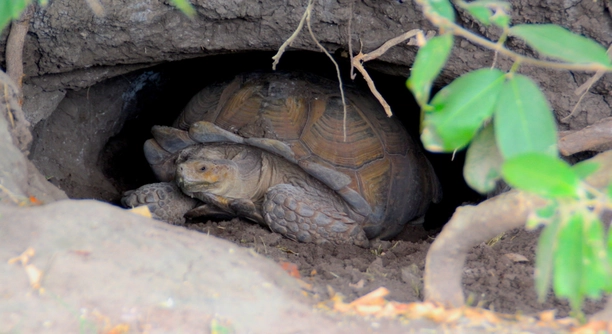
Male and female Sulcata tortoises, though sharing the same species, have distinct characteristics. Understanding these differences can help in properly identifying and caring for them. Their unique traits become more noticeable with age and maturity.
The primary differences between male and female Sulcata tortoises include size, shape, and behavior. Males tend to be smaller with concave plastrons and longer tails, while females are larger with flatter plastrons and shorter tails. Behavioral differences are also evident.
These differences are crucial for any owner looking to distinguish between the two. Recognizing these traits will also help in providing the best care for your Sulcata tortoises.
Size Differences Between Male and Female Sulcata Tortoises
Male Sulcata tortoises are generally smaller than their female counterparts. As adults, males typically reach a size of about 18 to 24 inches in length, whereas females can grow up to 30 inches. The size disparity is noticeable as the males have a more compact frame. This difference is important when housing the two together or during breeding, as males tend to be more active, while females require more space to roam.
Males are more agile and can often be seen moving faster than females. This difference in size also plays a role in their behavior. Female Sulcata tortoises, being larger, tend to exhibit more sedentary behavior, especially during mating season. Understanding this size difference can help with proper care and feeding, ensuring both sexes thrive.
It is essential to provide sufficient space for females due to their larger size. Overcrowding them can cause stress and affect their health, especially when they need a quiet environment to nest. Proper space and suitable environmental conditions ensure that both males and females can live comfortably.
Behavior Differences in Sulcata Tortoises
Male Sulcata tortoises exhibit more aggressive behaviors, particularly during mating season. They may engage in head bobbing, territorial displays, or even attempts to chase other males away. This behavior is not as common in females, who tend to be calmer and more focused on foraging or nesting.
Males also tend to be more vocal, using grunting sounds to assert dominance or communicate with potential mates. Understanding these behaviors can help in creating a peaceful environment for your tortoises. If you’re keeping both sexes, it’s vital to be aware of these differences to avoid unnecessary stress or conflict between them.
While males may act more aggressively, females are typically quieter and more reserved. This difference in behavior is not just about personality but serves an essential function in their survival and reproduction. Proper care, including managing space and providing hiding spots, can reduce any tension between the two.
Tail Length and Shape Differences
Male Sulcata tortoises have longer, thicker tails compared to females. The tail is used for mating purposes and plays a crucial role in reproduction. Males will extend their tails to mate with females, which is a noticeable difference in the two genders.
Females, on the other hand, have shorter, more compact tails that are less noticeable. This difference is not as obvious in younger tortoises, but as they grow older, it becomes easier to distinguish their tails. Understanding this feature is essential for identifying the sex of Sulcata tortoises.
Though the tail difference is subtle, it’s important to observe carefully. The tail plays an important role in behavior, especially during the breeding season when males become more active in trying to attract females. This sexual dimorphism is key for any keeper of Sulcata tortoises.
Plastron Shape Variations
The plastron, or underside of the tortoise, differs significantly between males and females. Males typically have a concave plastron, which helps them mount females during mating. Females, however, have a flatter plastron to accommodate their larger size and provide space for eggs.
The shape of the plastron is one of the easiest ways to differentiate between male and female Sulcata tortoises. A concave plastron is a strong indicator of a male, while a flat plastron points to a female. This distinction becomes more evident as the tortoises mature.
Understanding the plastron shape is helpful for owners in identifying their tortoises. It also serves practical purposes when caring for them, especially during mating. Being able to identify the sex of your Sulcata tortoises based on their plastron can prevent confusion.
Mating Behavior Differences
Male Sulcata tortoises become more aggressive and vocal during mating season. They will chase after females, using head bobbing and grunting to assert dominance. This behavior is a key sign of sexual maturity in males, particularly when they actively pursue a mate.
Females are less aggressive during mating season and are primarily focused on finding suitable nesting spots. Unlike males, they don’t engage in aggressive displays or attempts to chase others away. They tend to be more passive, waiting for males to approach.
This difference in mating behavior is important for managing multiple tortoises in the same environment. Understanding these behaviors can help reduce conflict and ensure that males don’t become too stressed.
Growth Rates Between Males and Females
Males and females also show differences in growth rates. Females tend to grow faster and larger than males, especially as they approach maturity. The larger size of females makes them better equipped to lay eggs, which also influences their growth patterns.
Male Sulcata tortoises, while growing to a decent size, remain smaller compared to females. Their growth rate tends to slow down once they reach sexual maturity, as their energy is focused on mating behaviors rather than growing in size.
Keeping track of their growth patterns can help ensure they are developing healthily. Both males and females require specific diets and environments to thrive. Monitoring their size and health is essential for proper care.
Nesting Behavior of Females
Female Sulcata tortoises exhibit specific nesting behaviors when they are ready to lay eggs. They will often dig a hole in the ground, using their hind legs to scoop out the soil. This is part of their natural instinct to create a safe place for their eggs.
The nesting process is essential for the health of the eggs and the mother. Females may spend a lot of time preparing the nesting site, showing signs of restlessness before laying. Once the eggs are laid, they will cover the hole and move away from the nest.
It’s important to monitor female tortoises during the breeding season to ensure they have a proper environment for nesting. Providing a space with soft soil can help encourage natural behavior, reducing stress and aiding in egg laying.
FAQ
What is the main difference between male and female Sulcata tortoises?
The main differences between male and female Sulcata tortoises are size, tail length, and plastron shape. Males are smaller, have longer tails, and possess a concave plastron, which helps them mount females during mating. Females are larger, have shorter tails, and a flatter plastron for egg laying.
Can I house male and female Sulcata tortoises together?
It is possible to house males and females together, but it requires caution. Males can be more aggressive, particularly during mating season, and may chase or compete with other males. Providing ample space and hiding spots helps minimize stress. Supervision during breeding season is important to ensure the females are not stressed by the males.
How can I tell if my Sulcata tortoise is male or female?
The easiest way to determine the sex of a Sulcata tortoise is by looking at its tail and plastron. Males have longer tails and concave plastrons, while females have shorter tails and flatter plastrons. The size difference also becomes more noticeable as they mature, with females being larger.
Do male Sulcata tortoises grow faster than females?
No, female Sulcata tortoises generally grow faster and larger than males. Females reach a larger size to accommodate egg laying, while males stop growing once they reach sexual maturity. The growth rate of males slows after this point.
Why are male Sulcata tortoises more aggressive?
Male Sulcata tortoises become more aggressive during the breeding season. They engage in head-bobbing, vocalizations, and chase females to assert dominance and attract mates. This behavior is part of their natural mating rituals and is less common in females.
What should I do if my male Sulcata tortoise is too aggressive?
If your male Sulcata tortoise is showing aggression, it’s important to provide him with a spacious, stress-free environment. If possible, separate him from other males during mating season to avoid conflicts. Ensure he has ample room to roam and engage in natural behaviors without excessive competition.
Do female Sulcata tortoises require special care for egg-laying?
Yes, female Sulcata tortoises need a suitable space to lay their eggs. A soft, loose substrate helps them dig the proper nesting hole. If they are unable to find a safe place to nest, they may become stressed. It’s essential to provide an area where they can dig comfortably.
Can a male Sulcata tortoise live alone?
Yes, a male Sulcata tortoise can live alone. While they may exhibit mating behaviors, they don’t necessarily need a mate to live a healthy, happy life. If you do keep multiple tortoises, make sure to separate them as needed, especially during breeding seasons to prevent aggression and stress.
How long do Sulcata tortoises live?
Sulcata tortoises are known for their long lifespans. They can live anywhere from 50 to 150 years in captivity, depending on their care, diet, and environment. It’s important to commit to their long-term care, providing them with the necessary space, food, and health checks throughout their life.
Do male Sulcata tortoises have different diets than females?
Male and female Sulcata tortoises generally eat the same diet, consisting mainly of grasses, hay, and leafy greens. The difference in diet is not tied to their sex but to their age and activity level. If a female is gravid, she may require additional calcium to support egg production.
Why is the tail of a male Sulcata tortoise longer than a female’s?
The longer tail of a male Sulcata tortoise is specifically designed for mating. It allows them to reach the female’s cloaca during reproduction. The tail’s length and thickness are indicators of sexual maturity in males. This adaptation helps in reproduction, ensuring the male can successfully mate with females.
Are Sulcata tortoises territorial?
Male Sulcata tortoises can be territorial, especially during mating season. They may try to assert dominance over other males or their space. While females are generally less territorial, they may defend their nesting sites. Proper space and resources help prevent territorial conflicts in both males and females.
Can I breed my Sulcata tortoises?
Breeding Sulcata tortoises is possible, but it requires careful planning. Ensure both tortoises are of breeding age and in good health. Provide the female with a safe nesting area, and monitor the male to prevent excessive aggression. Breeding should only be considered if you’re prepared for the responsibility of caring for the hatchlings.
How often do Sulcata tortoises mate?
Sulcata tortoises typically mate during the breeding season, which can occur in the spring and summer months. Males are often more active during this time, and mating behavior increases. Outside of the breeding season, Sulcata tortoises are less likely to engage in mating rituals, but they may still display some behaviors year-round.
Can Sulcata tortoises live in cold climates?
No, Sulcata tortoises are native to hot, dry regions and cannot tolerate cold temperatures. They require a warm environment with temperatures between 80-95°F (27-35°C) during the day. If living in a cooler climate, they will need a heated indoor enclosure to maintain proper body temperature year-round.
Final Thoughts
Understanding the differences between male and female Sulcata tortoises is essential for their proper care and management. These differences affect their behavior, size, and overall needs, making it important for owners to recognize and adapt to these variations. From their distinct physical traits, such as the length of the tail and the shape of the plastron, to their growth patterns and mating behaviors, male and female Sulcata tortoises require tailored care. Knowing these differences ensures that both male and female tortoises live healthy, comfortable lives in captivity.
Caring for Sulcata tortoises, whether male or female, involves providing the right environment, diet, and space. While both sexes need a spacious area to roam and access to a proper diet of grasses, hay, and greens, their behavior can change depending on the season. Male tortoises tend to be more active and territorial, especially during mating season. Ensuring that males and females have enough space and resources can prevent stress and aggression, which is important for their well-being. Female tortoises may require a safe, quiet space to lay eggs, so providing them with a soft substrate for digging is crucial.
While managing their behavior and care can seem challenging at times, with the right understanding of their differences, Sulcata tortoises can make wonderful, long-lived pets. Both male and female tortoises can thrive in captivity if given the appropriate environment and attention. They are fascinating creatures with unique behaviors, and observing their daily routines can be an enjoyable experience. By understanding the needs of each sex, you can ensure that your Sulcata tortoises are happy, healthy, and well-cared for.

Hello,
If you enjoy the content that we create, please consider saying a "Thank You!" by leaving a tip.
Every little bit helps us continue crafting quality advice that supports the health, happiness, and well-being of pets around the world, for pets of all shapes, sizes, and species.
We really appreciate the kindness and support that you show us!