
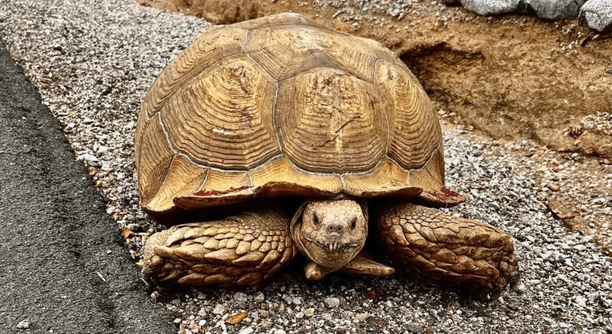
Sulcata tortoises are known for their calm nature, but sometimes they may show signs of anxiety. Identifying these signs early can help ensure their well-being and happiness in their environment. Understanding their behavior is key.
An anxious sulcata tortoise may display various behaviors, including restlessness, aggression, and changes in eating habits. Environmental factors, such as unfamiliar surroundings or insufficient space, can contribute to these signs. Observing these indicators can help address their needs.
Recognizing these behaviors and addressing the causes will improve your sulcata’s comfort. Understanding their stressors helps in creating a more peaceful habitat.
Recognizing Anxiety in Your Sulcata Tortoise
Sulcata tortoises may seem calm, but they can experience anxiety, which can affect their behavior and overall health. Common signs include constant pacing, aggression toward their surroundings, or reluctance to eat. These behaviors often arise from changes in their environment, such as unfamiliar smells, temperature fluctuations, or a lack of adequate space. A stressed tortoise might also withdraw into its shell more often. By understanding these signals, you can take steps to provide a more comfortable habitat. Creating a secure, familiar environment is essential for your sulcata to feel at ease.
While environmental stressors are common, anxiety can also be triggered by inadequate care, such as improper lighting or insufficient diet. Without the right UVB lighting, sulcatas can become stressed or sick. A consistent feeding schedule and access to fresh water are equally important for maintaining their well-being.
A sulcata tortoise thrives when it has a balanced and predictable environment. This means providing the right heat source, UVB light, and enough space for the tortoise to roam and explore. Regular check-ups with a vet will ensure no underlying health issues are contributing to their stress. By addressing these factors, you can create a calming atmosphere for your tortoise.
Environmental Factors Contributing to Anxiety
Sulcata tortoises are sensitive to their environment. Small changes, such as a new pet or different room layout, can cause stress. When you notice a shift in your tortoise’s behavior, check for any recent alterations in its surroundings.
Space and Housing Needs for a Relaxed Tortoise
A sulcata tortoise needs plenty of space to move around comfortably. A small enclosure can make them feel trapped and anxious. Providing a large, secure area with a variety of hiding spots will help them feel safer. This also prevents boredom, which can lead to stress.
Enclosures should be large enough to allow the tortoise to roam freely. The minimum space requirement for a single sulcata is 10×10 feet, but larger is always better. If you can, create an outdoor space where they can graze on grass and soak in natural sunlight. Inside, ensure that the enclosure is well-ventilated and has enough room for them to stretch out fully.
The tortoise’s shell is an important indicator of their comfort. A cramped space can restrict movement, causing physical and mental strain. Pay attention to signs like pacing, as it often indicates that the tortoise feels confined. Make sure the living area offers enough freedom and variety to reduce stress.
Temperature and Humidity Control
Temperature plays a crucial role in your sulcata’s well-being. An environment that’s too hot or too cold can make them anxious. You should have a heat source that maintains a consistent temperature range between 80 and 95°F during the day. At night, it should cool down to about 70°F.
Humidity is also vital for a sulcata tortoise, though not as much as for other species. However, it’s important to keep the humidity levels between 30-50% to prevent respiratory problems. If the air is too dry, the tortoise can become stressed, which impacts its health. Using a humidity gauge can help you monitor the levels in the enclosure.
In addition to temperature and humidity, consider the overall lighting. UVB lighting is essential for calcium absorption and the overall health of your tortoise. Without proper light, sulcatas can become sluggish, stressed, and even suffer from shell deformities. Keep lighting consistent throughout the day to ensure their comfort.
Diet and Its Impact on Anxiety
Sulcata tortoises need a balanced diet rich in fiber. A lack of proper nutrition can cause stress and make them more vulnerable to health issues. Offering a variety of grasses, hay, and some leafy greens is important for maintaining their energy and well-being.
Feeding your sulcata a diet that’s too high in protein or fat can contribute to obesity, which leads to further discomfort and stress. Stick to a mostly herbivorous diet, avoiding high-protein foods like animal-based products. Fresh water should always be available to prevent dehydration, which can also cause stress.
Handling and Socialization
While sulcata tortoises are generally solitary, they can become anxious if handled too frequently or improperly. It’s important to give them space and let them come to you. Forcing interaction or overhandling can increase their stress levels.
When handling your tortoise, always be gentle and slow. Sudden movements can frighten them, causing them to retreat into their shell. Allowing your sulcata to explore its surroundings at its own pace will help build trust and reduce feelings of anxiety.
FAQ
What are common signs that my sulcata tortoise is anxious?
An anxious sulcata tortoise may exhibit signs like restlessness, frequent pacing, and hiding more than usual. A change in their eating habits, such as loss of appetite, is also a sign of stress. If they are becoming aggressive or withdrawn, it’s important to address the factors contributing to their anxiety. Keep an eye on their behavior, and if it persists, investigate potential environmental or health-related causes.
How can I reduce stress for my sulcata tortoise?
Providing a spacious, safe environment with proper heating, lighting, and humidity will help reduce stress. Ensure their enclosure is large enough for them to roam and feel secure. Regularly change out bedding, and provide hiding spots for comfort. If you’re keeping your tortoise outside, make sure the area is free from sudden noises or disturbances that could cause anxiety. It’s also important to offer a proper diet, as inadequate nutrition can also lead to stress.
Does temperature affect my sulcata tortoise’s anxiety?
Yes, temperature can greatly affect your sulcata tortoise’s well-being. If the environment is too hot or too cold, it can lead to anxiety. Your tortoise needs a consistent temperature range of 80 to 95°F during the day. At night, the temperature should cool to around 70°F. If temperatures are not ideal, your sulcata can become stressed, leading to behavioral changes and health issues. Invest in a reliable heat source and thermostat to ensure the proper environment.
What should I feed my sulcata tortoise to reduce anxiety?
A proper diet is crucial in preventing anxiety. Sulcata tortoises require a high-fiber, low-protein diet that mainly consists of grasses, hay, and leafy greens. Avoid feeding them too much fruit or high-protein foods, as this can cause weight gain and discomfort. Additionally, make sure fresh water is always available, as dehydration can also lead to stress. Providing variety in their food can help keep them mentally stimulated and reduce boredom.
Is it normal for my sulcata tortoise to hide when it’s anxious?
Yes, it’s normal for a sulcata tortoise to hide when feeling anxious or stressed. They often retreat into their shell as a way to protect themselves from perceived threats. If your tortoise hides more frequently than usual, it may be an indication that something in its environment is causing it distress. Ensure there are no sudden changes or disturbances in their living space, and check that they have plenty of hiding spots to feel secure.
Can handling my sulcata tortoise cause anxiety?
Overhandling can lead to anxiety, as sulcata tortoises generally prefer minimal interaction. They are solitary animals and may become stressed when frequently handled or approached too quickly. Always handle them gently and for short periods, allowing them to explore at their own pace. If they appear stressed or withdraw into their shell, give them space and try again later. The key is to avoid overwhelming them with too much physical contact.
How much space does my sulcata tortoise need to feel comfortable?
Sulcata tortoises need a spacious area to feel at ease. The minimum recommended enclosure size for a single sulcata is 10×10 feet. A larger enclosure is ideal, as it allows the tortoise to roam freely and reduce stress. If you’re keeping your tortoise outdoors, create a secure, spacious environment where they can graze on grass and bask in the sun. A cramped environment can lead to anxiety and frustration, so ensure they have enough room to move around comfortably.
Can environmental changes cause anxiety in my sulcata tortoise?
Yes, environmental changes are a common cause of anxiety in sulcata tortoises. They are sensitive to changes in their habitat, such as new smells, unfamiliar objects, or even new animals. If you’ve recently moved your tortoise or made changes to their enclosure, it may take some time for them to adjust. Try to keep their environment as consistent as possible and avoid introducing new elements suddenly. If you must make changes, do so gradually to minimize stress.
What are the signs that my sulcata tortoise is unhealthy?
In addition to signs of anxiety, sulcata tortoises may show other signs of illness, such as a loss of appetite, lethargy, or abnormal breathing. If you notice a change in their shell appearance, such as soft spots or discoloration, this could indicate health issues. Consistently observe their behavior and physical condition. If symptoms persist or worsen, take your tortoise to a veterinarian experienced with reptiles for a thorough examination.
How can I create a stress-free environment for my sulcata tortoise?
A stress-free environment for your sulcata tortoise involves providing a stable and predictable habitat. Ensure that their enclosure has proper heating, UVB lighting, and humidity levels. Include hiding spots and objects that encourage natural behaviors, such as climbing and digging. Minimize noise and sudden changes, and ensure their diet is balanced. Regularly clean their enclosure and remove any waste to maintain a clean and safe space.
Final Thoughts
Understanding your sulcata tortoise’s anxiety is essential for providing the best care possible. By recognizing the signs of stress and taking steps to address the factors contributing to their anxiety, you can create a more comfortable environment for them. Tortoises, like any other pet, rely on their surroundings to feel safe and secure. Maintaining a stable environment with proper temperature, humidity, and diet can help reduce anxiety and promote better health. Small changes in their habitat or routine can make a big difference in how they respond to their surroundings.
It’s important to remember that every sulcata tortoise is different. While some may adapt to their environment quickly, others might require more time and patience. Being observant and proactive in identifying signs of stress will help you make the necessary adjustments to ensure your tortoise feels at ease. Regular monitoring of their behavior, diet, and overall health will give you a clear picture of their well-being. It’s always best to make gradual changes, as sudden shifts can lead to heightened anxiety in many tortoises.
Overall, creating a calm, secure space for your sulcata tortoise will benefit both their mental and physical health. With the right care, your tortoise can thrive in their home and live a long, healthy life. Ensuring they have the proper diet, environment, and handling routine will go a long way in reducing stress and promoting a sense of comfort. Keeping a consistent routine and observing their behavior will help you understand what works best for your tortoise, making it easier to address their needs and support their well-being.

Hello,
If you enjoy the content that we create, please consider saying a "Thank You!" by leaving a tip.
Every little bit helps us continue crafting quality advice that supports the health, happiness, and well-being of pets around the world, for pets of all shapes, sizes, and species.
We really appreciate the kindness and support that you show us!