
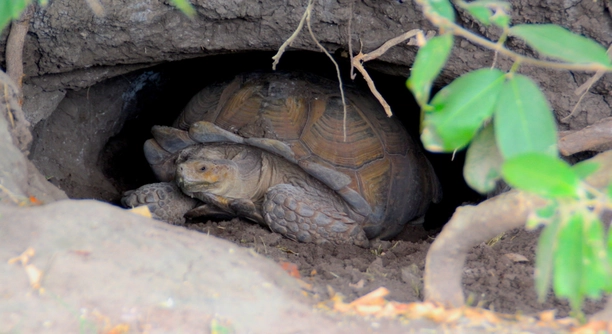
As the colder months approach, keeping your sulcata tortoise warm becomes essential for their health and well-being. These reptiles, native to warmer climates, require extra care during winter to maintain optimal body temperature.
One of the most effective ways to keep your sulcata tortoise warm is by providing a heated enclosure. This ensures they have a consistent temperature to stay active and healthy. Use heat lamps or ceramic heaters for warmth, and monitor temperature carefully.
Understanding these tips will help ensure your sulcata tortoise remains safe and comfortable throughout the winter months.
Use a Heated Enclosure
Keeping your sulcata tortoise in a heated enclosure is the most reliable way to ensure they stay warm in winter. These tortoises require a temperature range of 75°F to 85°F during the day, with a slight drop at night. You can set up a large enclosure, whether indoors or in a greenhouse, with a heat source such as a heat lamp or ceramic heater. Make sure the heating element is placed out of direct reach of your tortoise to avoid burns. Along with heating, the enclosure should have enough space for the tortoise to move around and stay active. The use of a thermostat is recommended to regulate the temperature and maintain consistency. You can also use a temperature gun to check different areas of the enclosure to ensure proper warmth. The goal is to replicate the conditions your sulcata tortoise would experience in the wild, without the extreme temperatures of their natural habitat.
A heated enclosure will also offer protection from drafts and cold air, providing a safe environment where your tortoise can thrive.
Another consideration is humidity. While sulcata tortoises prefer dry conditions, they still need access to a source of fresh water. This will help them maintain proper hydration even when the air is dry.
Use a Heating Pad
A heating pad placed under your sulcata tortoise’s enclosure floor is an effective way to maintain warmth. It provides consistent, gentle heat that mimics natural ground warmth. Be sure to use a pad designed for reptiles, as it will have proper temperature controls. Place the pad on the enclosure’s underside to avoid direct contact with the tortoise.
The heating pad can be used alongside a heat lamp to create a well-balanced environment. Keep in mind that a heated pad will provide warmth to the substrate, which is where your tortoise spends much of its time. Monitoring the substrate’s temperature is key to ensuring your tortoise stays warm and comfortable.
It’s important to avoid overheating the enclosure, as this can lead to excessive dryness. By combining a heating pad with a humidity-controlled environment, you’ll be able to keep your sulcata tortoise warm while maintaining optimal conditions. Regular checks on the heat pad will ensure it is working properly throughout the winter months.
Provide a Warm Hiding Spot
Sulcata tortoises appreciate having a warm, quiet spot where they can retreat. A warm hiding area, such as a cave or box, will give them a sense of security. This allows them to retreat from the heat if they feel too warm or simply need some privacy.
Place the hiding spot in a corner of the enclosure, away from direct heat sources. Ensure it’s large enough for the tortoise to move comfortably but small enough to maintain the warmth. You can line it with soft, absorbent bedding to keep the area dry and cozy.
Use a Ceramic Heater
A ceramic heater is an excellent heat source for your sulcata tortoise. Unlike heat lamps, they don’t emit light, which is beneficial for maintaining the natural day-night cycle. These heaters provide steady, radiant heat that warms the surrounding air. Use them in combination with other heat sources for best results. Ensure the heater is properly positioned within the enclosure and has a thermostat to prevent overheating.
By using a ceramic heater, your sulcata tortoise will benefit from a more consistent and natural warmth. Monitor the temperature regularly to make sure the environment remains within the appropriate range.
FAQ
How can I tell if my sulcata tortoise is too cold?
If your sulcata tortoise is too cold, it will likely become sluggish and inactive. You might notice it retreating into its shell more often or moving less frequently. A lack of appetite and reluctance to bask under heat lamps are also signs of low temperatures. If the tortoise starts to breathe heavily or exhibits signs of a respiratory infection, it’s crucial to check the enclosure’s temperature immediately. A consistent temperature is essential for your tortoise’s health.
Can I use a space heater for my sulcata tortoise’s enclosure?
While space heaters can provide warmth, they are not ideal for a sulcata tortoise’s enclosure. They can dry out the air too much and might not offer the consistent heat necessary for your tortoise’s well-being. A more controlled heat source like a heat lamp or ceramic heater is a better option. These devices allow you to maintain the right temperature without affecting humidity levels drastically.
What temperature is best for a sulcata tortoise during winter?
During winter, the ideal temperature for your sulcata tortoise should range from 75°F to 85°F during the day. At night, the temperature can safely drop to around 70°F but should never fall below 60°F. Keeping the enclosure within this temperature range ensures your tortoise can stay active and healthy throughout the colder months. Always monitor the temperature with a reliable thermometer and adjust your heat sources accordingly.
Should I still feed my sulcata tortoise in winter?
Yes, you should continue to feed your sulcata tortoise in winter, but you may notice that it eats less. Tortoises typically slow down during colder months, and their metabolism also decreases. However, they still need proper nutrition. Stick to a high-fiber, low-protein diet with hay, grasses, and safe vegetables. Avoid overfeeding and make sure fresh water is always available.
Can I let my sulcata tortoise outside in the winter?
It’s not safe to let your sulcata tortoise outside during winter unless you live in a consistently warm climate. These tortoises are native to desert areas and cannot tolerate freezing temperatures. If it’s too cold for you to comfortably be outside, it’s too cold for your tortoise. If you do let them outside during warmer winter days, make sure they are supervised and can retreat to a warm indoor space if the temperature drops.
What should I do if my sulcata tortoise’s shell is soft?
A soft shell in a sulcata tortoise can be a sign of improper diet or lack of calcium. Make sure your tortoise has access to a calcium supplement, either in its food or through a calcium block. Ensure the diet is well-balanced, rich in fiber, and includes appropriate greens. If the shell softness continues, consider consulting a veterinarian to rule out any underlying health issues.
Can I use a heat rock for my sulcata tortoise?
Heat rocks are not recommended for sulcata tortoises, as they can pose a risk of overheating. These rocks can become too hot and cause burns or other injuries to your tortoise. It’s safer to use a heat lamp or ceramic heater to regulate temperature more effectively. If you do use a heat rock, ensure it has a thermostat to monitor and control the temperature.
How do I keep my sulcata tortoise’s humidity levels right in winter?
Keeping the right humidity levels is important for your sulcata tortoise’s health, particularly during winter when the air tends to be drier. You can maintain the right humidity by using a shallow water dish in the enclosure and occasionally misting the environment. It’s essential not to make the enclosure too humid, as sulcata tortoises prefer drier conditions. Aim for humidity around 30% to 50%. A humidity gauge can help monitor levels, and ventilation is also key to avoid excess moisture buildup.
What type of bedding should I use in the winter for my sulcata tortoise?
For winter, use bedding that holds heat but doesn’t retain too much moisture. Substrate options like aspen shavings, coconut coir, or dry hay are ideal for keeping your tortoise comfortable. Avoid using sand, as it can make the environment too dry and difficult to clean. Regularly change the bedding to prevent the buildup of waste and bacteria. Keep the bedding dry to maintain proper humidity levels and prevent respiratory issues.
How can I prevent my sulcata tortoise from getting sick in winter?
To keep your sulcata tortoise healthy during winter, maintain a consistent and proper temperature range, provide the right diet, and ensure a clean environment. Make sure the heating elements are working properly and never let the enclosure get too cold. Avoid drafts, as they can quickly lower the temperature and compromise your tortoise’s immune system. Regularly monitor your tortoise’s behavior for signs of illness, such as lack of appetite, difficulty moving, or respiratory issues, and consult a vet if needed.
Final Thoughts
Maintaining the right temperature for a sulcata tortoise during winter is crucial for its overall health and well-being. These tortoises, native to warm, dry regions, cannot tolerate cold temperatures for extended periods. By providing consistent heat through heating pads, lamps, and ceramic heaters, you can create an environment that mimics their natural habitat. This is essential for their digestion, activity, and overall comfort. It’s also important to monitor the temperature and humidity levels regularly to ensure the enclosure remains stable and within the ideal range for your tortoise.
In addition to heat, other aspects of care should be considered to support your sulcata tortoise during the colder months. Providing a warm hiding spot, using the right bedding, and ensuring a balanced diet will help your tortoise remain healthy. As their metabolism slows in the winter, it’s common for them to eat less, but it’s still important to offer them fresh food and water. Make sure the tortoise has access to calcium and fiber-rich foods to support shell and bone health. These practices, combined with the right heating and humidity conditions, will promote a stress-free and healthy winter for your tortoise.
Lastly, regular monitoring and adjustments are key to successfully caring for a sulcata tortoise in winter. Whether it’s checking the temperature, changing the bedding, or adjusting the food, staying vigilant will ensure your tortoise stays comfortable and safe. Taking the time to learn about your tortoise’s needs during this time will help prevent illness and ensure its long-term health. With proper care, your sulcata tortoise can thrive during the colder months and remain an active and healthy companion.

Hello,
If you enjoy the content that we create, please consider saying a "Thank You!" by leaving a tip.
Every little bit helps us continue crafting quality advice that supports the health, happiness, and well-being of pets around the world, for pets of all shapes, sizes, and species.
We really appreciate the kindness and support that you show us!