
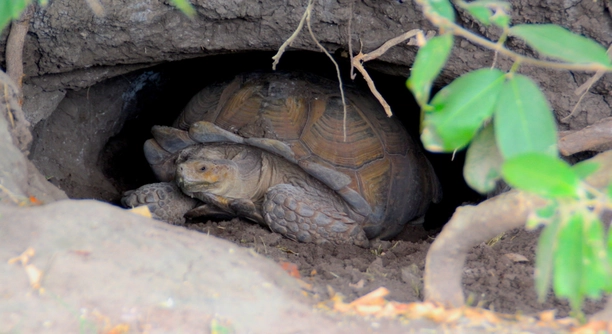
Sulcata tortoises are fascinating creatures, and their diet is an important part of their care. As a pet owner, you may be curious about which foods are safe for them to eat.
Sulcata tortoises can eat bell peppers in moderation. While peppers are not toxic to them, they should be given as an occasional treat and not as a staple of their diet. Too much can upset their digestive system.
Bell peppers can offer some nutritional benefits for your tortoise, but it is important to balance them with other healthy foods.
Nutritional Value of Bell Peppers for Sulcata Tortoises
Bell peppers are a colorful, nutrient-packed food option for Sulcata tortoises. They are rich in vitamins like vitamin C, which supports the immune system, and vitamin A, important for vision and skin health. Additionally, they contain antioxidants that help fight off free radicals and support overall well-being. Bell peppers also have a good amount of water, which helps keep your tortoise hydrated, especially in dry conditions. However, they are relatively low in fiber compared to other foods like leafy greens, which means they should not make up a large portion of the diet.
While bell peppers can be beneficial in small amounts, they should not be the primary food source for a Sulcata tortoise. It is important to offer a varied diet that includes a wide range of vegetables, grasses, and safe plants. Too many peppers may lead to digestive issues like diarrhea or an upset stomach. Therefore, you should ensure peppers are offered as a treat rather than a staple.
It’s also crucial to feed peppers in moderation, as they are higher in sugar compared to other tortoise-safe vegetables. This means that excessive consumption could lead to an imbalance in your tortoise’s diet, potentially affecting their health in the long run. Avoid giving your tortoise peppers with seeds or stems, as they can be harder to digest. For safe feeding, cut the peppers into small, manageable pieces.
How Often Should You Feed Bell Peppers?
Bell peppers can be given to Sulcata tortoises every couple of weeks.
Providing them as an occasional treat ensures they get the benefits of the peppers without overwhelming their digestive system.
Potential Risks of Feeding Bell Peppers to Sulcata Tortoises
While bell peppers are not toxic to Sulcata tortoises, they come with some risks. Feeding them too often can cause an upset stomach or diarrhea.
Peppers are high in water content, which is great for hydration but can cause issues if overfed. When combined with other watery vegetables, they can create a high-moisture diet that might disrupt your tortoise’s digestion. As Sulcata tortoises thrive on a dry, high-fiber diet, too many watery foods may reduce the effectiveness of their digestion.
Additionally, bell peppers are relatively high in sugar, which is not ideal for a tortoise’s diet. Too much sugar can cause weight gain and may interfere with the balance of nutrients your tortoise needs for healthy growth.
How to Safely Prepare Bell Peppers for Your Tortoise
Before feeding bell peppers to your Sulcata tortoise, make sure to remove all seeds and stems.
Cutting the pepper into small, manageable pieces ensures your tortoise can easily eat and digest it. Always wash the pepper thoroughly to remove any pesticides or chemicals, as these can harm your pet. Even though bell peppers are considered safe in moderation, any vegetable or fruit that is not prepared properly can cause harm to your tortoise. The small size of the pieces helps prevent choking or difficulty chewing, making it easier for them to enjoy safely.
Alternatives to Bell Peppers for Sulcata Tortoises
If you want to vary your tortoise’s diet, there are plenty of other safe vegetables to offer.
Leafy greens like collard greens, dandelion greens, and mustard greens are excellent alternatives. These provide more fiber and are much more suitable for digestion. You can also try offering them cactus pads or grasses like timothy hay, which are more natural to their diet.
How to Recognize Overfeeding in Your Tortoise
Overfeeding bell peppers can lead to digestive problems like diarrhea or bloating.
If your tortoise shows signs of weight gain, lethargy, or diarrhea after eating bell peppers, it’s a clear sign they’ve had too many. Always keep an eye on their overall health and adjust portions accordingly.
FAQ
Can Sulcata tortoises eat red bell peppers?
Yes, Sulcata tortoises can eat red bell peppers. The color of the bell pepper doesn’t change its suitability for tortoises. Red peppers actually contain higher levels of vitamin C compared to green ones, which can be beneficial. However, they should still be offered in moderation and as part of a balanced diet. The key is to not make bell peppers a daily food but rather an occasional treat to enhance your tortoise’s diet with extra vitamins.
Can Sulcata tortoises eat yellow or orange bell peppers?
Like red bell peppers, yellow and orange bell peppers are safe for Sulcata tortoises. These peppers also provide a good amount of vitamins and antioxidants. The different colors just offer a variety in terms of flavor and nutrients. As always, feed them in small amounts to avoid any digestive upset, and ensure their diet remains mostly high in fiber and low in sugars.
Are bell peppers good for Sulcata tortoises?
Bell peppers can offer nutritional benefits, including vitamins like C and A, which support immunity and vision. They also provide hydration due to their high water content. However, they lack the fiber necessary for a Sulcata tortoise’s digestive system. While they can be good in moderation, it’s important not to rely on them as a main food source.
How often can I feed my Sulcata tortoise bell peppers?
Bell peppers should be offered sparingly, about once every 2 weeks. Too much bell pepper, even though it’s not toxic, can disrupt your tortoise’s digestion and overall health. They can be a nice treat, but variety is key to maintaining a balanced diet for your tortoise.
What vegetables should I feed my Sulcata tortoise regularly?
A Sulcata tortoise’s diet should mainly consist of high-fiber vegetables, such as dandelion greens, collard greens, kale, and mustard greens. Grasses like timothy hay are essential, as they mimic the tortoise’s natural diet. Leafy greens should make up most of their meals, with an occasional supplement of vegetables like bell peppers or squash to add variety.
Can Sulcata tortoises eat other fruits and vegetables?
Yes, Sulcata tortoises can eat a variety of fruits and vegetables, but they should only make up about 10-20% of their diet. Safe fruits include strawberries, melon, and apple, but these should be fed in smaller quantities due to their higher sugar content. Avoid feeding them citrus fruits, as they can upset their digestive systems.
Are bell peppers toxic to Sulcata tortoises?
No, bell peppers are not toxic to Sulcata tortoises. They are safe to eat in moderation. However, overfeeding bell peppers can cause digestive issues like diarrhea due to the high water and sugar content. Always offer them as an occasional treat, not as a staple.
Can I feed my Sulcata tortoise the seeds of bell peppers?
It’s best to remove the seeds from bell peppers before offering them to your Sulcata tortoise. While the seeds are not toxic, they can be difficult for your tortoise to digest, leading to potential stomach discomfort. Cutting the peppers into small pieces and removing seeds makes them safer and easier for your tortoise to eat.
Is it okay to feed bell peppers to a baby Sulcata tortoise?
It is fine to feed bell peppers to a baby Sulcata tortoise, but you should still limit them to occasional treats. Baby tortoises have delicate digestive systems, so providing a variety of high-fiber greens like dandelion and clover should be prioritized. Bell peppers should not be a regular part of their diet.
How do I know if my Sulcata tortoise is eating enough fiber?
If your tortoise is not getting enough fiber, it may experience issues like constipation or a loss of appetite. The best way to ensure they are consuming enough fiber is by providing a variety of leafy greens and grasses. These should make up the bulk of their diet, and you can monitor their stool to ensure it is firm and consistent. If you notice any signs of digestive problems, consult a vet to adjust their diet.
Can Sulcata tortoises eat cooked bell peppers?
It is better to feed your Sulcata tortoise raw bell peppers. Cooked vegetables lose many of their nutrients and may not be as beneficial. The high heat can break down essential vitamins, making them less nutritious. Raw bell peppers are the best option for retaining their full nutritional value.
How should I store bell peppers for my Sulcata tortoise?
Bell peppers should be stored in a cool, dry place, preferably in the refrigerator to maintain freshness. Always wash the pepper thoroughly before feeding it to your tortoise. If you have leftovers, you can store them in an airtight container in the fridge for up to a few days. Make sure to cut any remaining pepper into smaller pieces to avoid wasting food.
Can I mix bell peppers with other vegetables for my tortoise?
Yes, you can mix bell peppers with other tortoise-friendly vegetables, but make sure to keep the proportions balanced. Pair them with high-fiber greens like kale, collard greens, or dandelion leaves. Mixing vegetables gives your tortoise a more varied diet, but be cautious not to overdo the sweet, watery vegetables like bell peppers.
Can Sulcata tortoises eat bell pepper stems?
It’s best not to feed your Sulcata tortoise bell pepper stems. While not toxic, the stems are fibrous and tough to digest, which can lead to gastrointestinal issues. Always remove the stems before offering any part of the pepper to your tortoise. Stick to the flesh of the pepper to ensure ease of digestion.
Final Thoughts
Bell peppers can be a healthy addition to a Sulcata tortoise’s diet when given in moderation. They offer useful vitamins and hydration, which can benefit your tortoise’s overall health. However, they should not make up the main part of their diet. Instead, focus on offering high-fiber greens, grasses, and other vegetables that are more suited to their digestive needs. This balance is essential for keeping your tortoise healthy and active.
Overfeeding bell peppers can lead to digestive issues such as diarrhea, and the high sugar content can cause weight gain or upset the nutrient balance in their diet. To avoid these risks, feed them bell peppers only as a treat, and be sure to cut the peppers into small, manageable pieces. Always remove the seeds and stems to make the peppers easier to digest. Washing the vegetables thoroughly before feeding them is also a good practice to remove any pesticides or harmful chemicals.
Ultimately, a varied and well-balanced diet is key to the health of your Sulcata tortoise. Bell peppers can be part of that variety but should be offered alongside other vegetables that provide more fiber and nutrients. By following these guidelines, you can ensure that your tortoise enjoys a safe, nutritious diet that supports its long-term health and happiness.

Hello,
If you enjoy the content that we create, please consider saying a "Thank You!" by leaving a tip.
Every little bit helps us continue crafting quality advice that supports the health, happiness, and well-being of pets around the world, for pets of all shapes, sizes, and species.
We really appreciate the kindness and support that you show us!