
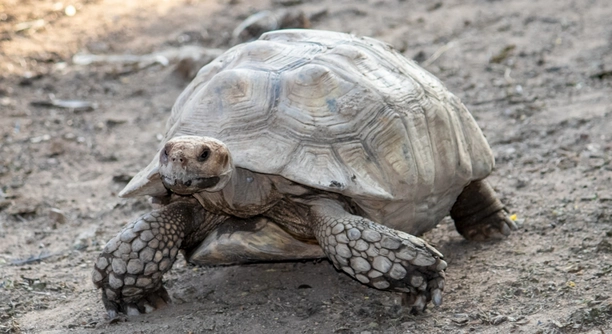
Introducing a new Sulcata tortoise to your home can be an exciting experience, but it requires careful planning. These tortoises need special care and attention to thrive in their new environment.
To safely introduce a Sulcata tortoise to your home, start by setting up a proper enclosure that mimics its natural habitat. Ensure the enclosure has the right temperature, humidity, and space to accommodate its growth. Gradually allow the tortoise to adjust to its new surroundings.
Creating a comfortable environment is key to helping your new tortoise feel at home. Knowing how to set things up will ensure a smoother transition for your new pet.
Preparing the Right Environment
When bringing a Sulcata tortoise home, the first step is creating an ideal environment. Sulcatas are native to warm, dry areas, so it’s important to replicate that as closely as possible. Set up a spacious enclosure with enough room for your tortoise to roam. Use a large, secure tank or outdoor pen with thick walls to keep them safe.
The enclosure should have access to natural sunlight or UVB lighting to help with calcium absorption. Make sure the temperature stays around 85-95°F during the day, with a cooler area for nighttime. The substrate should be something like hay, straw, or cypress mulch, which allows your tortoise to dig and burrow. Don’t forget to add a shallow water dish to keep your tortoise hydrated.
Getting the environment right from the start ensures that your tortoise will have everything it needs to feel comfortable and safe. This is one of the most crucial parts of a successful introduction. If you rush through this, your tortoise might not thrive.
Introducing Your Sulcata to its New Home
Once the environment is ready, it’s time to introduce your tortoise to its new space. Start by placing it in the enclosure, giving it some time to explore without too much interference.
Sulcata tortoises are generally calm, but they can be a little shy and may retreat into their shells when they feel threatened. Allow your new pet time to adjust to the new surroundings at its own pace. It’s important to avoid overwhelming it with too much handling or stress during this initial period. Gradually, it will become more comfortable with its new home.
Over the next few days, observe how your tortoise behaves. Look for signs of comfort, like moving around, exploring, or eating. Avoid making changes too soon, as this can disrupt its settling-in process. Once your tortoise has gotten used to the new space, you can begin interacting more.
Diet and Nutrition
Sulcata tortoises are herbivores, so their diet needs to consist of high-fiber plants. Offering fresh grasses, weeds, and leafy greens like dandelion, clover, and collard greens is key. Avoid high-protein foods as they can cause health issues over time.
You can also supplement their diet with occasional treats such as cactus pads or fruit in small amounts. Ensure they have access to fresh water at all times, and monitor their eating habits to make sure they’re getting enough nutrition. Keep in mind, overfeeding can lead to obesity, so portion control is important.
Don’t forget that calcium is important for shell development and overall health. Providing calcium-rich foods or a calcium supplement will support your tortoise’s bone and shell growth. Proper nutrition will make sure your Sulcata thrives and avoids common health issues like metabolic bone disease.
Monitoring Behavior
It’s important to watch your Sulcata’s behavior closely as it adjusts to its new home. In the early stages, your tortoise might seem a bit withdrawn, but this is normal. You’ll likely notice it exploring and sometimes hiding.
If your tortoise isn’t moving much or showing little interest in food, it could be a sign of stress or illness. Regularly check for signs of dehydration, such as dry or sunken eyes, and keep the enclosure temperature steady to avoid stress. In general, a healthy tortoise should be active, eating well, and have a smooth, firm shell.
On the other hand, if your tortoise is roaming around, eating, and showing curiosity, that’s a positive sign it’s adjusting. Monitoring its behavior over time ensures you can catch any potential problems early and address them before they become more serious.
Shell Care
Maintaining the health of your Sulcata’s shell is essential. Keep an eye out for any cracks or soft spots, which could be signs of a health issue. Regular soaking can help keep its shell hydrated and support healthy growth.
The best way to prevent shell problems is to ensure your tortoise gets enough calcium and UVB light. Avoid letting your tortoise stay in moist, dirty conditions as this can lead to shell rot. A clean and dry environment combined with proper diet and sunlight will help maintain a strong, healthy shell.
Regular shell care is simple but crucial for your Sulcata’s long-term health. You can also gently clean the shell with a soft brush to remove any dirt or debris that may build up over time.
Enclosure Size and Space
Sulcata tortoises grow large, and they need plenty of space to roam. An outdoor pen or large indoor enclosure is necessary to keep them comfortable and active. Their enclosure should be at least 10-12 feet long.
Allowing your Sulcata enough room to move freely will help it stay active and prevent stress. If you’re keeping it indoors, make sure it has a secure, well-ventilated space with enough area for climbing and digging. Outdoors, a fenced area works well, but ensure it’s secure enough to prevent escape.
Creating the right space allows your tortoise to thrive and feel at home. This is vital for its well-being and will help keep it active and healthy.
Handling Your Sulcata
Handling your Sulcata should be kept to a minimum, especially during the first few weeks. It’s important to allow your tortoise to adjust to its new environment before introducing much handling. When you do need to handle it, be gentle.
Pick up your tortoise carefully, supporting its body and legs. Never pick it up by its shell or tail. Avoid holding it too long, as this can cause stress. It’s best to let your tortoise approach you on its own terms. Patience is key during this period, as forcing interactions can lead to fear or discomfort.
FAQ
How much space does a Sulcata tortoise need?
A Sulcata tortoise requires a lot of space as it grows quite large. For indoor enclosures, a minimum of 10-12 feet is recommended, but more space is always better. Outdoors, they need an enclosed area that is securely fenced to prevent escape. The larger the space, the more active and comfortable your tortoise will be.
Can I keep my Sulcata tortoise indoors?
Yes, Sulcata tortoises can be kept indoors, but they need a large space with access to UVB lighting and a proper heat source. The enclosure must be large enough for them to move around freely and should be well-ventilated. You’ll also need to monitor the humidity and temperature closely to ensure it stays within the right range.
What temperature should I maintain for my Sulcata tortoise?
Sulcata tortoises thrive in warm temperatures. The daytime temperature should be between 85-95°F, with a cooler area of about 70-75°F. At night, the temperature can drop to around 65-75°F. To maintain these temperatures, you’ll need heat lamps or ceramic heaters, especially if keeping them indoors.
What do Sulcata tortoises eat?
Sulcata tortoises are herbivores, and their diet should consist mainly of grasses, hay, and leafy greens. You can also provide dandelions, clover, and weeds. Avoid feeding them fruit or high-protein foods as these can cause health issues over time. Calcium-rich foods or supplements should be included to promote strong shell and bone development.
Do Sulcata tortoises need a water dish?
Yes, Sulcata tortoises need access to fresh water at all times. They do not drink as often as other animals, but hydration is still important for their overall health. A shallow water dish should be provided, ensuring it’s big enough for the tortoise to drink and soak in if it wishes. Change the water regularly.
How do I know if my Sulcata tortoise is healthy?
A healthy Sulcata tortoise should have clear, bright eyes, a smooth and firm shell, and be active and eating regularly. If your tortoise is lethargic, not eating, or showing signs of shell damage or respiratory issues (such as wheezing or nasal discharge), it could be a sign of health problems. Always monitor for these signs to catch issues early.
Can I house multiple Sulcata tortoises together?
Sulcata tortoises are generally solitary creatures, and keeping multiple tortoises together can lead to stress or aggression. They may fight over territory or food, so it’s typically recommended to house them individually. If you do plan to keep more than one, ensure each tortoise has enough space to avoid conflict.
How often should I feed my Sulcata tortoise?
Young Sulcata tortoises should be fed daily, while adults can be fed every other day. Offer a variety of high-fiber greens and grasses, ensuring the portion size is appropriate for their age and size. Avoid overfeeding, as this can lead to obesity and other health problems. Monitor your tortoise’s weight to ensure it’s maintaining a healthy body condition.
Do Sulcata tortoises hibernate?
In the wild, Sulcata tortoises may experience a form of dormancy during cooler months. However, this is not common in captivity and is not recommended. In captivity, it’s essential to keep them warm year-round to prevent them from entering an unhealthy hibernation-like state. Ensure their environment stays within the correct temperature range at all times.
What should I do if my Sulcata tortoise’s shell is soft?
A soft shell in a Sulcata tortoise can be a sign of calcium deficiency or metabolic bone disease (MBD). To address this, ensure that your tortoise has access to a proper UVB light source and calcium supplements. If you suspect MBD, consult a veterinarian immediately for proper treatment.
How long does a Sulcata tortoise live?
Sulcata tortoises have a long lifespan, often living between 50 and 100 years, sometimes even longer. This means that owning a Sulcata tortoise is a long-term commitment. Be prepared to care for your tortoise throughout its entire life, which can span multiple decades.
How often should I clean my Sulcata tortoise’s enclosure?
It’s important to clean your Sulcata tortoise’s enclosure regularly to prevent any build-up of bacteria or mold. Remove uneaten food daily and spot clean any waste. Full cleanings should be done once a week, including replacing the substrate, cleaning the water dish, and sanitizing surfaces. Keeping the enclosure clean will help maintain your tortoise’s health and comfort.
Can Sulcata tortoises live with other pets?
Sulcata tortoises should not be housed with other pets, especially smaller animals like rabbits, guinea pigs, or birds, as they may become aggressive or stressed. Tortoises are best kept alone or with other tortoises of the same species, provided there’s enough space for each to have its own area. Always supervise interactions with other pets.
What should I do if my Sulcata tortoise is not eating?
If your Sulcata tortoise is not eating, first check its environment. Ensure the temperature, humidity, and lighting are appropriate. Stress, illness, or improper care can cause a lack of appetite. If the issue persists for more than a few days, consult a vet to rule out health concerns.
Do I need to provide supplements for my Sulcata tortoise?
Yes, it’s important to provide calcium supplements, especially if your tortoise doesn’t get enough from its diet. Calcium is essential for strong bones and shell growth. You can offer calcium powder sprinkled on its food or provide a cuttlebone for your tortoise to nibble on.
Can I take my Sulcata tortoise outside?
Yes, Sulcata tortoises can be taken outside, and they enjoy basking in the sun. However, ensure the outdoor area is safe, secure, and free from predators. The temperature should be warm enough, and there should be shady spots for them to retreat to when it gets too hot. Always supervise them while outdoors.
Final Thoughts
Caring for a Sulcata tortoise requires patience and dedication, but it can be a rewarding experience. These tortoises are fascinating creatures that can live for many decades, so it’s important to be prepared for the long-term commitment. By creating the right environment, providing a proper diet, and giving them enough space to roam, you can ensure that your Sulcata tortoise thrives in its new home.
Understanding the needs of a Sulcata tortoise will help you avoid common mistakes that could affect its health. For example, giving your tortoise enough calcium, UVB light, and a varied diet is essential for its growth and shell development. Additionally, maintaining a clean and safe environment will help prevent health problems like shell rot or dehydration. Regular monitoring of its behavior, diet, and overall well-being will allow you to address any potential issues early on.
Remember, Sulcata tortoises are unique pets that need specific care to live a long, healthy life. By ensuring they have enough space, proper nutrition, and a comfortable home, you’ll be setting your tortoise up for success. Patience and consistency in meeting their needs will help build a strong bond and provide a fulfilling experience for both you and your new pet.

Hello,
If you enjoy the content that we create, please consider saying a "Thank You!" by leaving a tip.
Every little bit helps us continue crafting quality advice that supports the health, happiness, and well-being of pets around the world, for pets of all shapes, sizes, and species.
We really appreciate the kindness and support that you show us!