
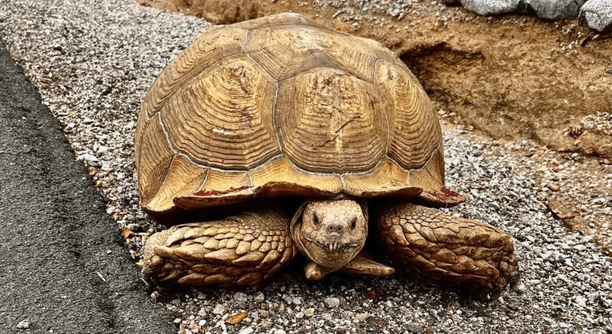
A respiratory infection in your sulcata tortoise can be serious and requires attention. It is important to recognize the symptoms early to provide the best care possible for your pet’s health and well-being.
A sulcata tortoise with a respiratory infection may show symptoms such as nasal discharge, wheezing, or labored breathing. These signs should not be ignored, as untreated infections can lead to more severe health issues, potentially harming your tortoise.
Understanding these symptoms will help you identify an infection before it worsens. Learning how to care for your tortoise during illness can also help ensure a quicker recovery.
Signs of a Respiratory Infection in Sulcata Tortoises
A respiratory infection in sulcata tortoises can be difficult to spot at first, but the signs become more noticeable as the infection worsens. You may notice your tortoise having difficulty breathing, with labored or heavy breaths. If the infection affects the nasal passages, you might also see discharge, either clear or cloudy. Wheezing or coughing sounds can often accompany these symptoms. In some cases, the eyes may become watery or swollen. These signs typically point to an upper respiratory infection, which can spread if not treated promptly.
If you see any of these symptoms, it’s important to take action quickly. A respiratory infection in tortoises can spread from the nasal passages to the lungs, leading to serious complications. Without treatment, the infection could result in severe breathing difficulties or even pneumonia. Early detection and appropriate care are essential to ensuring your tortoise recovers fully.
You might notice that your tortoise seems less active or lacks interest in food. This can be another red flag, as a sick tortoise may become lethargic and refuse to eat or drink.
How Respiratory Infections Develop
Respiratory infections in tortoises often occur due to poor environmental conditions, such as humidity that is too high or low. When temperatures are not ideal, a tortoise’s immune system weakens, making it easier for bacteria or viruses to cause infection. Improper housing can increase the likelihood of exposure to harmful pathogens, whether from contaminated bedding, water, or air.
Maintaining proper environmental conditions is key to preventing respiratory infections. Sulcata tortoises require specific temperature and humidity levels to thrive. They need a basking area that is warm enough to help them regulate their body temperature. Without these essential conditions, their immune system may not function properly, leaving them vulnerable to infection. Ensuring that your tortoise has a dry, well-ventilated space with the right humidity will help protect it from respiratory issues. Cleaning the enclosure regularly to remove waste and bacteria also plays a crucial role in reducing the risk of infections.
Keeping your tortoise’s enclosure clean and ensuring proper temperature control will go a long way in maintaining its health. The right environment supports your tortoise’s immune system, helping it stay strong and resistant to illness.
How to Treat a Respiratory Infection
If your sulcata tortoise shows signs of a respiratory infection, the first step is to take it to a veterinarian. They can prescribe antibiotics or other treatments to address the infection. Never attempt to treat your tortoise with over-the-counter medications meant for other animals.
Proper hydration is essential for helping your tortoise recover. Make sure your tortoise has access to fresh water at all times. Some veterinarians may also recommend additional fluids to be given directly. In addition, your tortoise may need a heated area to recover, as warmth will help improve its immune system function. Proper temperature regulation will help keep your tortoise comfortable while it heals.
It’s important to monitor your tortoise closely after starting treatment. Be aware of any changes in behavior or worsening of symptoms. If the infection doesn’t improve, follow up with your vet to adjust the treatment plan. Keeping your tortoise in a stress-free environment will also support a speedy recovery.
The Importance of a Clean Environment
A clean environment is key to preventing and treating respiratory infections in tortoises. Regularly clean the enclosure to avoid bacterial build-up and ensure there is enough ventilation. Any waste, mold, or old food should be removed promptly.
A humid or dirty environment can make respiratory issues worse. If your tortoise’s enclosure isn’t cleaned often enough, it can harbor bacteria that may cause infection. Regularly replacing bedding and disinfecting surfaces will reduce this risk. Additionally, be mindful of the humidity level—too much moisture can lead to respiratory distress, while too little can weaken your tortoise’s immune system. Keeping the enclosure clean not only prevents infection but also promotes overall well-being.
Temperature control is just as crucial. Your tortoise needs a warm basking spot for digestion and a cooler area to regulate body temperature. Proper heat is essential for recovery, as a sick tortoise needs warmth to fight infection.
Importance of Proper Diet
A balanced diet can play a significant role in helping your sulcata tortoise recover from respiratory infections. Nutrient-rich food supports its immune system, aiding in quicker recovery. Offering fresh, leafy greens, and high-quality hay is essential for overall health.
In addition to fresh greens, ensure your tortoise has access to calcium and fiber. Proper nutrition helps boost the immune system, allowing your tortoise to better fight off the infection. Avoid overfeeding or giving too many sugary fruits, as they can impact your tortoise’s health. A healthy, well-rounded diet is essential for both recovery and long-term well-being.
Preventing Future Respiratory Infections
Preventing respiratory infections requires regular checks on both your tortoise and its environment. Ensuring that temperature, humidity, and ventilation are ideal can significantly reduce the risk of illness. It’s also important to avoid sudden temperature fluctuations, which can weaken your tortoise’s immune system.
Additionally, monitoring your tortoise’s behavior can help you catch early signs of illness. If it starts acting lethargic or refuses food, there may be an underlying issue. Regular vet checkups are a good practice to keep your tortoise healthy and catch potential problems before they become serious. A clean, stable environment is key to prevention.
Keep Stress to a Minimum
Stress can weaken your tortoise’s immune system, making it more susceptible to infections. If your tortoise seems to be stressed, try to identify and remove the cause. This could be anything from excessive handling to overcrowding.
Reduce stress by providing a peaceful and secure environment. Ensure your tortoise has plenty of space to move and hide if it feels threatened. Sudden changes in its living conditions should be avoided to keep stress levels low. By keeping your tortoise stress-free, you can help it maintain better overall health.
FAQ
What causes respiratory infections in sulcata tortoises?
Respiratory infections in sulcata tortoises are often caused by improper living conditions. This includes incorrect temperature, humidity, or poor ventilation. Stress from overcrowding, handling, or sudden environmental changes can also contribute to the development of an infection. Pathogens like bacteria or viruses thrive in these conditions, making tortoises more vulnerable. Keeping the habitat clean and stable helps reduce the risk of respiratory issues.
How can I tell if my tortoise is sick?
If your tortoise is sick, it may show signs like nasal discharge, wheezing, or difficulty breathing. Other symptoms include lethargy, loss of appetite, and swollen or watery eyes. A healthy tortoise is usually active, eats regularly, and breathes normally. If you notice any changes, it’s important to consult a vet to confirm the issue and start treatment early.
Can a respiratory infection be fatal?
Yes, a respiratory infection can become fatal if left untreated. The infection can spread to the lungs, leading to pneumonia and other severe complications. The sooner you notice symptoms and get your tortoise treated, the better the chances for a full recovery. Quick intervention is key to preventing life-threatening issues.
How long does it take for a sulcata tortoise to recover from a respiratory infection?
The recovery time for a sulcata tortoise depends on the severity of the infection and the treatment plan. If treated promptly with the right antibiotics and proper care, it can take anywhere from a few weeks to a month for a tortoise to fully recover. However, recovery time may vary depending on the tortoise’s overall health and the care it receives during the healing process.
Can I treat a respiratory infection at home?
It is not recommended to treat a respiratory infection at home without guidance from a vet. While some basic supportive care like providing proper temperature and hydration can help, the infection often requires specific medications like antibiotics that only a veterinarian can prescribe. Self-treating may lead to complications or ineffective treatment, so always seek professional advice.
What should I do if my tortoise refuses to eat while sick?
If your tortoise refuses to eat, it could be a sign of illness. You should first check the temperature and humidity of its enclosure to ensure it’s within the ideal range. If the environment is correct and your tortoise is still not eating, it’s important to see a vet. A lack of appetite can weaken the tortoise further and delay recovery, so prompt action is necessary.
How can I prevent respiratory infections in my tortoise?
Preventing respiratory infections in tortoises largely involves maintaining a clean, dry, and properly heated environment. Ensure that the enclosure is large enough for your tortoise to move freely and avoid overcrowding. Regularly clean the habitat, remove waste, and ensure proper ventilation. Also, check the humidity levels to make sure they’re not too high or low. Regular veterinary checkups are also a good preventative measure.
Is it okay to handle my tortoise while it’s sick?
It’s best to avoid handling your tortoise too much while it’s sick. Excessive handling can cause unnecessary stress, which could worsen its condition. If you need to move or examine your tortoise, do so gently and quickly. Allow your tortoise to rest and recover in a stress-free environment. Handling should only be done when necessary and should always be kept to a minimum during illness.
What temperature should the enclosure be for a sick tortoise?
A sick tortoise may require a warmer environment to help boost its immune system. The basking area should be around 95°F (35°C), while the cooler side of the enclosure should remain between 75°F and 80°F (24°C to 27°C). The warm temperature helps with digestion and improves overall health, aiding in recovery. Make sure the enclosure is not too hot or cold, as extreme temperatures can worsen the infection.
Should I continue giving my tortoise fresh vegetables while it is sick?
Yes, it’s important to provide fresh vegetables to a sick tortoise, as they can help maintain hydration and provide essential vitamins. However, make sure the vegetables are suitable for sulcata tortoises, such as leafy greens like kale and dandelion. If your tortoise is refusing food, you might try offering softer, more appealing vegetables or even try hand-feeding. Consult with your vet if your tortoise continues to refuse food.
Can my tortoise get a respiratory infection from another pet?
While respiratory infections in tortoises are often caused by environmental factors, it’s possible for them to be exposed to pathogens from other pets, especially if they share the same space. Keep your tortoise’s enclosure separate from other animals to minimize the risk of cross-contamination. If you have other reptiles or animals, make sure to clean your hands and any shared equipment to prevent the spread of illness.
What should I do if my tortoise’s eyes are swollen or watery?
Swollen or watery eyes can be a sign of a respiratory infection or other health issue. Ensure that your tortoise’s environment is the proper temperature and humidity. If the swelling and discharge don’t improve, a vet visit is necessary. The vet will be able to assess the cause and provide treatment, which may include antibiotics or anti-inflammatory medication.
Final Thoughts
Taking care of a sulcata tortoise requires careful attention to its health and environment. Respiratory infections are serious and can affect your tortoise’s overall well-being, so it’s important to recognize the signs early. Keeping an eye out for symptoms like nasal discharge, wheezing, or lethargy can help you address the issue before it becomes severe. Ensuring that your tortoise has access to clean water, fresh food, and a stable, properly heated environment plays a huge role in preventing illness. A little vigilance can go a long way in helping your tortoise live a long, healthy life.
When a respiratory infection is suspected, seeking professional veterinary care is crucial. A veterinarian can provide the right diagnosis and prescribe antibiotics or other treatments necessary for recovery. While home care like proper hydration and warmth can support your tortoise, it’s always best to follow your vet’s advice for treatment. The right care and timely intervention can help your tortoise recover more quickly and prevent further complications. Additionally, keeping your tortoise in a clean, well-maintained enclosure with stable temperature and humidity is key to both treatment and prevention.
Remember, the best way to keep your tortoise healthy is to avoid stress and maintain a safe environment. Stress can weaken the immune system, leaving your tortoise more vulnerable to infections. Regularly checking the habitat conditions and adjusting them as needed will help reduce the risk of respiratory infections. While caring for a tortoise may seem demanding at times, it’s also rewarding. With the right care and attention, your tortoise can recover from illness and continue to thrive.

Hello,
If you enjoy the content that we create, please consider saying a "Thank You!" by leaving a tip.
Every little bit helps us continue crafting quality advice that supports the health, happiness, and well-being of pets around the world, for pets of all shapes, sizes, and species.
We really appreciate the kindness and support that you show us!