
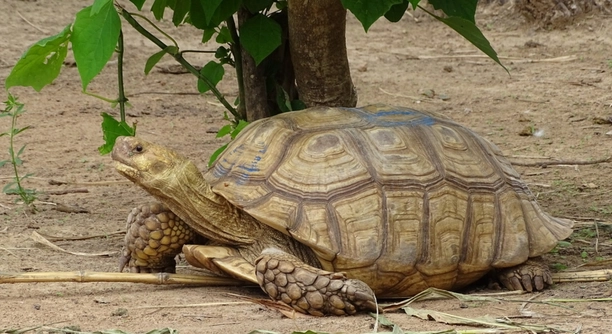
Feeding your sulcata tortoise the right fruits is essential for their health. Some fruits are safe, while others may cause harm. Understanding which fruits are beneficial and which to avoid ensures they thrive.
Sulcata tortoises can safely enjoy fruits like apples, strawberries, melons, and papayas. These fruits provide necessary vitamins and hydration while being low in sugar. However, fruits high in oxalates, like rhubarb, should be avoided due to potential health risks.
Knowing which fruits to feed your sulcata tortoise will help maintain their well-being. This guide highlights safe options and warns about potential dangers to avoid for optimal health.
7 Safe Fruits for Sulcata Tortoises
Sulcata tortoises thrive on a diet that is both varied and balanced. Fruits can be a great source of hydration and nutrients, but it’s important to choose the right ones. Apples are a safe option, packed with vitamins A and C, which support their immune system. Strawberries also provide necessary antioxidants and are low in sugar, making them a good treat. Melons, such as watermelon and cantaloupe, are hydrating and rich in fiber, supporting digestive health. Papayas are another safe choice and are high in vitamin C, which boosts immunity and helps maintain healthy skin.
These fruits should be given in moderation to avoid an overload of sugars. Even healthy fruits, if overfed, can lead to digestive issues. It’s also important to remove any seeds or pits that could pose a choking hazard. While fruits should not make up the bulk of a sulcata’s diet, they can be an occasional treat. Offering a variety of fruits ensures that your tortoise gets a mix of essential nutrients.
Fruits should only be offered as a supplement to a diet of primarily grasses and leafy vegetables. The balance between fruits and other foods will keep your tortoise healthy and happy.
Fruits to Avoid
Certain fruits can be harmful to sulcata tortoises. For example, citrus fruits like oranges and lemons should be avoided. These fruits contain high levels of acid, which can upset your tortoise’s digestive system. Additionally, fruits with high sugar content, such as grapes, can lead to obesity and other health problems. Always check for any fruit that might cause an adverse reaction, and avoid those with toxic properties.
It’s also essential to stay away from rhubarb. This common vegetable can be deadly to tortoises, causing kidney failure or poisoning. Similarly, avoid feeding your sulcata fruits with high oxalate levels, like strawberries in excess, which can interfere with calcium absorption. Make sure to research before introducing any new fruits to your tortoise’s diet. Always err on the side of caution and avoid giving anything you’re unsure about.
How to Prepare Fruits for Your Sulcata Tortoise
When feeding fruits to your sulcata, it’s crucial to prepare them properly. Always wash the fruit thoroughly to remove any pesticides or dirt. Cut the fruit into small, manageable pieces to prevent choking hazards. Ensure any seeds or pits are removed, especially for fruits like peaches or cherries, which can be harmful. This makes the fruit safer and easier for your tortoise to eat.
You should also make sure the fruit is fresh and ripe. Overripe fruits can ferment, causing digestive issues for your tortoise. Offering fruit as a part of a balanced meal, alongside leafy greens and hay, will help provide a complete nutrient profile. Although fruits are a good addition, they shouldn’t be the main component of your tortoise’s diet.
While some fruits like watermelon and melon are hydrating, remember that excess moisture can sometimes cause loose stool. Keep a close eye on your tortoise after introducing a new fruit and adjust its diet if necessary.
Monitoring Your Tortoise’s Health After Feeding Fruit
Once you begin incorporating fruits into your tortoise’s diet, monitor their behavior and health closely. Keep an eye on their weight and digestion, as sudden changes could indicate too much fruit or an allergic reaction. Sulcata tortoises can be sensitive to new foods, so it’s essential to be gradual when offering fruit for the first time.
Pay attention to how their shell looks and feels. If they seem lethargic or have abnormal stool, it could be a sign that the fruit wasn’t well-suited for them. Keep fruit portions small and observe their response. Any signs of discomfort or health issues should be addressed immediately.
It’s also essential to track how frequently you offer fruit. Feeding fruit too often may disrupt their overall diet, potentially leading to imbalance or unhealthy weight gain.
Best Fruits for Sulcata Tortoises
Apples are a great option for your sulcata tortoise. They are high in vitamins and provide a mild sweetness. Strawberries, when given in moderation, also offer antioxidants and fiber. Melons like watermelon and cantaloupe are excellent for hydration. Papayas are packed with vitamin C and are safe in controlled amounts.
All these fruits provide essential nutrients. However, remember that fruit should only be an occasional treat. Your tortoise’s main diet should focus on grasses, hay, and leafy greens. A balanced diet will ensure your tortoise stays healthy and vibrant.
Fruits That Should Be Given in Moderation
Some fruits should be offered in moderation due to their sugar content. Bananas, for example, are high in sugar, which can lead to obesity if overfed. Similarly, pears, while safe, are sugary and should be treated as an occasional treat. Limiting these fruits helps avoid unnecessary health risks.
A small piece every week is enough to give your tortoise a tasty treat without overloading their system. Keep fruit portions minimal, and always provide a variety of other foods to maintain a balanced diet.
FAQ
Can sulcata tortoises eat grapes?
Grapes should be avoided due to their high sugar content. While not immediately harmful in small amounts, they can lead to long-term health issues like obesity and digestive problems. It’s best to skip grapes and choose safer fruit options like apples or melons instead.
Is it okay to feed my sulcata tortoise citrus fruits?
Citrus fruits, such as oranges and lemons, are not recommended for sulcata tortoises. The high acidity can upset their digestive system and lead to potential stomach issues. Stick to more neutral fruits like apples, strawberries, and papayas for a healthier alternative.
How much fruit can I feed my sulcata tortoise?
Fruit should be given in moderation, making up about 5-10% of their total diet. Too much fruit can disrupt their digestion and lead to health issues. Offering fruit as a treat once or twice a week is ideal, with a variety of safe fruits for balance.
Can sulcata tortoises eat pineapple?
Pineapple can be fed in small amounts but should not be a regular part of their diet. It’s high in sugar and acid, which can cause digestive problems or stomach upset. Always remove the tough outer skin and feed only the flesh in small portions.
What fruits are the best for sulcata tortoises?
Apples, strawberries, melons, and papayas are some of the best fruits for sulcata tortoises. These fruits provide important vitamins, antioxidants, and hydration without overwhelming their digestive system. Always remove any seeds or pits, as they can be harmful or cause choking hazards.
Can I feed my sulcata tortoise dried fruits?
Dried fruits are not ideal for sulcata tortoises. They are usually too concentrated in sugar, and the lack of moisture can cause dehydration. Fresh fruit is always a better option, as it provides hydration and the necessary nutrients without the risks associated with dried versions.
Are bananas safe for sulcata tortoises?
Bananas can be fed to sulcata tortoises in small amounts. However, they should only be an occasional treat due to their high sugar content. Overfeeding bananas can lead to health problems such as weight gain or digestive issues. A small slice once a week is enough.
Can I feed my sulcata tortoise fruit with seeds?
It’s important to remove seeds from fruits like apples, peaches, or cherries before feeding them to your sulcata tortoise. Some seeds contain toxins, and they can also be a choking hazard. Always check for seeds or pits and remove them to keep your tortoise safe.
How often should I feed fruit to my sulcata tortoise?
Fruit should be an occasional treat, not a daily staple. Offering fruit once or twice a week is sufficient. The majority of their diet should consist of grasses, hay, and leafy vegetables to ensure they receive the necessary nutrients for healthy growth.
Can sulcata tortoises eat watermelon?
Watermelon is safe and a good option for sulcata tortoises, especially in the summer months. It’s hydrating and low in sugar compared to other fruits. Be sure to remove the seeds before feeding it to your tortoise, and offer it in moderation as a treat.
Final Thoughts
Feeding your sulcata tortoise a balanced diet is essential for their health and well-being. While fruits can be a nutritious and enjoyable treat, they should never make up the majority of their diet. Sulcata tortoises require a high-fiber diet, primarily consisting of grasses, hay, and leafy greens. These foods provide the necessary nutrients for proper growth, digestion, and overall health. Fruit should be considered a special treat, not a daily offering, to avoid health problems such as obesity or digestive upset.
It’s also important to ensure that the fruit you offer is safe and properly prepared. Remove any seeds or pits from fruits like apples or cherries, as these can pose choking hazards or even contain harmful substances. Always wash fruit thoroughly to remove pesticides and other chemicals that may be harmful to your tortoise. Cutting fruit into small, manageable pieces can also help prevent choking. By taking these precautions, you can help your sulcata tortoise enjoy fruits safely while avoiding unnecessary risks.
Finally, remember that each tortoise is different. Some may tolerate certain fruits better than others, so it’s essential to observe your tortoise’s reaction to new foods. If you notice any signs of digestive issues, lethargy, or weight gain, it may be time to adjust their diet. By offering a variety of safe fruits in moderation and focusing on a primarily plant-based, high-fiber diet, you can ensure your sulcata tortoise lives a long and healthy life.

Hello,
If you enjoy the content that we create, please consider saying a "Thank You!" by leaving a tip.
Every little bit helps us continue crafting quality advice that supports the health, happiness, and well-being of pets around the world, for pets of all shapes, sizes, and species.
We really appreciate the kindness and support that you show us!