
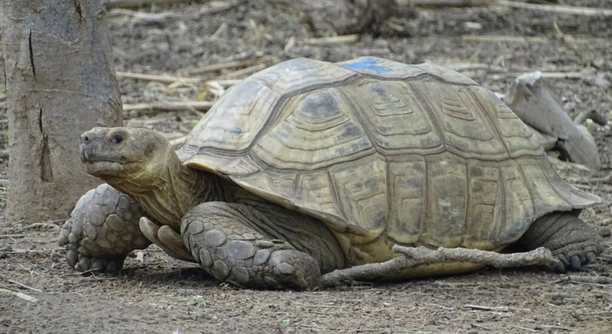
Sulcata tortoises are unique creatures, and observing their behavior can sometimes raise concerns. If you notice your tortoise breathing with its mouth open, it might indicate an underlying issue. Understanding this behavior can help you respond appropriately.
Mouth breathing in sulcata tortoises is often a sign of respiratory distress, which may be caused by environmental factors such as improper humidity, temperature, or potential infections. Ensuring the right habitat conditions is key to their overall health.
Addressing the root causes of your tortoise’s mouth breathing will improve its well-being. This article will explore the possible reasons behind the behavior and how you can care for your pet effectively.
Reasons Your Sulcata Tortoise May Be Breathing With Its Mouth Open
When a sulcata tortoise breathes with its mouth open, it’s a sign that something is off. These tortoises are generally quiet and breathe through their nostrils. If you notice them gasping, it can indicate stress or discomfort. Environmental issues are the most common reason for mouth breathing in tortoises. The right humidity, temperature, and habitat setup are essential for their well-being. A sudden change in their living environment or incorrect conditions can cause them to feel unwell.
When your tortoise starts showing signs of stress, like mouth breathing, it’s important to address the issue quickly. Improper temperature or humidity can make breathing difficult and lead to health complications. Ensuring your tortoise’s enclosure mimics its natural environment will help keep it comfortable. Maintaining the correct temperature and humidity levels in the habitat is vital for proper respiration. If these issues are not resolved, the tortoise may develop respiratory infections. It’s essential to keep an eye on their overall health to prevent further issues.
Common Illnesses in Sulcata Tortoises
Another reason for mouth breathing could be an illness. Respiratory infections are particularly common in sulcata tortoises, especially when exposed to poor environmental conditions. If your tortoise’s habitat is too cold or damp, it can become susceptible to bacterial or fungal infections. These infections can make breathing labored, causing your tortoise to open its mouth to get air. Infections often show other symptoms, such as lethargy, lack of appetite, and runny eyes or nose. These symptoms should not be ignored. It is critical to get your tortoise checked by a vet who specializes in reptiles as soon as possible.
While infections can be treated with antibiotics, it’s important to note that the recovery process requires proper care. If the environment continues to be unsuitable, the infection could return. It’s also crucial to make sure that your tortoise is not stressed. Stress can weaken its immune system, making it more vulnerable to illness. To prevent infections, always provide a dry, warm area for your tortoise with adequate space to roam. Proper diet and hydration also support your tortoise’s immune system.
Environmental Stress and Its Effect on Breathing
A sulcata tortoise’s environment plays a large role in its health. If the temperature or humidity is off, it can cause stress, which impacts its breathing. Sudden changes in habitat conditions can make your tortoise feel anxious or uncomfortable, leading it to open its mouth to breathe more easily.
In the wild, sulcata tortoises live in warm, dry environments, so replicating these conditions in captivity is essential. If the humidity is too high or the temperature too low, it can strain their respiratory system. Stress from poor conditions makes it difficult for the tortoise to regulate its body, and mouth breathing is a sign of distress.
Monitoring temperature and humidity closely can help prevent environmental stress. Use a thermometer and hygrometer to ensure the enclosure stays within the ideal range for a sulcata. This will help keep your tortoise comfortable and prevent respiratory issues from developing. Small adjustments to the environment can make a big difference in your pet’s health.
Dehydration and Its Impact on Breathing
Dehydration is another factor that can cause your tortoise to breathe with its mouth open. When sulcata tortoises don’t get enough water, it can lead to a variety of health problems, including difficulty breathing. Dehydration makes their mucous membranes dry, affecting their ability to breathe easily.
A tortoise’s need for water is often underestimated. They need access to clean, fresh water daily. Dehydration can also weaken their immune system, leaving them vulnerable to infections. If your tortoise is not drinking enough, consider soaking it in shallow water for about 15-20 minutes a few times a week to encourage hydration. This will also help keep their shell and skin healthy.
In addition to regular soaking, providing water bowls in the enclosure helps ensure they can drink when they need to. Regular hydration is just as important as the right environment for your sulcata. Proper water intake will help support healthy respiratory function and overall well-being.
Inappropriate Substrate Choices
The type of substrate you use in your tortoise’s enclosure can directly affect its health. Some substrates, like cedar or pine, can cause respiratory irritation. If your tortoise breathes with its mouth open, it might be reacting to harmful particles in its environment.
Using safe substrates, such as coconut coir or grass hay, will help keep the air clean. Dusty or aromatic substrates can irritate your tortoise’s respiratory system, especially if it is already stressed or vulnerable. Ensure the substrate is also easy to clean and doesn’t retain excess moisture, which can further impact the humidity levels in the habitat.
The Role of Proper Ventilation
Ventilation is essential in a sulcata tortoise’s habitat. Poor airflow can cause stale, humid air, making it harder for your tortoise to breathe. Without proper ventilation, toxins can build up, and your pet may open its mouth to get fresh air.
Good ventilation prevents excess moisture and helps control temperature. Ensure there are plenty of air holes or a mesh cover on the enclosure to allow air to circulate. If the tortoise’s space is too stuffy, the air quality can become compromised. Regularly cleaning the enclosure also helps prevent respiratory issues from developing.
Overfeeding and Its Effects
Overfeeding your sulcata tortoise can cause digestive issues, which may lead to stress and difficulty breathing. If the tortoise’s system is overloaded, it can affect its overall health, including respiration. A bloated or uncomfortable tortoise may open its mouth to regulate airflow.
Make sure to feed your tortoise the appropriate amount of food. A balanced diet of grasses, weeds, and limited fruits will help keep their digestive system healthy. Too much food, especially high-protein content, can stress the tortoise’s body. Keep track of their feeding schedule and portion sizes to avoid overfeeding.
FAQ
Why is my sulcata tortoise breathing with its mouth open?
Mouth breathing in sulcata tortoises is often a sign of respiratory distress. This could be caused by environmental stress, poor humidity, incorrect temperatures, or even an underlying infection. If your tortoise is breathing this way, it is crucial to address the habitat conditions and check for signs of illness. A visit to a vet might be necessary to rule out infections like pneumonia.
How do I know if my sulcata tortoise has a respiratory infection?
Respiratory infections in tortoises are often accompanied by other symptoms such as lethargy, runny eyes or nose, or a lack of appetite. If your tortoise is breathing with its mouth open, it may also show signs of struggling to breathe or making wheezing noises. If these symptoms persist, seek veterinary care immediately for proper treatment.
Can stress cause mouth breathing in sulcata tortoises?
Yes, stress is a common cause of mouth breathing in sulcata tortoises. Environmental changes, handling, or being kept in an unsuitable habitat can cause significant stress. When a tortoise is stressed, it might open its mouth to breathe more comfortably. Ensure your tortoise has a stable, comfortable habitat to reduce stress levels.
What is the ideal temperature for a sulcata tortoise?
The ideal temperature for a sulcata tortoise ranges between 85°F and 95°F (29°C to 35°C) during the day, with a nighttime temperature of around 70°F (21°C). It’s essential to maintain a warm environment because sulcata tortoises are native to hot, dry areas. Too low a temperature can cause respiratory problems.
How do I maintain proper humidity for my sulcata tortoise?
Sulcata tortoises do not require high humidity, but they do need some moisture to keep their respiratory system healthy. The humidity level in their habitat should be between 30% and 50%. You can maintain this by providing water bowls for soaking and misting the enclosure lightly. Ensure that the humidity doesn’t become too high, as this can lead to respiratory issues.
What substrate is best for my sulcata tortoise’s enclosure?
The best substrates for sulcata tortoises are dry, non-toxic materials like coconut coir, grass hay, or a mixture of soil and sand. Avoid substrates like cedar or pine, as they contain oils that can irritate the tortoise’s respiratory system. Also, ensure the substrate is easy to clean and doesn’t hold too much moisture, which can affect humidity.
How often should I soak my sulcata tortoise?
Soaking your sulcata tortoise once or twice a week is generally recommended, especially if it isn’t drinking enough water. A shallow soak in warm water for 15-20 minutes helps hydrate the tortoise and supports digestion. Make sure the water is not too deep, and always supervise your tortoise during the soak to prevent drowning.
Is it safe to handle my sulcata tortoise?
Handling your sulcata tortoise occasionally is fine, but excessive handling can cause stress, especially if it’s not used to being handled. Always be gentle and avoid picking them up by the shell. If the tortoise seems agitated, it’s best to leave it undisturbed. Keeping the environment stable is more important for its well-being than frequent handling.
What should I feed my sulcata tortoise?
Sulcata tortoises primarily need a diet of high-fiber grasses, weeds, and some leafy greens. They can occasionally eat fruits, but this should be in moderation. Avoid feeding them high-protein foods or dairy, as these can cause health problems. Ensure that they have access to clean, fresh water at all times.
Can dehydration cause mouth breathing in sulcata tortoises?
Yes, dehydration can make breathing difficult for sulcata tortoises, leading to mouth breathing. When they are dehydrated, their mucous membranes dry out, which makes it harder for them to breathe through their nose. Ensure your tortoise has access to fresh water daily and consider soaking them in shallow water to keep them hydrated.
How can I prevent my sulcata tortoise from becoming sick?
To prevent your sulcata tortoise from becoming sick, maintain a clean, stable environment. Ensure proper temperature and humidity levels, provide a balanced diet, and avoid overcrowding in the enclosure. Regularly check for signs of illness, such as abnormal breathing, lack of appetite, or abnormal behavior. Providing a stress-free environment is essential to keeping your tortoise healthy.
Final Thoughts
Understanding why your sulcata tortoise is breathing with its mouth open is essential for addressing its health needs. There are several possible causes, ranging from environmental stress to respiratory infections. Identifying the underlying issue early can make a significant difference in the care and recovery of your tortoise. Ensuring that its habitat is suitable, with proper temperature, humidity, and substrate, plays a critical role in maintaining its health. If you notice persistent mouth breathing or other concerning symptoms, it’s always best to consult with a veterinarian who specializes in reptiles.
The most common causes of mouth breathing include inadequate humidity, incorrect temperatures, and respiratory infections. Providing a comfortable and stable environment for your sulcata tortoise is essential to preventing these issues. Always monitor the habitat conditions and adjust them as needed. Keeping the enclosure clean and ensuring proper ventilation will help maintain healthy air quality. A tortoise’s immune system can also be affected by stress, so reducing stressors like frequent handling or environmental changes will go a long way in keeping your tortoise happy and healthy.
Ultimately, regular check-ups, proper care, and attention to the tortoise’s environment are key to preventing health problems. By maintaining the right conditions and staying vigilant for signs of illness, you can help your sulcata tortoise thrive. Providing the right diet, appropriate hydration, and a stress-free environment will reduce the risk of respiratory issues and other health concerns. Taking these steps will not only improve your tortoise’s well-being but will also help ensure its long-term happiness and health in your care.

Hello,
If you enjoy the content that we create, please consider saying a "Thank You!" by leaving a tip.
Every little bit helps us continue crafting quality advice that supports the health, happiness, and well-being of pets around the world, for pets of all shapes, sizes, and species.
We really appreciate the kindness and support that you show us!