
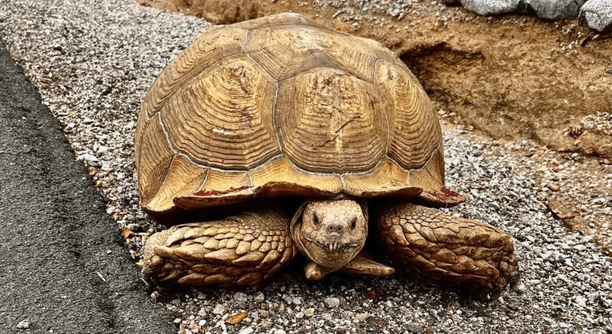
Sulcata tortoises, known for their large size and slow movements, require proper care to stay healthy. Their feet, in particular, can face several issues that may affect their mobility and well-being.
Common foot problems in Sulcata tortoises include overgrown nails, cracked shells, infections, and sores. Addressing these issues involves regular care, proper diet, and providing appropriate environments to prevent further complications. Early detection and treatment are crucial for their health.
These foot problems can be managed with the right care and attention. Let’s explore how to recognize these issues and effectively resolve them to ensure your tortoise’s comfort and long-term health.
Overgrown Nails
One of the most common foot problems for Sulcata tortoises is overgrown nails. These nails can grow excessively long if not properly trimmed, leading to discomfort and difficulty moving. Over time, they may even start to curl or cause pressure sores. This issue typically occurs if a tortoise is kept in an environment with soft surfaces or doesn’t have access to rough terrain that naturally wears down their nails. If left unaddressed, overgrown nails can lead to painful injuries or infections, ultimately affecting the tortoise’s ability to walk and roam comfortably.
To avoid overgrown nails, regular trimming is necessary. Keeping your tortoise on rough surfaces like concrete or gravel also helps wear down their nails naturally. However, if trimming becomes necessary, do so carefully, using proper tools designed for tortoises. Always trim just a small amount at a time to avoid cutting too deeply into the quick, the sensitive part of the nail. Regularly inspect your tortoise’s nails to ensure they stay manageable.
In addition to trimming nails, keeping your tortoise’s habitat clean and dry can reduce the risk of infections. If you’re unsure how to trim your tortoise’s nails, seek help from a reptile veterinarian to ensure the process is done correctly and safely.
Cracked Shells
Cracked shells are another common issue faced by Sulcata tortoises. A cracked shell can be caused by dehydration, accidents, or poor diet. If not addressed, these cracks can lead to infection and other serious complications. A tortoise’s shell is not just a protective covering but an essential part of its overall health.
To prevent shell cracks, ensure your tortoise stays well-hydrated by providing fresh water and a balanced diet. Shells can also become more prone to damage if the tortoise is kept in an environment that is too dry or too hot. This is why providing a humid, well-maintained enclosure is crucial for their well-being. If a crack occurs, it is important to immediately clean the area to avoid bacterial buildup. Applying a non-toxic antiseptic can help prevent infection, and in some cases, a vet might need to treat the injury.
Sores and Wounds
Sores and wounds on a Sulcata tortoise’s feet often result from improper living conditions, poor hygiene, or physical injury. These wounds can lead to infections, causing pain and further complications. If untreated, sores may become deep and chronic, affecting your tortoise’s ability to move around comfortably.
To prevent sores, ensure your tortoise’s enclosure is clean and free from sharp objects. A dry, clean environment with proper bedding helps minimize the risk of injury and infection. Regularly check your tortoise’s feet and shell for any signs of abrasions or swelling. If you notice any sores, clean them with mild antiseptic and keep them dry to avoid bacteria growth. A veterinarian can help treat more severe wounds.
If a wound becomes infected, signs such as redness, discharge, or swelling will likely appear. At this point, consult a veterinarian for appropriate treatment, which might include antibiotics or a more thorough cleaning of the wound. Quick action is vital to avoid long-term health problems.
Infections
Infections in Sulcata tortoises can stem from untreated wounds, poor diet, or improper environmental conditions. Infections are not always obvious at first, but over time they can worsen, leading to more severe health issues. Keeping an eye on your tortoise’s behavior and overall health can help catch infections early.
The first sign of infection is often swelling, redness, or discharge around the affected area. If your tortoise is lethargic or refuses to eat, it could be a sign that an infection is present. The best way to treat an infection is through professional care. A veterinarian can prescribe antibiotics or topical treatments to combat the infection. Additionally, providing a clean and dry environment will help speed up the recovery process and prevent future infections. If untreated, an infection can lead to more serious complications, such as septicemia, which can be fatal if not addressed. Proper care is key to prevention and treatment.
Soft Shells
A soft shell in Sulcata tortoises often indicates a calcium deficiency. Without enough calcium, their shells fail to harden properly, leaving them vulnerable to injury. This condition can also cause growth deformities, making it difficult for them to thrive long-term.
To prevent soft shells, make sure your tortoise’s diet is rich in calcium. Offering calcium supplements or cuttlebone can be beneficial. A balanced diet that includes dark leafy greens, high in calcium, will also help maintain shell strength. Exposure to UVB light is also crucial for proper calcium absorption. If the condition persists, seek veterinary care.
Proper hydration and a proper diet are essential for shell health. Calcium is vital for the development of a strong, healthy shell that will protect your tortoise throughout its life. Without it, the risk of long-term health problems increases significantly.
Swollen Feet
Swollen feet are often a sign of infection, poor circulation, or even arthritis in Sulcata tortoises. If the swelling appears suddenly or becomes worse over time, it could point to an underlying issue that needs attention.
If your tortoise’s feet are swollen, it’s important to first examine the condition of the enclosure. Ensure that the tortoise is not walking on rough surfaces that could cause injury. Cleaning the area regularly and removing any sharp objects can help. If swelling is caused by an injury or infection, treating it promptly can prevent further complications.
Consult a veterinarian if swelling doesn’t improve after a few days. They can provide a proper diagnosis and recommend the best course of treatment, such as antibiotics or anti-inflammatory medications.
Dehydration
Dehydration is a serious issue for Sulcata tortoises, often causing skin shedding, lethargy, and issues with their feet. Without adequate hydration, a tortoise may develop cracks or sores, especially in their feet, making them vulnerable to infections.
To prevent dehydration, always provide fresh water and soak your tortoise regularly in warm water to encourage hydration. Tortoises are naturally more prone to dehydration in hot environments, so maintaining the right temperature and humidity in their enclosure is key. Avoid using too dry bedding, which can contribute to dehydration.
FAQ
How can I tell if my Sulcata tortoise has foot problems?
If you notice your tortoise limping, avoiding movement, or having difficulty walking, it could be a sign of foot problems. Overgrown nails, cracks in the shell, or swollen feet are common indicators. Regularly inspecting their feet for cuts, sores, or unusual growths will help catch issues early.
How often should I trim my tortoise’s nails?
The frequency of nail trimming depends on your tortoise’s environment. If they are on rough surfaces like concrete, their nails may naturally wear down and not need trimming as often. If they’re on softer surfaces, check their nails every few weeks and trim them when they start to get too long, typically every 2-3 months.
Can I fix a cracked shell on my own?
Minor cracks in the shell can sometimes be treated at home by cleaning the area with antiseptic and applying a non-toxic ointment to prevent infection. However, larger cracks or deep wounds require veterinary care to ensure proper healing and to prevent serious complications, like infection or deformities.
What should I do if my tortoise’s feet are swollen?
If your tortoise’s feet are swollen, first ensure their environment is clean and free of sharp objects. Soak their feet in warm water and apply a mild antiseptic. If swelling persists or is accompanied by other symptoms, such as redness or discharge, it’s essential to consult a veterinarian for proper diagnosis and treatment.
Is it normal for my tortoise’s shell to be soft?
A soft shell is not normal and is usually a sign of calcium deficiency or improper UVB lighting. Make sure your tortoise is eating a calcium-rich diet and has access to UVB light for proper calcium absorption. If the condition continues, take your tortoise to a vet for advice on supplementation or changes to their environment.
What can I do to prevent foot problems in my Sulcata tortoise?
To prevent foot problems, keep your tortoise’s living area clean and free from sharp objects that could cause injury. Provide access to rough surfaces, like gravel or concrete, to naturally wear down their nails. Ensure a balanced diet with enough calcium and vitamins, and regularly check for signs of swelling, cracks, or sores.
How can I treat minor foot injuries on my Sulcata tortoise?
For minor foot injuries, clean the area with a mild antiseptic and keep it dry. You can also apply an antibiotic ointment to prevent infection. Make sure to monitor the injury, and if it worsens or shows signs of infection, seek veterinary assistance.
What are the signs of an infection in a tortoise’s feet?
Signs of an infection include swelling, redness, discharge, or a foul smell coming from the affected area. If your tortoise is also acting lethargic or refusing to eat, these could be further indicators that an infection is present. Early treatment is essential to prevent it from spreading or causing long-term damage.
How can I help my Sulcata tortoise stay hydrated?
To keep your tortoise hydrated, provide fresh water daily and offer regular soaking sessions in lukewarm water. This helps hydrate their skin and shell, especially in hotter climates. Ensure their living space has proper humidity and temperature, as this also plays a role in hydration.
What should I do if my tortoise’s nails are curling?
If your tortoise’s nails are curling, it could be due to overgrowth or improper environmental conditions. Trim the nails carefully, being cautious not to cut too deeply. Providing rough surfaces like gravel or concrete will help wear down the nails naturally. If the problem persists, consult a vet to check for underlying health issues.
Can poor diet cause foot problems in Sulcata tortoises?
Yes, a poor diet can contribute to foot problems, particularly if your tortoise is not getting enough calcium or vitamins. A calcium deficiency can weaken the shell and bones, leading to potential foot issues. Ensure your tortoise gets a balanced diet with leafy greens, high-quality hay, and calcium supplements to support overall health.
Is it safe to soak my tortoise’s feet in warm water?
Yes, soaking your tortoise’s feet in warm water can help with hydration and the healing of minor injuries. It also provides comfort and can help reduce swelling or irritation. Ensure the water is not too hot, as it could cause stress or burns. Limit soaking to 10-15 minutes, especially if your tortoise is not used to it.
How can I keep my Sulcata tortoise’s enclosure clean?
To maintain a clean enclosure, remove waste and uneaten food daily. Regularly replace the bedding and wash the surfaces with reptile-safe disinfectants. This helps prevent bacteria and fungal growth, which can lead to infections or foot problems. Keeping the enclosure dry and well-ventilated is also essential for your tortoise’s health.
What should I do if my tortoise is not eating and seems sick?
If your tortoise is not eating, is lethargic, or shows signs of injury or infection, it’s important to take them to a vet for a proper diagnosis. A lack of appetite can be a sign of infection, dehydration, or other underlying health issues that require immediate attention.
Final Thoughts
Sulcata tortoises are fascinating creatures, and keeping them healthy involves proper care and attention to their needs. Foot problems are one of the most common issues faced by these reptiles. With their large size and natural behavior of roaming long distances, their feet are particularly vulnerable. From overgrown nails to swollen feet, these problems can affect their mobility and overall well-being. Regular checks and proactive care can help you avoid most foot issues. This means maintaining a clean environment, providing the right surfaces to wear down their nails, and offering a balanced diet to support bone and shell health.
The importance of a good diet cannot be overstated. Calcium, in particular, plays a significant role in your tortoise’s overall health. A calcium deficiency can weaken their bones and shell, leading to more significant issues, including foot problems. Ensure your tortoise has access to UVB lighting and appropriate food like leafy greens and high-quality hay. If you ever notice signs of injury or swelling, acting quickly can prevent more severe health complications. Keeping a close eye on their feet and overall condition is key to providing the best care for your tortoise.
While some foot problems may seem minor, neglecting them can lead to long-term health issues. If you notice signs of trouble, such as limping, swelling, or unusual changes in their feet, consult a vet. Timely treatment can make a huge difference in their recovery and quality of life. By following the care guidelines mentioned and staying vigilant, you can ensure your Sulcata tortoise remains healthy and active. As with any pet, consistency in maintenance and attention will allow them to thrive and live a long, happy life in your care.

Hello,
If you enjoy the content that we create, please consider saying a "Thank You!" by leaving a tip.
Every little bit helps us continue crafting quality advice that supports the health, happiness, and well-being of pets around the world, for pets of all shapes, sizes, and species.
We really appreciate the kindness and support that you show us!