
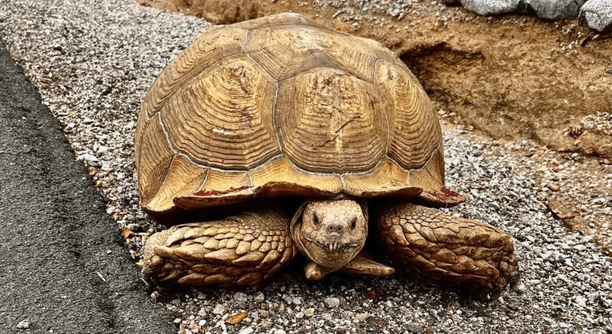
Sulcata tortoises are known for their diverse diet, but certain fruits might raise questions for their owners. Pineapple, a tropical fruit, is often considered in their feeding routine. Let’s explore whether it is safe for these reptiles.
Sulcata tortoises can eat pineapple in moderation, but it is important to consider the high sugar content. Excessive consumption of pineapple can lead to digestive issues or an imbalance in their diet. Always offer it as an occasional treat.
Feeding your sulcata tortoise the right foods is crucial for their health and well-being. This article will guide you on what’s safe and how to incorporate pineapple into their diet safely.
Can Sulcata Tortoises Eat Pineapple Safely?
Pineapple is a sweet, tropical fruit that many people enjoy, but when it comes to sulcata tortoises, it’s important to be cautious. While pineapples can be a tasty treat for these tortoises, it is best to feed them sparingly. Sulcata tortoises are herbivores and primarily thrive on a diet of grasses, weeds, and leafy greens. Pineapple, being high in sugar, should be seen as an occasional addition rather than a regular part of their diet.
Feeding too much pineapple can cause digestive problems. It can also create an imbalance in their diet, which is crucial for their long-term health. Offering too many sugary fruits can lead to obesity and other health issues. When introducing new foods, moderation is key.
You should also consider the overall diet of your sulcata tortoise before offering them pineapple. A balanced diet full of fiber-rich foods is essential for their digestive system. Make sure that pineapple, along with any other fruits, is only a small part of their feeding routine. Always cut the fruit into small pieces to avoid choking hazards and limit how often it’s served.
Health Risks of Feeding Too Much Pineapple
Pineapple is a nutritious fruit, but when consumed in excess, it can cause problems for sulcata tortoises. Their digestive system isn’t equipped to handle large amounts of sugar. Feeding too much can result in diarrhea or an upset stomach, which can lead to dehydration. Additionally, the acidity in pineapple might irritate their digestive tract if given frequently.
The best practice is to limit pineapple to a special treat, no more than once every few weeks. This way, you’re reducing the risk of any digestive problems while still offering variety in their diet. It is always best to consult with a veterinarian to ensure the safety of any new foods added to their meals. They can provide specific guidelines based on your tortoise’s age and health condition.
If your tortoise shows signs of digestive distress after consuming pineapple, it may be a sign to avoid it altogether or reduce the frequency of its inclusion. It is crucial to closely monitor your tortoise’s health whenever you introduce any new food.
Nutritional Value of Pineapple for Sulcata Tortoises
Pineapple offers some nutritional benefits, including vitamins C and A, which are important for immune function and overall health. However, it also contains high levels of sugar and acidity, which may not be ideal for sulcata tortoises when consumed frequently.
Vitamin C supports immune health and can help prevent illness. It also helps with collagen production, which is important for the overall well-being of a tortoise’s skin and shell. Vitamin A is crucial for maintaining healthy vision and cell growth. While these nutrients are beneficial, the sugar content in pineapple outweighs the advantages when given too often.
Pineapple is best served in moderation, as part of a balanced diet rich in fiber. While it can provide some vitamins, it should not replace the essential leafy greens and grasses that sulcata tortoises require. Offering a variety of plant-based foods is crucial for their health, ensuring they receive all the nutrients they need.
How to Safely Introduce Pineapple to Your Tortoise
When introducing pineapple to your sulcata tortoise, start by offering small amounts to see how they respond. Begin with a bite-sized piece to ensure they can handle it without any digestive upset.
The key is to monitor them closely after offering the fruit for the first time. If they seem to tolerate the pineapple without any issues, you can gradually increase the serving size over time. However, don’t offer it too often—once every two weeks is typically enough for a healthy balance. Removing the skin and core of the pineapple is important as it can be tough for tortoises to digest. Always stick to fresh pineapple rather than canned versions, which often contain added sugars.
Carefully observe your tortoise’s reaction to pineapple. If they show signs of discomfort or refuse to eat it, it’s best to remove it from their diet entirely. Some sulcata tortoises may not take well to certain fruits, and that’s okay.
Alternatives to Pineapple for Sulcata Tortoises
If you’re concerned about the sugar content in pineapple, there are other fruits and vegetables that are safer for sulcata tortoises. Offering variety ensures they get the nutrients they need without the risk of overfeeding sugar.
Leafy greens, such as dandelion greens, kale, and collard greens, should form the bulk of their diet. These are fiber-rich and help with digestion. You can also offer other fruits like watermelon or strawberries, but always in moderation. Vegetables like squash, carrots, and bell peppers are excellent alternatives to sweet fruits.
Variety is key to maintaining a healthy diet for your sulcata tortoise. Offering different types of food will not only keep their meals interesting but also help meet their nutritional needs. It’s important to focus on what’s best for their digestive health and well-being.
How Often Can You Offer Pineapple?
Pineapple should be given to sulcata tortoises sparingly. Offering it once a month is a safe frequency. This keeps the fruit as an occasional treat rather than a regular dietary item. It’s important to maintain a balanced diet overall.
While pineapple provides some nutrients, its high sugar content means it should not be a staple food. Overfeeding could lead to obesity or digestive problems. Offering pineapple occasionally will ensure your tortoise enjoys a variety of foods without risking their health. Always prioritize their primary diet of leafy greens and grasses.
The Impact of Overfeeding Pineapple
Feeding too much pineapple can quickly lead to health problems for sulcata tortoises. Excessive sugar intake can cause an imbalance in their digestive system. This can lead to obesity, diarrhea, or dehydration, all of which can affect their long-term health.
A high sugar diet can disrupt the natural gut bacteria of tortoises, making it harder for them to digest other foods properly. In some cases, this can result in more serious issues like kidney or liver problems. It’s essential to offer pineapple in moderation, balancing it with the necessary amount of fiber-rich greens and other appropriate foods to maintain a healthy diet. Avoiding sugary fruits on a regular basis helps ensure your tortoise stays healthy and energetic.
FAQ
Can sulcata tortoises eat pineapple every day?
No, sulcata tortoises should not eat pineapple every day. Pineapple is high in sugar and acidity, which can cause digestive issues if fed too frequently. It’s best to offer pineapple as an occasional treat, not a regular part of their diet. A good guideline is to provide it once every couple of weeks, along with a variety of other healthy foods like leafy greens and grasses.
How much pineapple can I give to my sulcata tortoise?
When feeding pineapple to your sulcata tortoise, limit the amount to a small piece. A bite-sized portion is sufficient. Too much pineapple can cause digestive upset due to its high sugar content. Always observe your tortoise after feeding new food to ensure they handle it well.
Is pineapple good for sulcata tortoises?
Pineapple does provide some vitamins like C and A, which are beneficial for immune health and skin maintenance. However, due to its high sugar content, it’s not the best choice for a regular food. Offering it occasionally can provide some benefits, but it should not make up a significant portion of their diet.
What happens if I feed my sulcata tortoise too much pineapple?
Feeding too much pineapple can lead to digestive problems, such as diarrhea or bloating, due to its high sugar and acid levels. Long-term overfeeding can also cause obesity, which is a significant risk for sulcata tortoises. It’s important to monitor their weight and digestive health when offering pineapple.
Can sulcata tortoises eat canned pineapple?
No, sulcata tortoises should not eat canned pineapple. Canned pineapple often contains added sugars and preservatives, which are harmful to tortoises. Always opt for fresh pineapple, and remove the skin and core before serving. Fresh pineapple is a healthier and safer choice for your tortoise.
Can sulcata tortoises eat pineapple leaves?
No, the leaves of a pineapple plant are not suitable for sulcata tortoises. The leaves can be tough, fibrous, and difficult to digest. These parts of the plant may also contain compounds that could be harmful. Stick to fresh fruit without the leaves for safe feeding.
Can pineapple cause dehydration in sulcata tortoises?
While pineapple itself isn’t likely to cause dehydration, excessive consumption can upset a tortoise’s digestive system, leading to diarrhea. Diarrhea, in turn, can cause dehydration if it persists. Always provide fresh water alongside any new food and monitor for signs of dehydration, like lethargy or dry skin.
Is it safe to feed pineapple to baby sulcata tortoises?
It is best to avoid feeding pineapple to baby sulcata tortoises. Their digestive systems are more sensitive than adults, and the high sugar content in pineapple can cause issues. Stick to feeding them safe, fiber-rich vegetables and grasses that will help them grow strong and healthy.
What other fruits are safe for sulcata tortoises?
Some fruits that are safe for sulcata tortoises, when offered in moderation, include watermelon, strawberries, cantaloupe, and mango. These fruits are lower in sugar than pineapple and provide some vitamins. Always remove any seeds or pits, and keep fruit portions small.
How do I prepare pineapple for my sulcata tortoise?
When preparing pineapple for your sulcata tortoise, make sure to remove the skin and core. These parts are tough and can be difficult for tortoises to digest. Cut the pineapple into small, bite-sized pieces that are easy for your tortoise to chew and swallow. Serve the fruit fresh and avoid offering canned varieties.
What other foods should I avoid feeding my sulcata tortoise?
Aside from pineapple, there are other foods that should be avoided for sulcata tortoises. These include high-oxalate foods like spinach, as they can interfere with calcium absorption. Avoid feeding them iceberg lettuce, which has little nutritional value, and foods high in protein or fat, such as dairy or meat. Always stick to a diet that mirrors their natural intake of grasses, weeds, and leafy greens.
Final Thoughts
Pineapple can be a fun treat for sulcata tortoises, but it should not be a regular part of their diet. The fruit offers some nutritional benefits, including vitamin C and fiber, but its high sugar content makes it unsuitable for frequent feeding. Overindulging in pineapple can lead to digestive issues, obesity, and other health problems. For the well-being of your tortoise, it’s essential to offer pineapple only occasionally and in small amounts.
A well-balanced diet for a sulcata tortoise primarily consists of fiber-rich grasses, leafy greens, and safe vegetables. These foods are essential for proper digestion and long-term health. Fruits like pineapple can occasionally supplement their diet but should never replace the core components. Maintaining variety in your tortoise’s food ensures they receive a wide range of nutrients to thrive. Always observe your tortoise after feeding them new foods, as some might not agree with their digestive system.
In conclusion, while pineapple is not harmful in small quantities, it’s important to approach feeding with caution. Your sulcata tortoise’s overall health depends on a carefully balanced diet that prioritizes their natural food sources. Offering occasional fruit, such as pineapple, in moderation is perfectly fine as long as it is part of a varied and nutrient-rich diet. By following these guidelines, you can ensure your tortoise remains healthy, happy, and well-fed.

Hello,
If you enjoy the content that we create, please consider saying a "Thank You!" by leaving a tip.
Every little bit helps us continue crafting quality advice that supports the health, happiness, and well-being of pets around the world, for pets of all shapes, sizes, and species.
We really appreciate the kindness and support that you show us!