
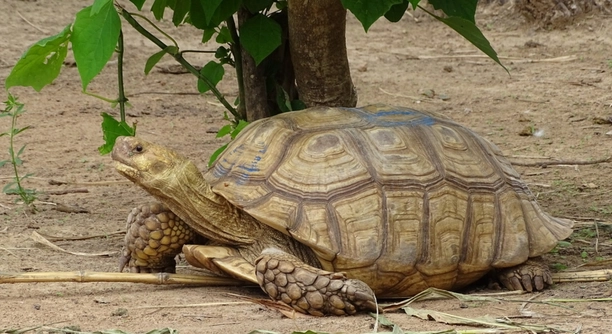
Sulcata tortoises are fascinating creatures, known for their large size and unique behaviors. If you’ve noticed your tortoise biting its shell, it’s a curious and often concerning activity that may have a few explanations.
Shell biting in Sulcata tortoises can be linked to various factors, including stress, discomfort, or natural behaviors. It might also indicate a need for better environmental enrichment or a health issue, such as a vitamin deficiency.
Understanding why this behavior occurs is essential for ensuring your tortoise’s well-being. We will explore potential causes and ways to address the issue effectively.
Possible Causes of Shell Biting in Sulcata Tortoises
Sulcata tortoises may bite their shells for several reasons, some of which are natural behaviors, while others point to underlying health or environmental issues. In the wild, tortoises are constantly interacting with their surroundings, chewing on various objects. This behavior can sometimes be a way for them to explore or stimulate their senses. However, if a tortoise in captivity starts biting its shell, it could be due to stress or discomfort. Environmental factors such as inadequate space, improper lighting, or an unbalanced diet may cause them to feel frustrated, leading to shell biting. It’s essential to assess your tortoise’s living conditions to ensure they are appropriate for their well-being.
Environmental enrichment can also play a key role. In the absence of proper stimulation, your tortoise may resort to this behavior as a way of releasing pent-up energy. Ensuring a well-rounded habitat with plenty of space, climbing structures, and hiding spots will reduce stress and keep your tortoise engaged.
Health Concerns and Shell Biting
If your tortoise’s shell biting persists, it’s time to consider health-related issues. Deficiencies in essential nutrients like calcium or vitamin D can lead to abnormal behaviors. Shell biting might also signal pain or discomfort, especially if the shell shows signs of damage or softening. This could indicate a more serious condition that requires veterinary attention. Regular checkups can ensure your tortoise stays in good health, addressing potential issues early on.
In addition to vitamin deficiencies, other health concerns, like respiratory infections or parasites, can affect a tortoise’s behavior. If a tortoise feels unwell, it may become more irritable and exhibit repetitive behaviors such as shell biting. Consulting with a reptile vet can help rule out any medical problems.
Addressing Shell Biting in Sulcata Tortoises
Correcting shell biting involves both environmental adjustments and possible health interventions. Start by providing a proper habitat with ample space, warmth, and UVB lighting. This will allow your tortoise to feel secure and comfortable. Ensure their diet includes high-quality hay, leafy greens, and adequate calcium. If you suspect a nutritional deficiency, consult a vet for advice on supplements. Regular exercise can also reduce stress, so offering opportunities to explore will help your tortoise stay active and engaged.
If the behavior continues despite these changes, it’s important to seek veterinary advice. A professional will assess your tortoise’s overall health and make recommendations based on their specific needs. Early intervention is crucial to prevent any long-term issues.
Stress and Anxiety in Sulcata Tortoises
Stress is a common cause of shell biting in Sulcata tortoises. Changes in their environment, such as loud noises or new animals, can cause them to feel uneasy. This unease can manifest as biting or chewing behaviors. If your tortoise seems agitated or constantly on alert, this may be an indicator of stress.
A tortoise may bite its shell to cope with the discomfort or frustration from its stressful surroundings. In the wild, tortoises are accustomed to a relatively calm and predictable environment, but captivity can sometimes make them feel threatened. Providing a quiet, stable space free of disturbances can significantly reduce this stress. Giving your tortoise a safe area where it feels secure can help curb this behavior.
If you notice your tortoise showing signs of stress, such as excessive pacing or hiding, it’s important to assess the environment. Reducing noise, limiting the presence of other pets, and ensuring it has hiding spots will make your tortoise feel safer and more relaxed.
Providing a Balanced Diet
A balanced diet is essential for the health and well-being of your tortoise. Nutrient deficiencies, particularly in calcium, vitamin D, and fiber, can lead to behaviors like shell biting. Ensure your tortoise’s diet includes plenty of fresh greens, hay, and a calcium supplement, if necessary.
Feeding your tortoise a variety of foods helps provide the nutrients it needs to thrive. Calcium is particularly important for their shell health, and a lack of it can lead to softening or deformation of the shell, prompting your tortoise to bite. You can provide natural calcium sources like cuttlebone or specially formulated tortoise food. By offering a diet rich in nutrients, you help prevent health-related causes of shell biting.
If you’re unsure whether your tortoise is getting the right nutrients, consulting a vet can provide helpful guidance. A professional can recommend specific foods or supplements to ensure your tortoise’s diet supports its overall health.
Habitat Enrichment for Sulcata Tortoises
Sulcata tortoises thrive in environments that mimic their natural habitat. A lack of stimulation or enrichment in their living area can lead to destructive behaviors like shell biting. Offering varied surfaces, climbing objects, and opportunities for foraging will encourage your tortoise to explore and interact with its surroundings.
Creating an enriched habitat involves more than just providing the basics. Include objects like rocks, branches, and hideaways to stimulate your tortoise’s natural instincts. These items can offer both physical and mental stimulation, helping your tortoise stay active and engaged. Also, ensure the space is large enough for your tortoise to roam freely, as confinement can lead to stress and repetitive behaviors like shell biting.
If your tortoise seems bored or restless, adding enrichment items can make a big difference. By offering these distractions, you help reduce the likelihood of unwanted behaviors and support your tortoise’s overall health and happiness.
Shell Damage and Biting Behavior
If your tortoise’s shell shows signs of damage or soft spots, it may bite its own shell in an attempt to address the discomfort. This could indicate an issue with shell health, such as fungal or bacterial infections, which should be addressed promptly.
Sometimes, shell damage can be a result of improper care or accidents within the tortoise’s environment. A tortoise with a compromised shell might try to bite it out of frustration or as a way of responding to the irritation. If the shell appears weak or damaged, it’s vital to consult a veterinarian to prevent further complications.
Preventing Shell Biting by Improving Habitat Conditions
Improving your tortoise’s habitat is essential for preventing behaviors like shell biting. Ensuring proper temperature, humidity, and lighting conditions is key to their overall health. Sulcata tortoises require UVB lighting to metabolize calcium effectively and maintain shell health. Too much heat or humidity can also cause stress.
Creating a habitat that mimics the natural environment of your tortoise is crucial. A spacious enclosure with access to natural sunlight or full-spectrum lighting can help reduce shell-biting behavior. Providing hiding places, ramps, and other natural structures can also enhance their sense of security and well-being.
Medical Issues Leading to Shell Biting
If your tortoise’s shell biting behavior persists despite changes to its environment, underlying medical issues could be at play. Infections, parasites, or internal health problems can cause discomfort that may result in this behavior. Regular veterinary checkups are essential for catching such problems early.
By addressing potential medical issues, you can prevent further distress and shell damage.
FAQ
Why is my Sulcata tortoise biting its shell?
Shell biting in Sulcata tortoises can stem from several causes. It may be a natural behavior where the tortoise is exploring its environment, but more often, it’s a sign of stress or discomfort. The tortoise might bite its shell due to an imbalanced diet, a lack of environmental stimulation, or health issues like vitamin deficiencies or shell damage. Identifying the cause requires observing your tortoise’s behavior and checking for signs of environmental stress, poor diet, or illness.
How can I tell if my tortoise is stressed?
Stress in tortoises can be indicated by certain behaviors, such as excessive pacing, hiding, or lack of appetite. If your tortoise is more aggressive than usual or seems constantly on edge, it could be stressed. Other signs include shell biting, restless behavior, or even weight loss. It’s crucial to observe whether changes in its surroundings or routine have occurred. Reducing environmental noise and ensuring the tortoise has a quiet, safe space can help.
Could my tortoise’s shell biting be a sign of a vitamin deficiency?
Yes, a vitamin deficiency, particularly calcium or vitamin D3, can contribute to shell biting. These nutrients are vital for shell health, and a lack of them may cause discomfort, leading the tortoise to bite its shell. If you notice soft or deformed shell areas, it’s essential to adjust your tortoise’s diet to include the right balance of leafy greens, high-fiber foods, and calcium supplements. A vet can also help diagnose specific deficiencies.
What type of diet should my Sulcata tortoise have to avoid shell biting?
A proper diet is crucial in preventing shell biting. Sulcata tortoises need a high-fiber, calcium-rich diet, primarily consisting of hay and leafy greens. Offer dandelion greens, collard greens, and other tortoise-safe plants. Ensure they also have access to clean water at all times. Occasionally, you can provide calcium-rich foods like cuttlebone or special tortoise supplements to maintain healthy shell growth. Avoid feeding them too many fruits, as excess sugar can cause digestive problems.
How can I improve my tortoise’s habitat to stop shell biting?
Improving your tortoise’s habitat is essential to reducing stress and preventing shell biting. Provide ample space for them to roam and explore, along with natural features like rocks, hides, and climbing structures. Ensure the enclosure has a proper temperature gradient and UVB lighting, as these factors are important for overall health. A lack of enrichment, such as hiding spots or climbing opportunities, can lead to boredom and stress, causing your tortoise to resort to shell biting.
Could shell biting be a sign of a more serious medical problem?
Yes, if your tortoise is persistently biting its shell, it may indicate an underlying health issue, such as a fungal or bacterial infection, parasites, or pain from a previous injury. If the shell appears soft, damaged, or discolored, it’s vital to have a veterinarian check your tortoise. Delaying treatment can result in long-term issues with shell health or overall wellness.
How can I tell if my tortoise has an infection?
Signs of an infection in tortoises can include swelling, discharge, changes in behavior (like lethargy), or visible wounds on the shell or body. If your tortoise has been biting its shell more than usual and there is any visible damage or unusual changes to its appearance, it’s time for a veterinary checkup. Infections, especially in the shell, can be severe if untreated, and prompt medical attention is necessary.
Is it normal for my tortoise to bite its shell occasionally?
While occasional shell biting can be normal, especially in the case of exploration or boredom, consistent or aggressive biting could point to an issue. If the behavior is frequent or seems linked to health problems like shell damage, a poor diet, or stress, it’s essential to take action to address the cause. Regularly monitor your tortoise’s behavior to ensure it isn’t a sign of something more serious.
Should I be concerned if my tortoise is biting its shell and there are no signs of health issues?
If your tortoise is biting its shell but shows no signs of illness, shell damage, or stress, it might be due to a natural, exploratory behavior. However, if the behavior becomes more frequent or aggressive, it’s worth investigating its environment and diet to rule out any underlying issues. Even if no immediate health concerns are present, the behavior could indicate boredom or a need for more stimulation.
How do I prevent shell biting from happening again in the future?
To prevent shell biting, focus on maintaining a healthy environment, diet, and regular veterinary care. Offer a spacious, enriching habitat with plenty of hiding spots, climbing structures, and safe areas to roam. Ensure your tortoise has a diet rich in calcium and fiber to support shell health. If you address potential stressors and provide ample stimulation, your tortoise will likely stop engaging in shell biting.
Final Thoughts
Understanding why your Sulcata tortoise might be biting its shell is crucial for providing proper care. Shell biting, while sometimes a natural behavior, can often indicate underlying issues that need attention. Whether it’s related to stress, diet, or potential health problems, identifying the cause can help you take the necessary steps to correct it. Keeping a close eye on your tortoise’s behavior and environment is essential in preventing this behavior from becoming a persistent issue.
If your tortoise is consistently biting its shell, it’s important to assess the factors that may be contributing to the behavior. Start by reviewing the habitat conditions, ensuring that the temperature, humidity, and lighting are optimal for your tortoise’s health. Make sure the enclosure is spacious enough and offers enough enrichment to prevent boredom. Additionally, a proper diet, rich in fiber and calcium, is key to maintaining shell health and preventing deficiencies that may lead to shell-related issues. If you suspect there may be an underlying health concern, seeking veterinary care is always a good idea.
By addressing these factors, you can improve your tortoise’s overall well-being and reduce the likelihood of shell biting. It’s essential to remain proactive in maintaining a healthy environment for your Sulcata tortoise. With proper care, your tortoise can live a long, healthy life without the need for excessive shell biting. Taking the time to understand and address the root causes of this behavior ensures that your tortoise remains happy and comfortable. Regular check-ups and observation of your tortoise’s behavior can help catch any potential issues early and prevent them from becoming serious problems.

Hello,
If you enjoy the content that we create, please consider saying a "Thank You!" by leaving a tip.
Every little bit helps us continue crafting quality advice that supports the health, happiness, and well-being of pets around the world, for pets of all shapes, sizes, and species.
We really appreciate the kindness and support that you show us!